How to Choose the Perfect Wig: A Complete Guide to Finding Your Ideal Fit

Choosing the right wig doesn’t have to feel overwhelming. With a few key considerations, the process becomes much more simple and confident. Wattle & Lace (wattlelace) is dedicated to helping every customer find the perfect wig that suits their individual needs. Understanding the fundamentals—such as wig cap construction, hair type, cap size, length, style, and wearing method—plays an essential role in achieving a natural look, lasting comfort, and easier daily maintenance.

Whether you are experiencing hair loss and need a long-term solution, or simply exploring wigs for fashion and style purposes, evaluating your face shape, lifestyle, and intended use will help you make a more informed decision. With the right approach, you can find a wig from wattlelace that looks natural, feels comfortable, and perfectly matches your personal style.

m 1 e1783565687503

Craftsmanship: The Foundation of Natural Appearance and Wearing Comfort

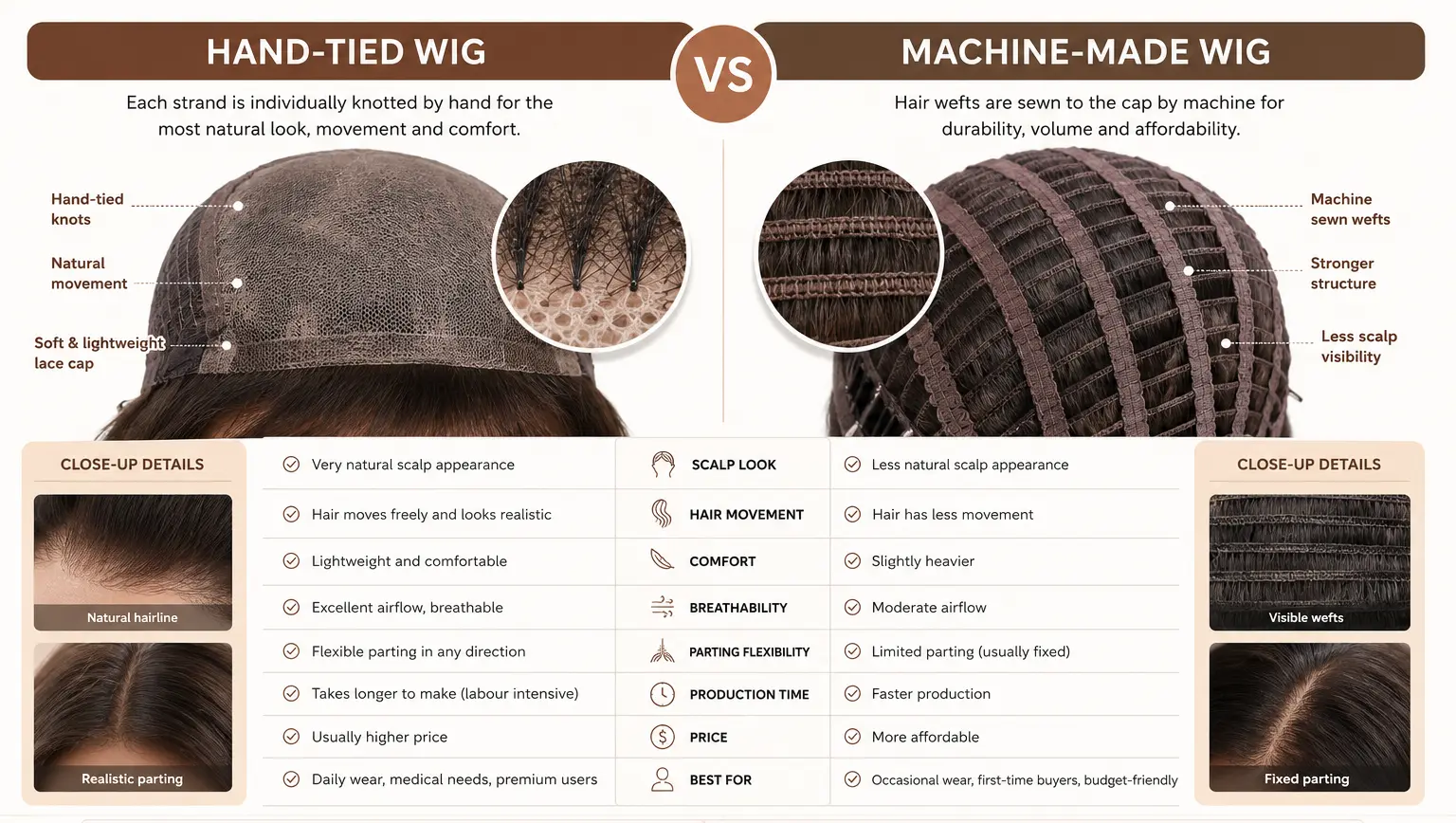
Hand-Tied Construction—Hand-tied wigs are made using a meticulous strand-by-strand knotting technique, where each hair is individually tied into a soft, breathable cap. This method allows the hair to fall and move in a way that closely mimics natural hair growth, creating a highly realistic appearance.Because it reduces pressure on the scalp, it is especially suitable for long-term wear or for individuals with sensitive scalps.

Machine-Made Construction—Machine-made wigs are created by sewing hair wefts onto a cap in rows using machines. This makes them more affordable and durable, with faster production.However, because the structure is more uniform, they offer less natural parting and slightly lower breathability compared to hand-tied wigs, and may show a subtle weft pattern in certain light or angles.

Choosing a Wig Colour That Actually Looks Natural on You

Hair Type: A Key Factor Affecting Realism and Longevity

Human Hair Wigs — Considered the most natural option, human hair wigs can be washed, dyed, and heat-styled just like real hair. Depending on the origin, the texture may vary—for example, Asian hair tends to be slightly thicker, while European hair is typically softer and finer. With proper care, human hair wigs can last for years, making them a long-term investment.

Synthetic Fiber Wigs — More practical and convenient, synthetic wigs offer style consistency and are less prone to deformation. They are lightweight and more affordable, making them ideal for daily wear or short-term use. However, styling flexibility is more limited, and over time they may develop changes in shine or slight wear. Even heat-resistant versions allow some styling, but overall they are less versatile than human hair wigs.

how to choose the right wig cap size

Cap Size: A Key Factor for Stability and Comfort

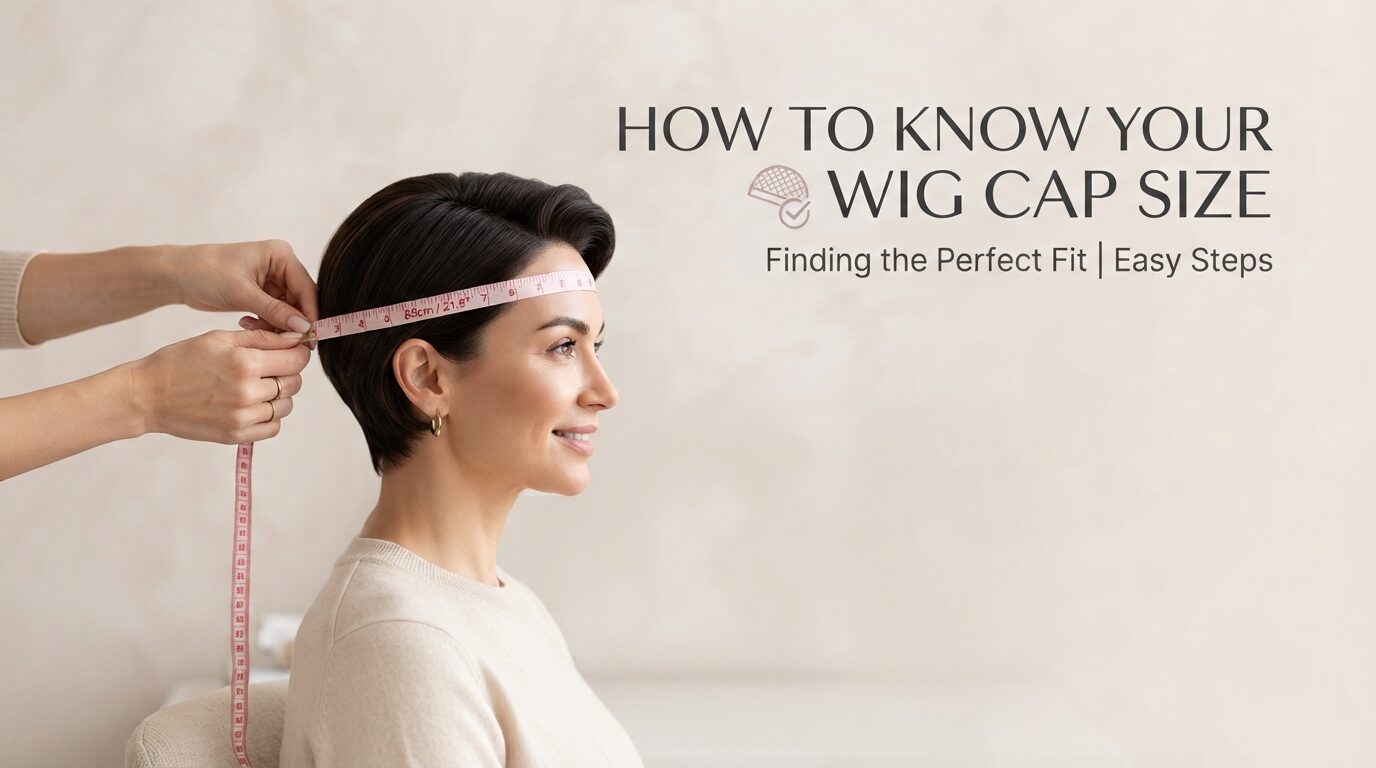
The stability and comfort of a wig largely depend on whether the cap size fits correctly. The proper way to measure is to start from the natural hairline, go above the ears, and wrap around the back of the head to complete a full circumference measurement, then match it with standard sizing.

When the size is correct, the wig fits the head more securely, stays in place, and reduces pressure for a more natural wearing experience. However, if the cap is too large, the wig may shift or slide; if it is too small, it can feel tight and uncomfortable. Therefore, choosing the right cap size is essential for everyday comfort and wearability.

img2 dj

Length & Style: Defining Overall Look

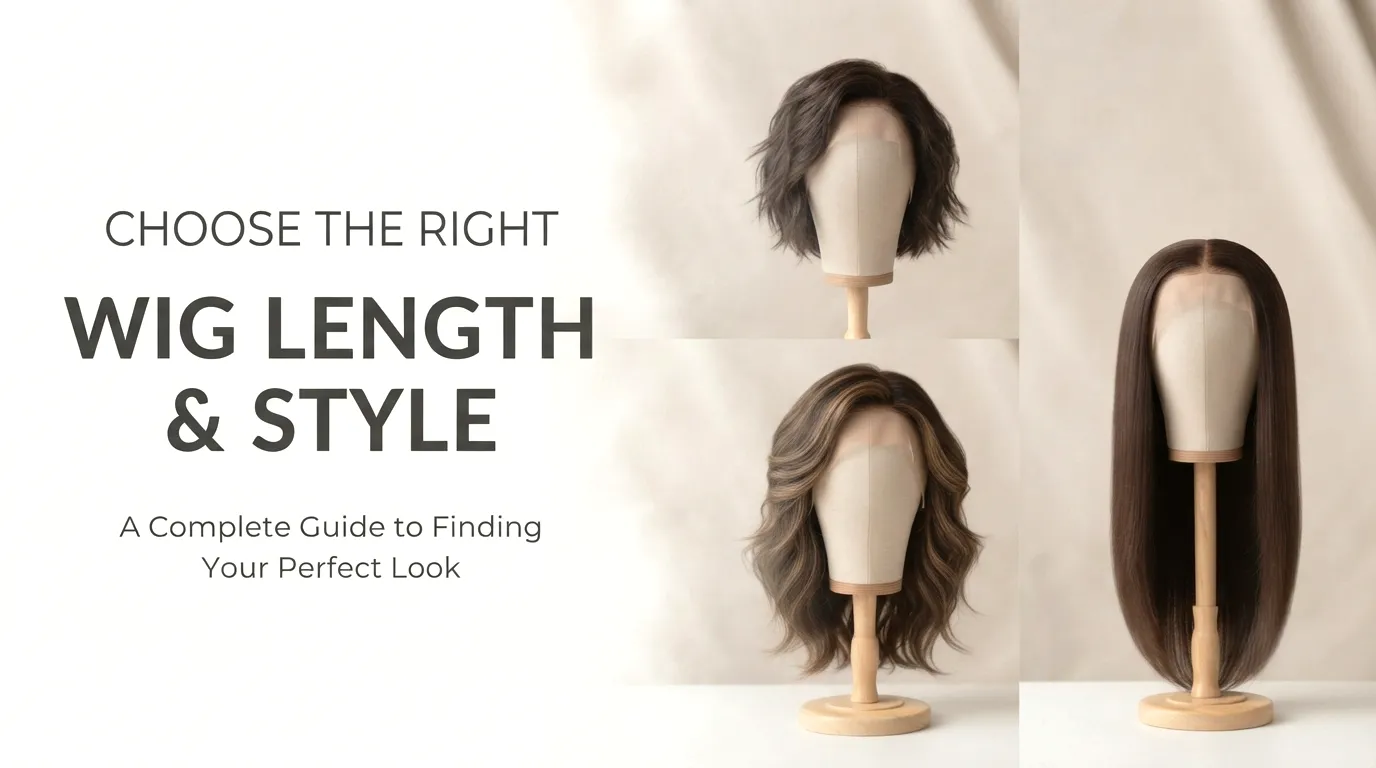
Hair length strongly influences the overall style. Short wigs are lightweight, easy to maintain, and ideal for everyday wear. Medium-length wigs offer the most versatility for both straight and curled styling. Long wigs create a more striking, feminine look but require extra care to keep them smooth and neat.

Style details also matter. Layers add natural movement, bangs help frame the face, and waves or curls create a softer appearance. Natural colors blend easily, while highlights and root-shadow effects enhance realism and make the wig look more natural.

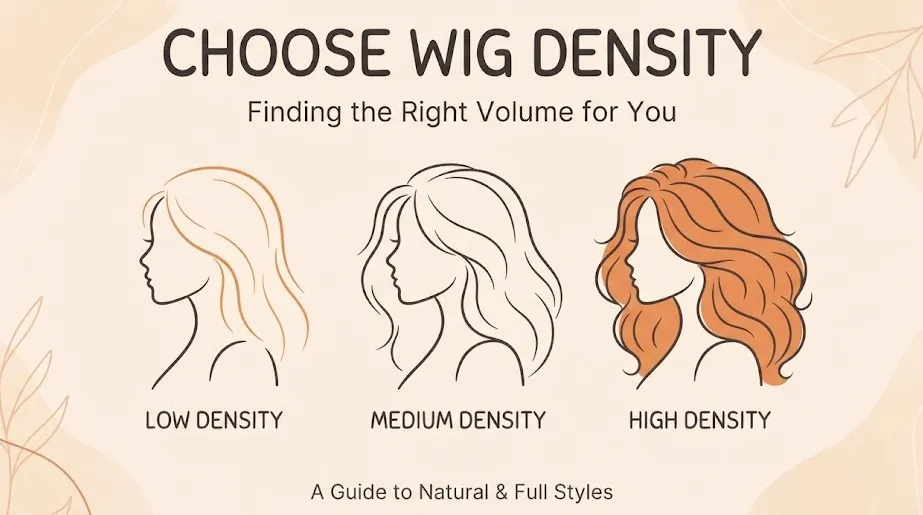
Choose Wig Density

Wig Density: A Key Factor in Realism and Visual Effect

Wig density refers to the amount of hair per unit area, and it directly affects thickness and overall appearance.

Lower density (around 100%–120%) looks lighter and more natural, closely resembling real hair growth, making it ideal for everyday wear or a low-profile look. Standard density (120%–130%) is the most common choice, offering a balanced look between natural appearance and volume, suitable for most users.

Higher density (150%+) creates a fuller, more voluminous look with stronger styling impact, making it ideal for fashion or stage use. However, it also increases weight and slightly reduces breathability, making it less suitable for long-term daily wear.