If you're new to wearing wigs, you don't need to learn every styling
technique at once. Start with the basics: a suitable fit, a style that
works for your lifestyle, a little practice and a simple care routine.Our team interviewed our customers to gather information about the questions and concerns they had when using wigs for the first time, and then wrote this guide.
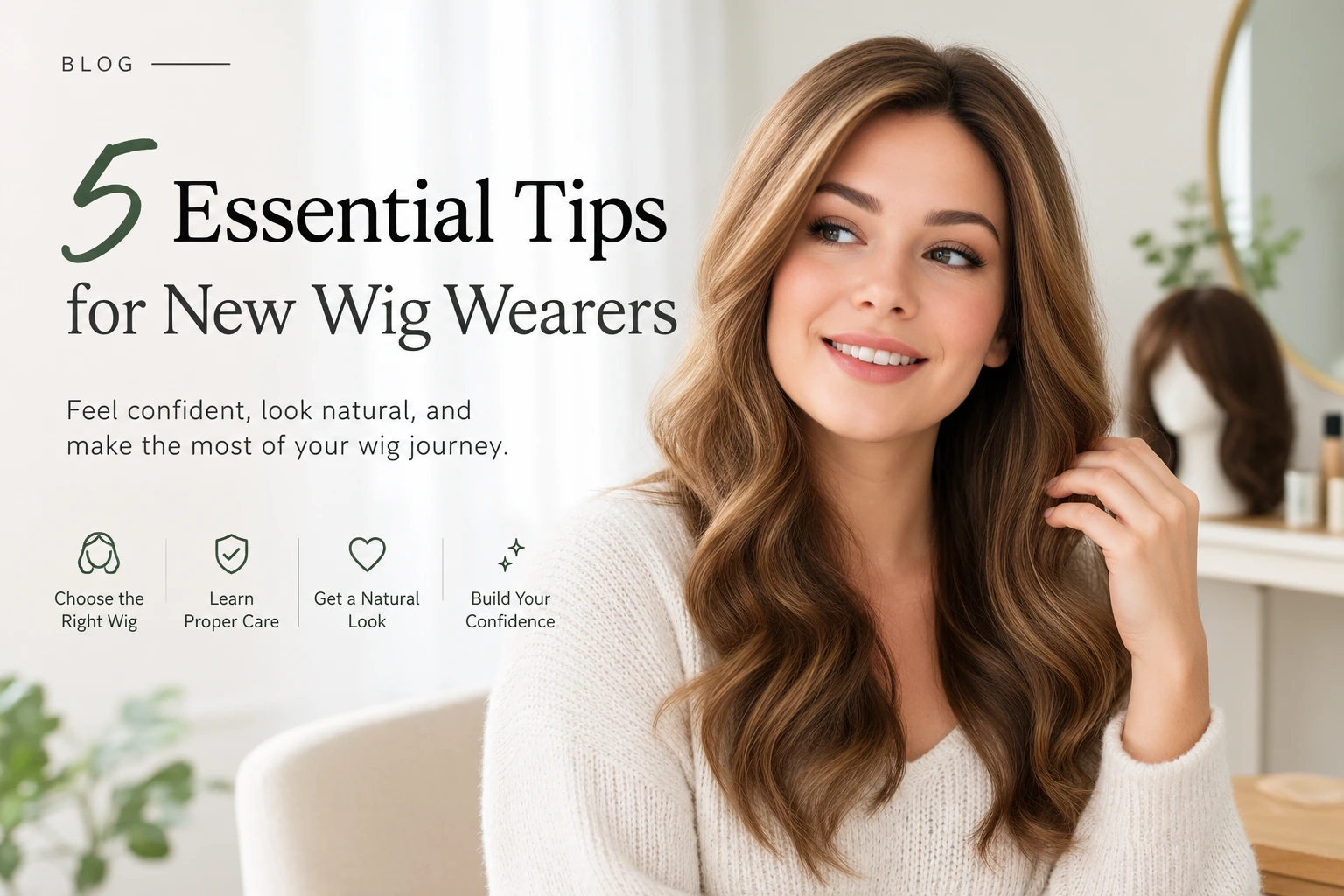
These five tips for new wig wearers will help you make a more informed
choice and feel more prepared for your first wear.
Your first wig should suit your comfort needs, personal style and
everyday routine.
1 Get the Right Wig Fit Before Choosing a Style
One of the most useful tips for new wig wearers is to measure your head
before you buy a wig. A style may look beautiful online, but if the cap
is too tight or too loose, you may struggle to feel comfortable wearing
it for extended periods.
Use a soft measuring tape to measure your head circumference, following
the sizing instructions supplied by the wig maker. Some brands also
provide measurements for the front-to-back length and ear-to-ear width.
Compare your measurements with the specific product's size guide rather
than assuming every brand uses identical sizing.
Before making a purchase, check the following:
Whether the wig is available in your head size.
Whether the cap includes adjustable straps or other fitting features.
Whether the cap construction suits your comfort preferences.
Whether the wig stays in place without uncomfortable pressure.
Once your wig arrives, adjust it gently and check how it feels while
sitting, standing and moving your head. It should feel secure, not
painfully tight. If you experience persistent pressure, irritation or
discomfort, remove it and reassess the fit.
Beginner tip: Don't rely on adjustable straps to
compensate for a cap that is significantly the wrong size. Start
with your measurements and use the adjustment features for a
comfortable fit.Read How To Measure Your Head For A Wig
2 Choose a Wig That Matches Your Lifestyle
When you first start looking for wigs in Australia, it is easy to focus
on colour, length and price. These matter, but your daily routine and
styling preferences are just as important.
Think about when you plan to wear your wig. Will it be an everyday
option, something for special occasions or a way to explore a different
look? Consider how much time you want to spend styling it and whether
you prefer a straight, wavy, curly or short hairstyle.
Should beginners choose human hair or synthetic hair?
Neither option is automatically right for everyone. The best choice
depends on your budget, preferred appearance and willingness to care
for the wig.Read Human Hair vs Synthetic Wigs
Feature
Human Hair Wigs
Synthetic Wigs
Appearance and movement
Real hair texture and movement, with variation between products.
Quality varies; modern fibres can look natural.
Styling
Can usually be restyled with suitable techniques and controlled heat.
Many retain their original style; heat-friendly options have specific limits.
Maintenance
Needs gentle washing, detangling and styling care.
Often requires less restyling, depending on the fibre and design.
What to consider
Purchase price, hair quality, construction and ongoing care.
Fibre quality, heat restrictions, style and care instructions.
If you prefer the movement and styling flexibility of real hair, explore
human hair wigs from Wattle & Lace.
Compare the cap construction, length, density, colour and care
requirements of individual products before deciding.Read How to choose good wigs
What does Remy human hair mean?
Remy generally describes human hair collected and arranged so that the
cuticles run in the same direction. This can help reduce friction
between strands, although the final result also depends on hair
condition, processing, construction and ongoing care. The term alone
does not guarantee a particular lifespan or overall quality.
If you're researching Remy human hair wigs in Australia,
look for clear product information about hair type, cap construction,
density, length and maintenance. These details give you a more useful
basis for comparison than a label alone.
You can also browse
European human hair wigs
if you're interested in this particular hair category. Remember that
sourcing, processing and wig construction all contribute to the
finished product.
3 Learn the Basics of a Natural-Looking Fit
A natural-looking wig is not just about the hair itself. Placement,
density, the parting and the way the hairline sits against your face
all contribute to the overall result.Read How to choose good wigs
Pay attention to the hairline and parting
Lace-front wigs can create the appearance of hair growing from the
front hairline when the lace, fit and placement suit the wearer.
However, lace types differ, and no single construction will look
identical on every person.
Before wearing your wig outside, practise positioning it in front of
a mirror. Check the front edge, temples and parting from several
angles. Avoid pulling the wig too far forward or too far back.
Choose a density and colour that feel right
Very full hair can be beautiful, but if you're used to finer hair,
a lower-density style may feel more familiar. Likewise, a colour
close to your usual shade can be a comfortable starting point,
while subtle highlights or darker roots can add dimension.
If you want to personalise the cut, consider consulting a hairdresser
who has experience working with wigs. Avoid trimming the lace or
cutting substantial amounts of hair until you're confident about
the construction and the result you want.
Consider the overall hairstyle, colour and density rather than focusing on one feature alone.
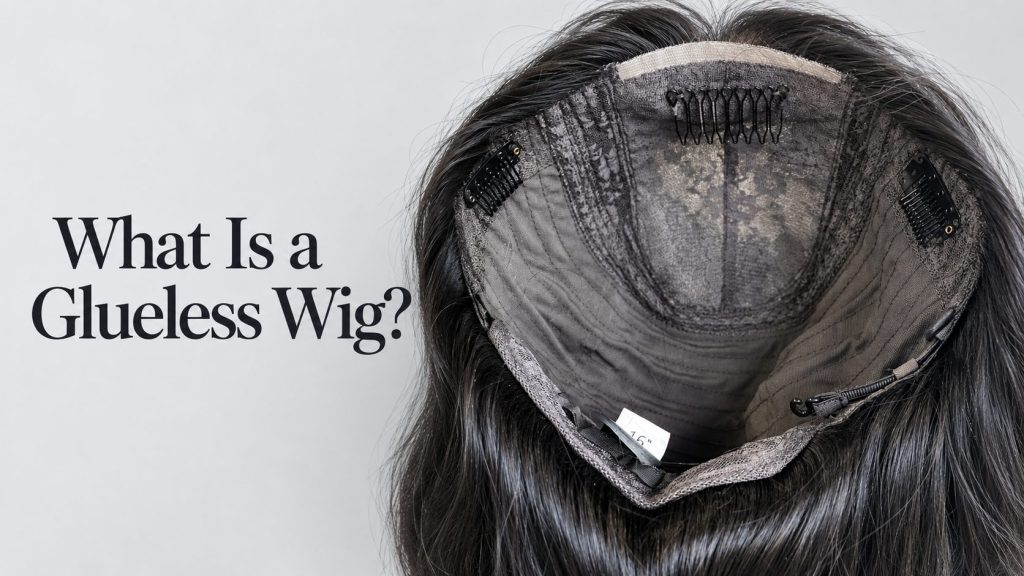
Do you need glue to wear a wig?
Not necessarily. Depending on its design and your needs, a wig may
be worn using its adjustable straps, clips or a suitable wig grip.
Some lace-front styles can be secured with wig adhesive, but this
is not a requirement for every wig.Read What Is a Glueless Wig?
If you have a sensitive scalp or a medical condition affecting your
skin, take extra care with adhesives and accessories. Follow the
product instructions, avoid applying products to irritated skin and
seek professional advice if you are unsure what is suitable.
4 Build a Simple Human Hair Wig Care Routine
Human hair wigs need care, even though the hair is no longer growing
from a scalp. Without a natural supply of oils from your scalp, the
strands can become dry, tangled or difficult to manage. Gentle handling
is particularly important for longer hair and textured styles.
Detangle gently
Work through tangles from the ends upwards, supporting the hair as
you go. Use a suitable brush or wide-tooth comb, and avoid pulling
hard at knots. For curly or wavy wigs, follow the manufacturer's
instructions to preserve the intended texture.
Wash only when needed
How often you wash a wig depends on how frequently you wear it,
the products you use and the care guidance supplied with it.
Use suitable shampoo and conditioner, handle the cap carefully
and avoid rubbing or twisting the hair aggressively.
Use heat carefully
Human hair can generally be styled with heat, but that does not mean
unlimited heat is safe. Start with a lower temperature, use a suitable
heat protectant and check the wig's care instructions. Excessive heat
and repeated styling can still cause damage.
Store your wig properly
After wearing it, gently detangle your wig and keep it in a clean,
dry place away from direct sunlight and unnecessary friction. A
suitable wig stand can help preserve its shape, while a hairnet
or storage bag can protect it when not in use.
These basic habits can help keep your wig looking its best, but no
routine can guarantee a specific lifespan. Hair quality, construction,
frequency of wear and styling practices all make a difference.
5 Practise at Home Before Your First Outing
Your first time wearing a wig may feel unfamiliar. You might find
yourself checking the mirror repeatedly or wondering whether the
hairline looks right. That is a common concern when trying something
new, and you don't have to rush the process.
Give yourself a little time to learn how the wig fits and moves.
Practise putting it on, adjusting the straps and arranging the hair
until you feel comfortable with the result.
Before wearing it out, try this simple routine:
Put the wig on in a well-lit room and check the placement.
Make small adjustments to the cap and parting.
Move your head gently to check that the wig feels secure.
Walk around the house for a short period and notice any discomfort.
Make a note of anything you want to adjust before your next wear.
When you're ready, start with an outing that feels manageable.
You can wear your wig for a short walk, a quick errand or a casual
catch-up with someone you trust. Build up gradually at your own pace.
You also don't owe anyone an explanation about your hair. Some women
wear wigs for hair loss, some for convenience and others because they
enjoy changing their style. Choose what feels right for you.
Give yourself time to get comfortable with your new look before wearing it out.
Before You Buy Your First Wig: A Quick Checklist
If you're ready to buy a wig online, take a moment to check the
practical details before placing your order. This can help you
narrow down your choices and avoid selecting a style based on
appearance alone.
I've measured my head and checked the product's size guide.
I've chosen a hair length, colour and texture I can see myself wearing.
I understand the difference between human hair and synthetic fibres.
I've checked the cap construction and how the wig is secured.
I've reviewed the product description and care instructions.
I've checked the total price, shipping information and returns policy.
I know where to ask questions if I need help choosing.
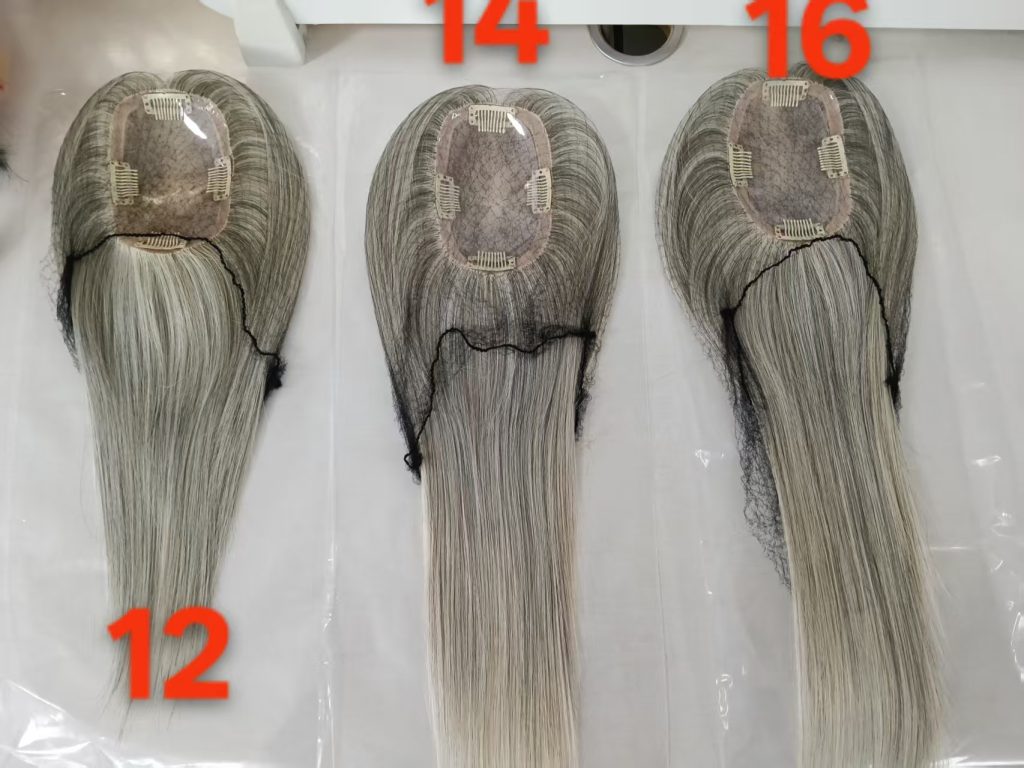
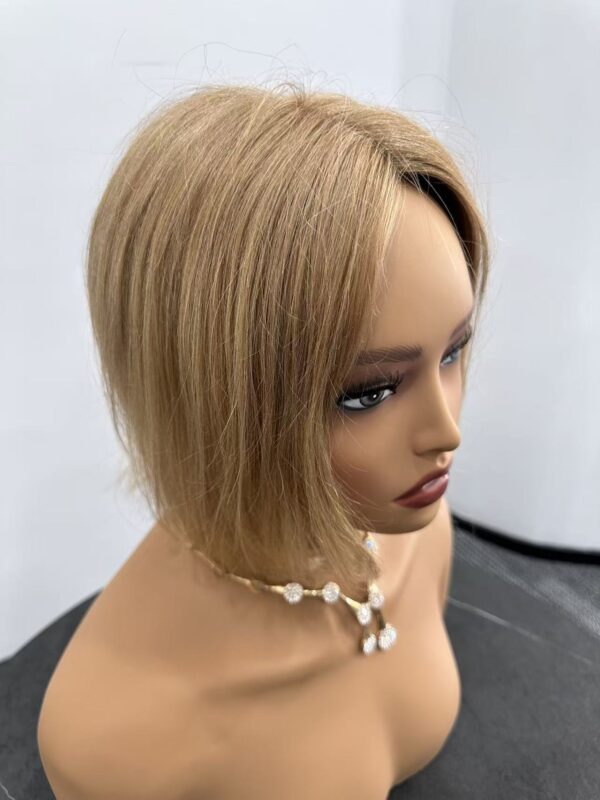
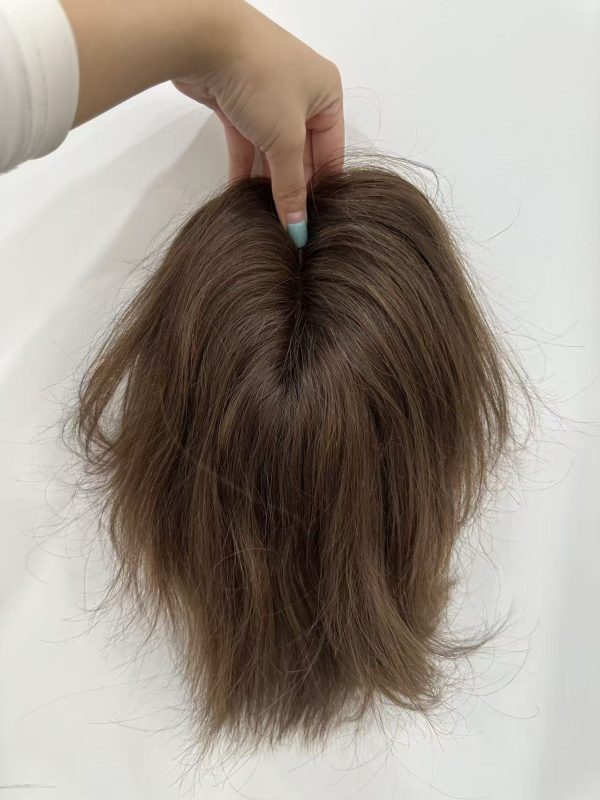
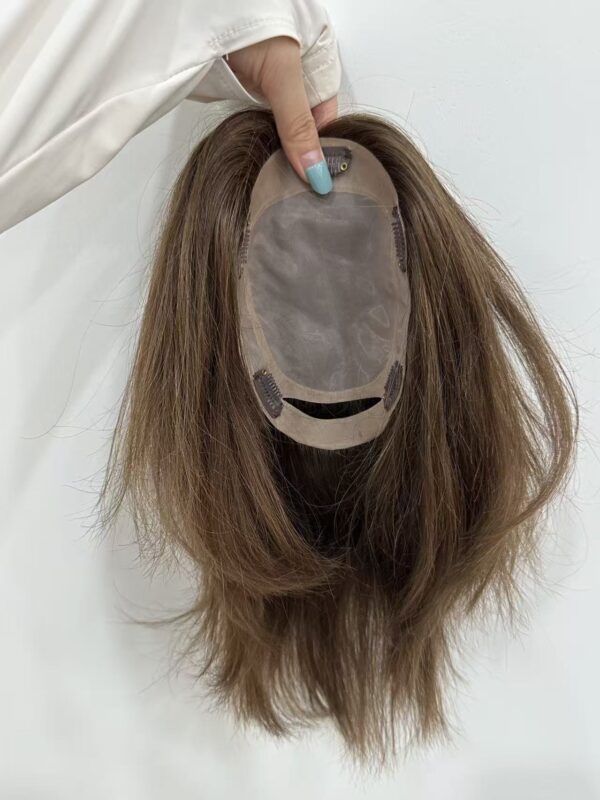
Should You Choose a Wig or a Hair Topper?
A full wig and a hair topper serve different purposes. A wig covers
the head, while a topper is designed to add coverage or volume to
a particular area and blend with your existing hair.
If you have thinning around the crown or parting and still have enough
hair to support and blend a topper, it may be worth exploring that
option. If you need more extensive coverage, a full wig may be more
suitable. The right choice depends on your pattern of hair loss,
remaining hair, comfort needs and preferred appearance.
If you're unsure which option is right for you, a product consultation
can help you understand the differences before you buy.
Frequently Asked Questions About Wearing Wigs for the First Time
What is the best type of wig for a beginner?
The best first wig is one that fits comfortably, suits your preferred
hairstyle and matches the amount of care you're prepared to provide.
Human hair offers styling flexibility but generally needs more
maintenance. Synthetic wigs can be easier to maintain, depending
on their construction and fibre.
How do I make my first wig look natural?
Start with a suitable cap size and correct placement. Consider the
hairline, parting, colour and density, and practise adjusting the
wig at home. A well-chosen style and careful positioning can make
a noticeable difference.
Are Remy human hair wigs worth buying?
They may suit you if you value real-hair texture and styling
flexibility. Remy generally refers to hair with cuticles aligned
in the same direction, but overall quality also depends on
processing, construction and care. Compare the full product
specifications rather than relying on the term alone.
Can I wear a wig every day?
Many people wear wigs regularly, provided the fit, construction
and care routine suit their needs. Keep your scalp clean and
comfortable, avoid excessive tension and remove the wig if it
causes irritation or pain. If you have a scalp condition, ask
a qualified health professional for individual advice.
How often should I wash a human hair wig?
There is no single washing schedule that suits every wig.
Frequency depends on wear, styling products and the manufacturer's
guidance. Wash when needed, use suitable products and handle the
hair gently to minimise tangling and wear.
Should I buy a wig or a hair topper?
A wig provides coverage over the head, while a topper adds coverage
or volume to a specific area and blends with existing hair. Your
hair loss pattern, the amount of hair remaining and your comfort
preferences can help determine which option is appropriate.Read Wig or Hair Topper
What should I check when buying a wig in Australia?
Check the cap size, materials, hair type, product measurements,
care instructions, shipping details and returns policy. If you're
shopping online, make sure the product information answers your
questions before placing an order.
Find a Wig That Feels Right for You
Choosing your first wig doesn't have to mean figuring everything
out alone. Start by comparing the styles, cap constructions and
hair types that suit your needs, then take the time to understand
how to care for your chosen piece.
Wattle & Lace offers wig and topper options for women exploring
natural-looking styles and additional hair coverage. Browse the
collections or ask our team for help comparing suitable options.
Take your time, ask questions and choose a style that works for you.
About Lisa
15 years of experience in the wig industry
Extensive experience in human hair wigs, wig construction, fit, hair quality and styling. Dedicated to helping women find natural-looking hair that feels comfortable and truly suits them.
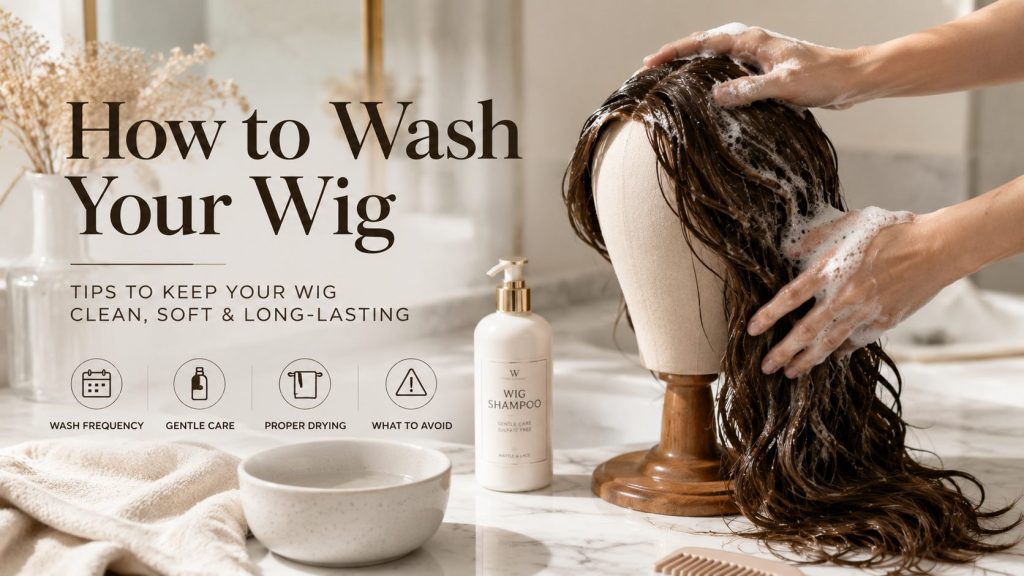
HOW TO WASH YOUR HUMAN HAIR WIG
Keep your wig soft, smooth and beautiful with the right care routine.A gentle step-by-step guide to cleaning and caring for vour human hair wig.
WHAT YOU’LL NEED
...
Discover how to choose the right hair topper for thinning hair, from base size and secure attachment to natural hairlines, colour matching and everyday care.
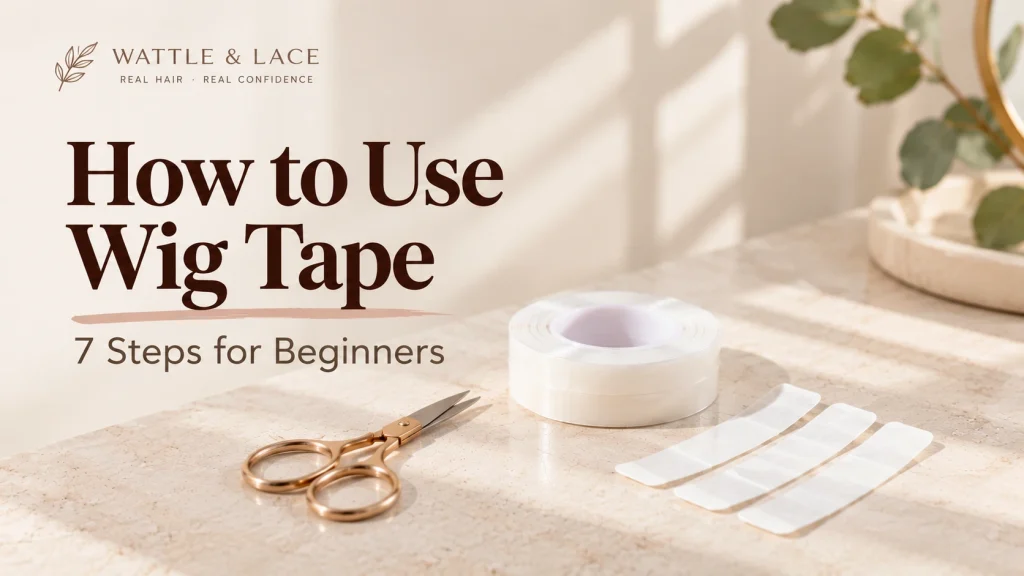
Using wig tape for the first time can feel fiddly. The strips are small, the lace needs to sit in exactly the right place, and once the tape touches your skin, repositioning can be difficult.
...
European Remy human hair is human hair described as originating from Europe, with the strands arranged so their cuticles face the same direction. The term combines two distinct descriptions: European refers to the stated...
What Is a Human Hair Wig?
Image source:European Human Hair Wig-Teagan wig
A human hair wig is made from real human hair, giving it the natural movement, texture and light reflection...
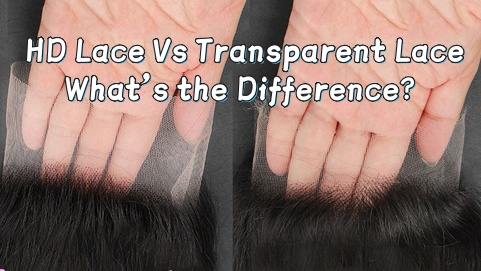
If you're shopping for a womens wig, you've probably seen HD lace and transparent lace listed as two different options. They can look almost identical in a product photo, which makes the choice a little confusing.
...
If you’ve been scrolling through dozens of tabs trying to figure out where to buy a decent piece of alternative hair, I get it. It’s overwhelming. Between dodgy overseas websites, glossy social media...
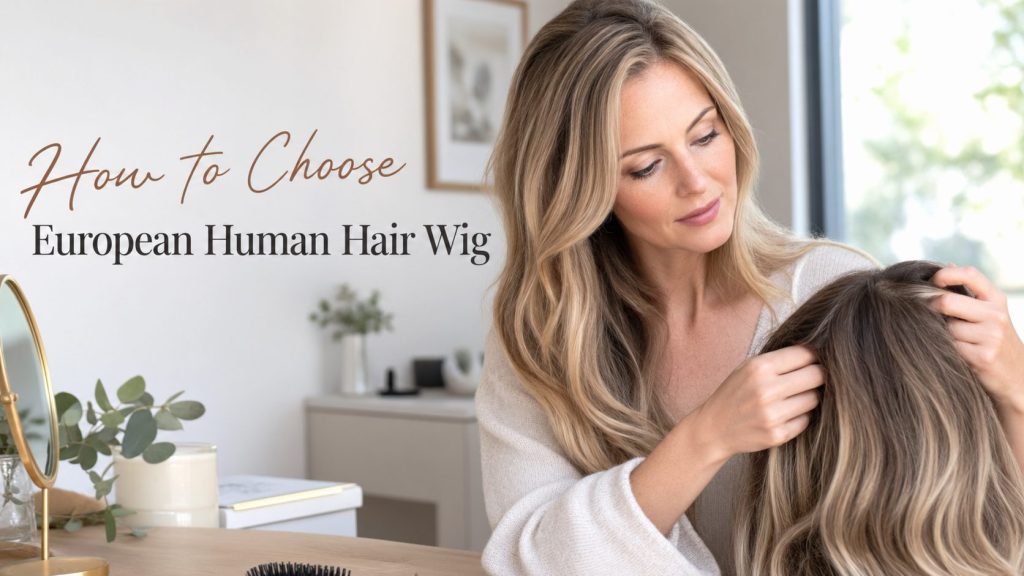
A beautiful wig should never look like you’re wearing a wig. The right colour, texture, density and fit can make all the difference to how natural and confident you feel. If you’re wondering how to choose a European huma...
WIG GUIDE
Choosing between a glueless wig and an lace glue for wigs comes down to more than how the wig stays on. Comfort, security, hairline appearance and your everyday routine all play a part.
If you prefer a wi...
If you are new to wigs, you may have come across the term glueless wig and wondered how a wig can stay in place without glue. The answer is simpler than it sounds: a glueless wig is designed around the fit and constructi...
European human hair wigs are among the more premium options available in Australia, but there is no single price that applies to every wig. Length, hair quality, density, lace construction, cap design, colour and customi...