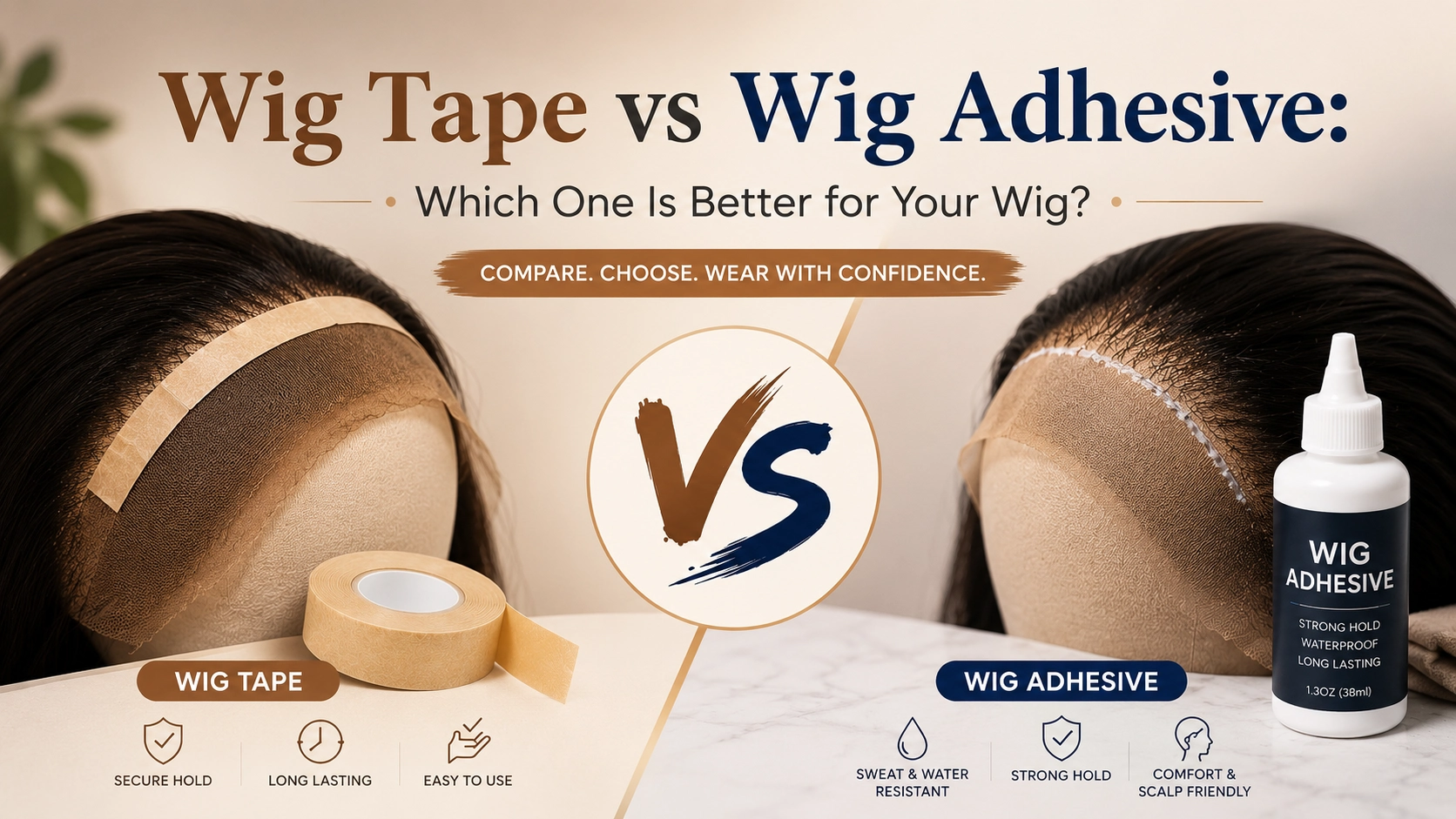
Both wig tape and wig adhesive can create a secure, natural-looking
hold—but they offer very different wearing experiences. This guide
explains how they compare, when each option works best, and whether
you actually need either one for everyday wear.
Wig tape is usually the easier option for daily wear,
beginners and people who remove their wig regularly.
Wig adhesive generally provides a stronger,
longer-lasting hold for extended wear, active days or a very secure
lace-front finish.
A secure wig should help you feel confident—not make your daily
routine more complicated.
When you begin wearing a lace-front or human hair wig, it is natural
to wonder how to keep it securely in place. Two of the most common
attachment options are wig tape and
wig adhesive, which is also frequently called wig
glue.
Both methods can help hold lace close to the skin and reduce lifting
around the hairline. However, they differ in application, comfort,
removal, hold time and suitability for sensitive skin.
The right choice depends on how often you remove your wig, how active
you are, how much hold you need and whether your wig already includes
secure cap features such as adjustable straps, elastic support or a
silicone grip.
Attachment Option One
What Is Wig Tape?
Wig tape is a double-sided adhesive strip designed to attach a wig
or lace hairline to clean, dry skin. It is available in straight
strips, curved pieces, rolls and pre-cut shapes for different
areas of the hairline.
Once the backing is removed, one side adheres to the skin and the
other attaches to the underside of the lace or wig base. Most
people find tape more straightforward and less messy than liquid
adhesive.
Quick and relatively easy to apply
Convenient for wigs that are removed regularly
Usually easier to clean from the skin
Available in different strengths and wear times
Useful for securing selected areas rather than the entire hairline
Wig tape can help hold lace close to the skin around selected
areas of the hairline.
Best suited to: beginners, short-term wear, daily
wig removal, small areas of lifting and wearers who want a simpler
application process.
Liquid wig adhesive is usually applied in thin layers before the
lace is gently pressed into place.
Attachment Option Two
What Is Wig Adhesive?
Wig adhesive is a liquid bonding product formulated to secure a
wig, hair system or lace front to the skin. Depending on the
formula, it may be designed for one-day wear, several days or
extended wear.
It is normally applied in a thin, even layer around the hairline.
Some products require more than one layer, with each layer allowed
to become tacky or clear before the lace is pressed down.
Creates a strong and continuous bond
Can produce a very flat lace-front finish
Often better suited to extended wear
May perform better during exercise or humid conditions
Requires more careful application, removal and clean-up
Best suited to: extended wear, active lifestyles,
special occasions, stronger hairline security and experienced
wearers who are comfortable with adhesive removal.
Wig Tape vs Wig Adhesive: What Is the Difference?
Neither option is automatically better for everyone. Wig tape
prioritises convenience and easier removal, while wig adhesive
prioritises strength, coverage and longer wear.
Feature
Wig Tape
Wig Adhesive
Application
Pre-cut strips are positioned on clean skin before the wig is
pressed into place.
Liquid product is applied in thin layers and allowed to become
tacky before attaching the lace.
Ease of use
Usually easier for beginners and less likely to create a
messy application.
Requires more control, drying time and practice to achieve an
even result.
Hold strength
Light to strong, depending on the type of tape and skin
preparation.
Usually offers a stronger, more continuous hold across the
hairline.
Typical wear
Often preferred for daily or short-term attachment, although
wear time varies by product.
Available for daily, multi-day and extended wear, depending on
the formula.
Removal
Generally faster and easier, but an appropriate remover may
still be required.
Usually requires a dedicated adhesive remover and more time
to dissolve residue safely.
Clean-up
Tape can often be rolled or lifted away after the bond has
been released.
Liquid residue may need to be carefully cleaned from both the
lace and skin.
Sweat and humidity
Performance varies. Oils, perspiration and humidity may cause
some tapes to loosen sooner.
Water-resistant formulas may provide better security during
active or humid conditions.
Sensitive skin
May be suitable when a skin-safe tape is used, but a patch
test is still important.
Formulas vary considerably. Sensitive-skin users should avoid
assuming that every adhesive is suitable.
Extended wear, greater hairline security, active days and
maximum hold.
Choose wig tape when
You Value Convenience
Tape is usually the more practical choice when you take your wig
off at night, only need extra support in selected areas, or are
still learning how to secure a lace-front wig.
Choose adhesive when
You Need Stronger Security
Adhesive may be more appropriate when you want a continuous bond,
plan to wear the wig for longer, or need added security during
exercise, events or humid weather.
Do You Really Need Wig Tape?
Not necessarily. A properly fitted wig may already feel secure
without tape or liquid adhesive.
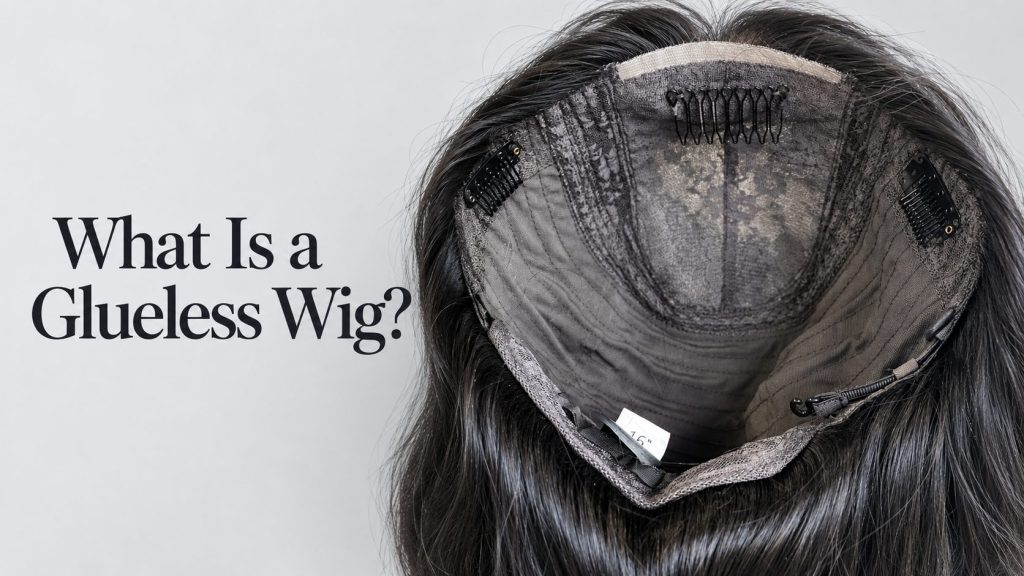
Many modern wigs include built-in attachment and support features.
Depending on the cap construction, these may include adjustable
straps, elastic bands, combs, clips or silicone grip areas.
When the cap fits your head correctly, these features may provide
enough stability for normal daily activities. In that situation,
wig tape is optional rather than essential.
Tape becomes useful when you want additional reassurance around
the hairline, ear tabs or nape, or when a particular area tends to
lift during wear.
The correct cap size and construction can reduce the need for
strong adhesive during everyday wear.
✓
You May Not Need Tape
Your wig fits closely and comfortably without shifting when you
move your head.
✓
You May Not Need Tape
The cap includes adjustable straps, a secure elastic band or
silicone grip support.
✓
You May Not Need Tape
You are wearing the wig for relaxed daily activities and remove
it every evening.
+
Tape May Be Helpful
The lace occasionally lifts around the temples or another small
section of the hairline.
+
Tape May Be Helpful
You want additional confidence during a wedding, long day,
outdoor event or windy conditions.
+
Tape May Be Helpful
Your wig is secure overall, but you want targeted support without
applying liquid adhesive to the full hairline.
Important: If your wig feels significantly too
loose, tape should not be used to compensate for an incorrect cap
size. A correctly fitted wig is the foundation of comfortable,
secure wear.
Which One Should You Choose?
Your ideal attachment method depends more on your routine than on a
universal rule. Consider how long you plan to wear the wig, how
often you remove it and what conditions you expect during the day.
1
For Everyday Wear
Start without adhesive when your wig fits securely. Add a small
amount of wig tape only where extra support is needed.
2
For Beginners
Wig tape is usually easier to position, replace and remove while
you become familiar with your lace and hairline.
3
For Extended Wear
A suitable wig adhesive may provide a stronger and more continuous
bond when the wig will remain attached for several days.
4
For Exercise or Humidity
A water-resistant adhesive may offer more reliable security, but
the product must still be compatible with your skin and wig base.
5
For Sensitive Skin
Look for a skin-safe product, perform a patch test and use the
minimum amount required. Stop immediately if irritation develops.
6
For Special Occasions
Tape may be sufficient for a single event, while adhesive may be
preferable when maximum security and a very flat hairline are the
priorities.
Can You Use Wig Tape and Wig Adhesive Together?
Some experienced wig wearers and stylists combine the two methods. For
example, adhesive may be used along the central hairline while tape is
used near the sides or nape.
However, using both does not automatically create a better result. It
can increase residue, make removal more difficult and place additional
stress on delicate lace if too much product is applied.
A better rule: Use the least aggressive attachment
method that gives you the level of security you genuinely need.
How to Protect Your Skin, Hairline and Lace
Good preparation and gentle removal matter just as much as the
product you choose. Incorrect removal can stretch lace, loosen
knots, leave heavy residue or irritate the skin.
Start with clean, dry skin.
Remove oil, moisturiser and make-up from the attachment area so
the product can bond properly.
Perform a patch test.
Test a small amount of the tape or adhesive before applying it
across the full hairline.
Keep adhesive away from natural hair.
Apply the product to skin rather than directly onto your
natural hair or fragile edges.
Use thin, controlled amounts.
More adhesive does not always create a better hold. Excess
product can increase residue and clean-up.
Use the correct remover.
Choose a remover that is compatible with the attachment product
and with your wig's lace or base material.
Allow the bond to release.
Never pull the lace away while it is still strongly attached.
Give the remover time to dissolve the bond.
Clean the lace gently.
Avoid aggressive rubbing, scraping or stretching, especially
around a delicate lace front.
Careful preparation and removal help protect both the lace and the
skin around your hairline.
Never remove an attached wig by pulling it away from the
skin. Apply the appropriate remover, wait for the bond to
loosen and lift the lace gradually without force.
Common Mistakes to Avoid
Applying Adhesive Over Oils or Skincare
Oil creates a barrier between the skin and the attachment product.
This can lead to early lifting and may encourage the wearer to apply
more product than necessary.
Using Strong Adhesive When a Lighter Method Would Work
Extended-wear adhesive is not automatically the best choice for
someone who removes their wig every evening. A lighter attachment
method may be more comfortable and easier to maintain.
Placing Tape Directly on Natural Hair
Tape should generally be positioned on clean skin rather than across
natural hair. Attaching it to hair can make removal uncomfortable and
may contribute to pulling or breakage.
Removing the Wig Too Quickly
Pulling before the bond has dissolved can stretch the lace and place
unnecessary pressure on the hairline. Removal should always be slow
and controlled.
Ignoring Cap Fit
Tape and adhesive can support a secure fit, but they cannot correct a
cap that is fundamentally too large, too small or poorly adjusted.
The Final Verdict
Choose wig tape for simplicity. Choose wig adhesive for maximum hold.
Choose neither when your wig already fits securely without them.
Wig tape is generally the more approachable option for beginners,
daily wear and targeted support. It is easier to apply, less messy and
usually quicker to remove.
Wig adhesive is more suitable when you need a stronger, continuous
bond, particularly for extended wear, active days or a highly secure
lace-front finish.
Most importantly, do not assume that every wig needs glue or tape. A
well-constructed, properly fitted human hair wig may remain secure
through ordinary daily activities using its built-in cap features
alone.
Frequently Asked Questions
These answers cover the most common questions first-time wig wearers
have about wig tape, wig adhesive and glueless wear.
Is wig tape better than wig adhesive?
Wig tape is often better for beginners, daily removal and
straightforward application. Wig adhesive is often better for
stronger or longer-lasting attachment. The best choice depends
on your routine and the level of security you need.
Do you need wig tape for every wig?
No. Many properly fitted wigs can be worn without tape,
especially when they include adjustable straps, elastic
support, combs, clips or silicone grip features.
Can you wear a wig without glue or tape?
Yes. A correctly sized glueless wig may stay secure without
liquid adhesive or tape. Built-in cap features can provide
sufficient stability for many everyday activities.
How long does wig tape last?
Wear time varies according to the tape, skin type, climate,
preparation and activity level. Some tapes are designed for
daily wear, while others are marketed for longer attachment.
Always follow the manufacturer's directions.
How long does wig adhesive last?
Some adhesives are intended for one-day use, while others are
formulated for multi-day or extended wear. Actual performance
depends on the formula, application, perspiration, humidity
and individual skin chemistry.
Can wig tape damage your natural hair?
Tape may pull or damage natural hair when it is applied
directly onto the hair or removed without an appropriate
remover. Position it on skin whenever possible and remove it
slowly after releasing the bond.
Is wig adhesive safe for sensitive skin?
Product formulas differ, and no adhesive should be assumed to
suit every skin type. Choose a product intended for skin use,
review its directions and perform a patch test before full
application.
Can I shower or swim while wearing wig adhesive?
This depends entirely on the adhesive formula and how it has
been applied. A product described as water-resistant is not
necessarily suitable for prolonged swimming. Check the
manufacturer's instructions before exposing the bond to water.
Comfortable, Natural and Secure
Start With a Wig That Fits Properly
The right cap construction can reduce slipping, improve comfort and
minimise the need for strong adhesives during everyday wear. Explore
Wattle & Lace human hair wigs designed for a natural appearance
and confident daily wear.
This article provides general wig-care information and is not medical
advice. Follow the instructions supplied with your chosen tape,
adhesive and remover. Stop using a product if you experience persistent
redness, discomfort or irritation.
About Lisa
15 years of experience in the wig industry
Extensive experience in human hair wigs, wig construction, fit, hair quality and styling. Dedicated to helping women find natural-looking hair that feels comfortable and truly suits them.
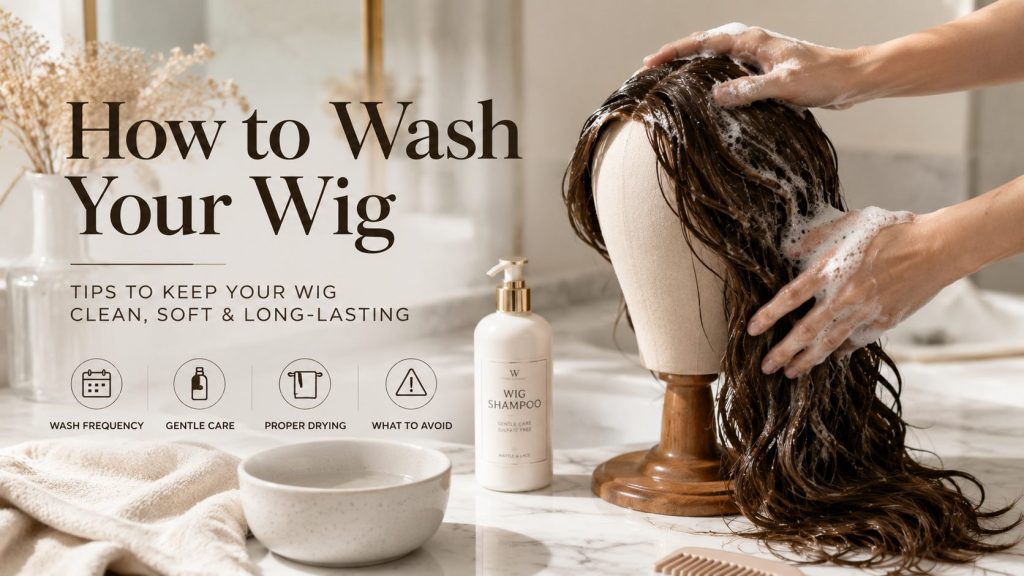
HOW TO WASH YOUR HUMAN HAIR WIG
Keep your wig soft, smooth and beautiful with the right care routine.A gentle step-by-step guide to cleaning and caring for vour human hair wig.
WHAT YOU’LL NEED
...
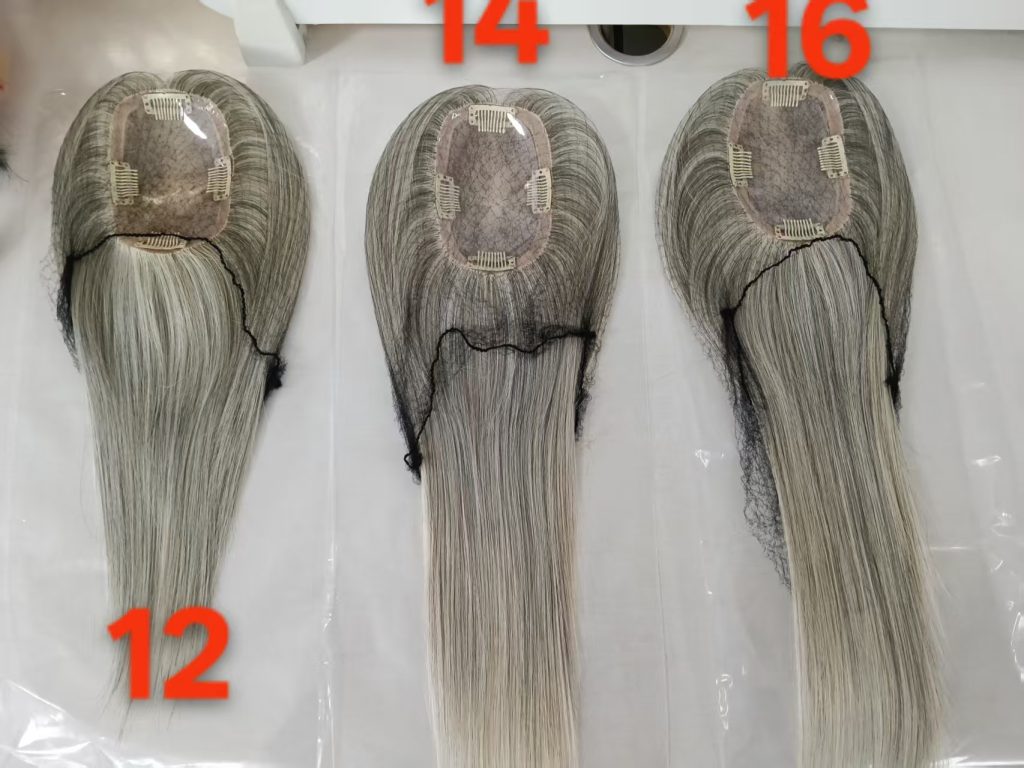
Discover how to choose the right hair topper for thinning hair, from base size and secure attachment to natural hairlines, colour matching and everyday care.
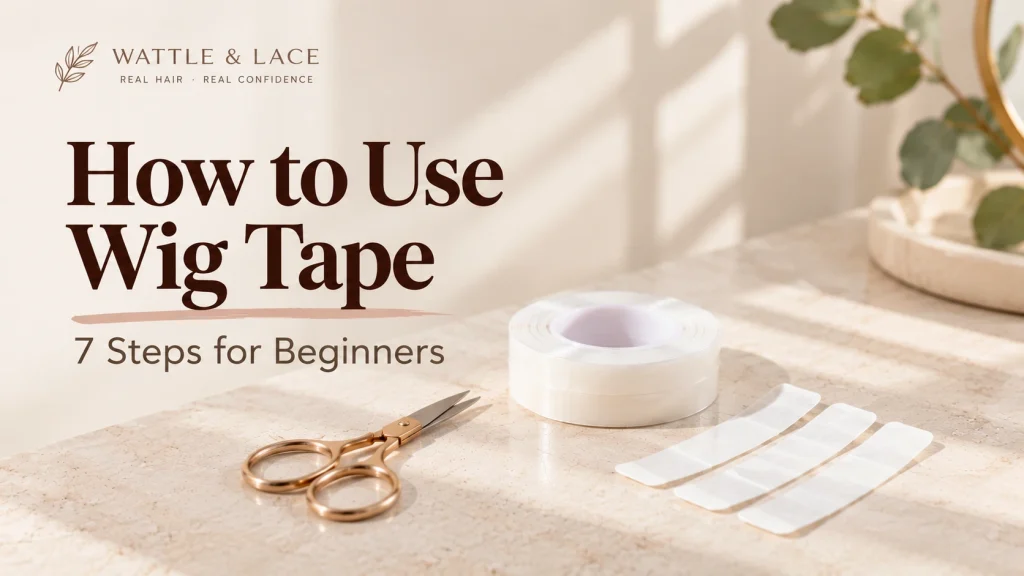
Using wig tape for the first time can feel fiddly. The strips are small, the lace needs to sit in exactly the right place, and once the tape touches your skin, repositioning can be difficult.
...
European Remy human hair is human hair described as originating from Europe, with the strands arranged so their cuticles face the same direction. The term combines two distinct descriptions: European refers to the stated...
What Is a Human Hair Wig?
Image source:European Human Hair Wig-Teagan wig
A human hair wig is made from real human hair, giving it the natural movement, texture and light reflection...
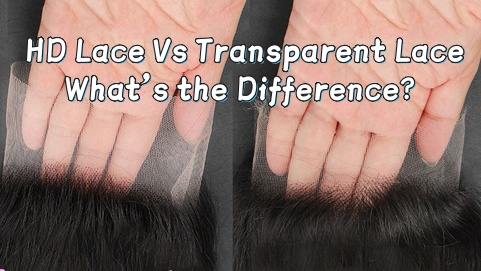
If you're shopping for a womens wig, you've probably seen HD lace and transparent lace listed as two different options. They can look almost identical in a product photo, which makes the choice a little confusing.
...
If you’ve been scrolling through dozens of tabs trying to figure out where to buy a decent piece of alternative hair, I get it. It’s overwhelming. Between dodgy overseas websites, glossy social media...
A beautiful wig should never look like you’re wearing a wig. The right colour, texture, density and fit can make all the difference to how natural and confident you feel. If you’re wondering how to choose a European huma...
WIG GUIDE
Choosing between a glueless wig and an lace glue for wigs comes down to more than how the wig stays on. Comfort, security, hairline appearance and your everyday routine all play a part.
If you prefer a wi...
If you are new to wigs, you may have come across the term glueless wig and wondered how a wig can stay in place without glue. The answer is simpler than it sounds: a glueless wig is designed around the fit and constructi...
European human hair wigs are among the more premium options available in Australia, but there is no single price that applies to every wig. Length, hair quality, density, lace construction, cap design, colour and customi...