Hair loss can affect more than your appearance. It can change how you feel about getting ready in the morning, going to work or spending time with others. For women experiencing permanent hair loss, understanding the cause and finding a comfortable way to manage it can make everyday life feel more manageable.
Scarring alopecia, also known as cicatricial alopecia, is a group of conditions that damage hair follicles and replace them with scar tissue. Unlike some other forms of hair loss, the damage can be permanent. Recognising the early signs and seeking appropriate medical care are important steps in managing the condition.
If you are exploring wigs as part of your hair loss journey, this guide explains what scarring alopecia is, how it differs from other types of hair loss, and what to consider when choosing a wig or topper for comfort and a natural appearance.
What Is Scarring Alopecia?
Scarring alopecia occurs when inflammation or another form of damage destroys hair follicles. Once a follicle has been replaced by scar tissue, it can no longer produce hair.
There are two broad categories:
Primary scarring alopecia: A group of conditions in which inflammation directly targets the hair follicles. Examples include lichen planopilaris (LPP), frontal fibrosing alopecia (FFA) and central centrifugal cicatricial alopecia (CCCA).
Secondary scarring alopecia: Hair follicles are damaged as a result of another process, such as a burn, injury, surgery or certain medical treatments.
The causes and patterns vary between conditions. Some develop gradually, while others progress more quickly. Not everyone experiences the same symptoms, and the appearance of the scalp alone cannot establish a diagnosis.
According to Cleveland Clinic's overview of scarring alopecia, hair loss may be permanent where the follicles have been destroyed. Treatment generally aims to control the underlying condition and prevent further damage, rather than restore follicles that no longer function. [1]
What Are the Symptoms of Scarring Alopecia?
Scarring alopecia may begin with a small area of hair loss that gradually becomes more noticeable. In other cases, changes develop more quickly.
Possible signs include:
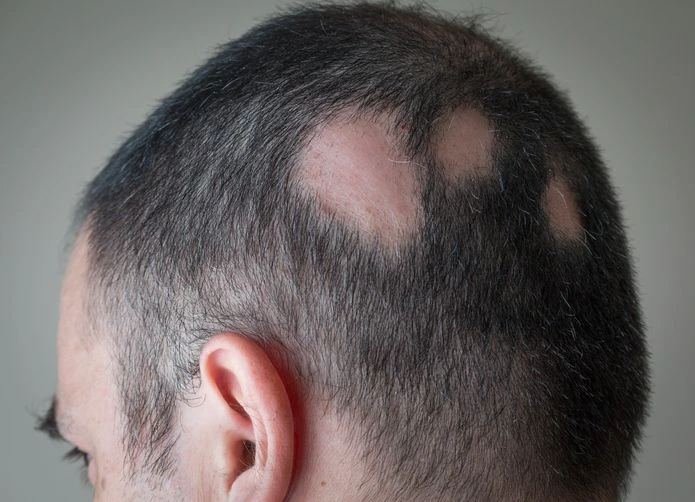
Patches of hair loss or a receding hairline.
Redness, scaling or crusting around affected areas.
Itching, burning, tenderness or scalp discomfort.
Small bumps or pustules around hair follicles.
Smooth, shiny areas where normal follicular openings are no longer visible.
Some people experience discomfort before noticing significant hair loss. Others have few symptoms beyond changes in hair density.
These signs are not exclusive to scarring alopecia. If you notice progressive hair loss, persistent scalp inflammation or painful areas, arrange an assessment with a GP or dermatologist. Early evaluation matters because treatment may help limit further follicle damage.
Scarring Alopecia vs Alopecia Areata: What's the Difference?
The terms can sound similar, but they describe different conditions.
Alopecia areata is an autoimmune condition that commonly causes round or oval patches of hair loss. The follicles are generally preserved, so hair regrowth may be possible, although the course varies.
Scarring alopecia involves the destruction of hair follicles. Where this damage is permanent, hair cannot regrow from the affected follicles. [2, 3]
Feature
Scarring alopecia
Alopecia areata
Main process
Follicles are destroyed and replaced by scar tissue
Immune activity disrupts normal hair growth
Scalp appearance
May show inflammation, scarring or loss of follicular openings
Often smooth patches without visible scarring
Regrowth
Unlikely from permanently destroyed follicles
Possible, but unpredictable
Medical assessment
Important to identify the subtype and control progression
Important to confirm the diagnosis and discuss treatment
Other conditions, including female pattern hair loss and traction alopecia, can also cause thinning or bald patches. Because different conditions can look similar, avoid self-diagnosing from photographs or symptoms alone.
How Is Scarring Alopecia Diagnosed and Treated?
A dermatologist will usually review your medical history, examine your scalp and ask about the timing and pattern of hair loss, as well as any itching, pain or burning.
A magnified scalp examination, often called trichoscopy, can help identify changes around hair follicles. A scalp biopsy may be recommended when further information is needed to confirm the diagnosis or determine the type of inflammation. Blood tests or other investigations may be appropriate in selected cases.
The treatment plan depends on the specific condition, its activity and the extent of the damage. Depending on the diagnosis, a dermatologist may recommend anti-inflammatory medicines or other treatments directed at the underlying cause.
Treatment can sometimes slow or control active disease, but results vary. Hair that has been permanently lost through follicle destruction generally cannot be restored with medication. Hair transplantation may be considered in selected cases after the disease has become inactive, but it is not suitable for everyone.
A review published in the Canadian Medical Association Journal discusses the challenges of diagnosing and treating primary cicatricial alopecia, including the importance of early assessment. Although this paper remains a useful reference, it dates from 2013 and should be read alongside current clinical advice. [3]
If you suspect scarring alopecia, prioritise medical assessment before relying on cosmetic solutions. A wig can help manage the appearance of hair loss, but it does not treat the underlying condition.
Choosing a Wig or Hair Topper for Scarring Alopecia
Hair loss can affect more than your appearance. It may change how you feel about getting ready in the morning, going out with friends or simply looking in the mirror. If you are living with scarring alopecia, finding a comfortable hair solution that feels right for you can be an important step towards feeling more like yourself.
The right choice depends on the areas affected by hair loss, your scalp condition and the look you feel most comfortable with. There is no single solution that suits everyone, and your comfort should always come first. How to choose good wigs
Choose Coverage That Suits Your Hair Loss
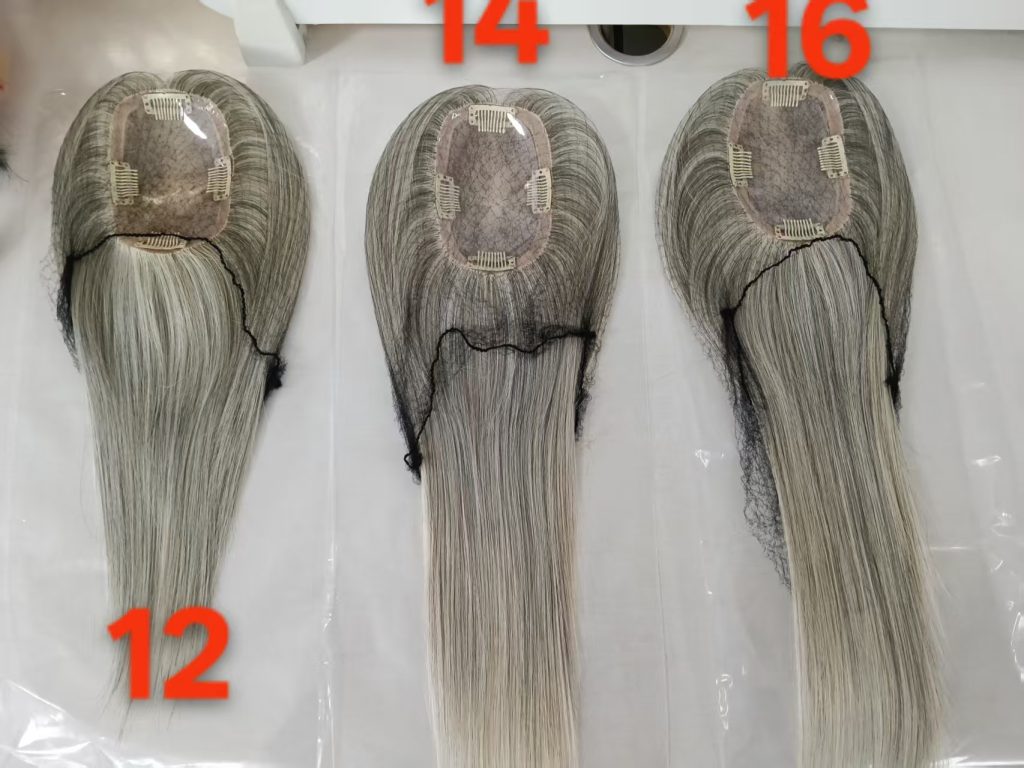
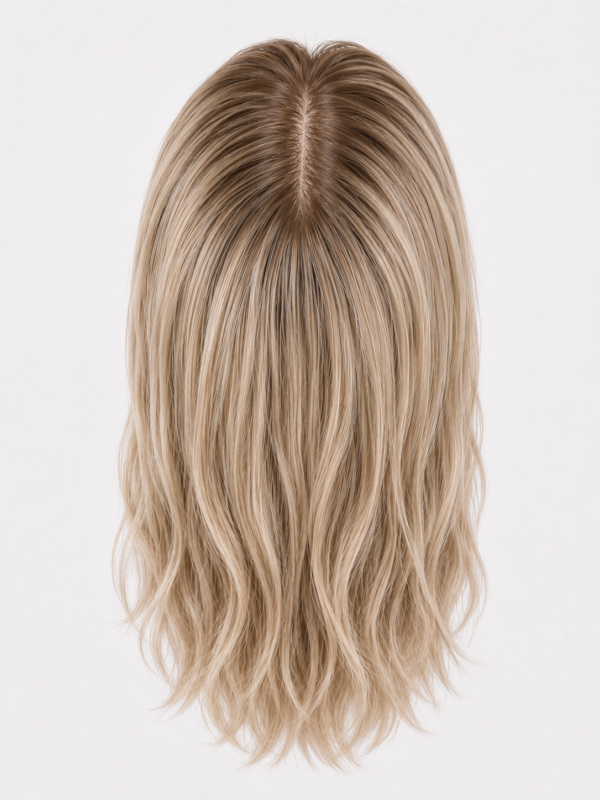
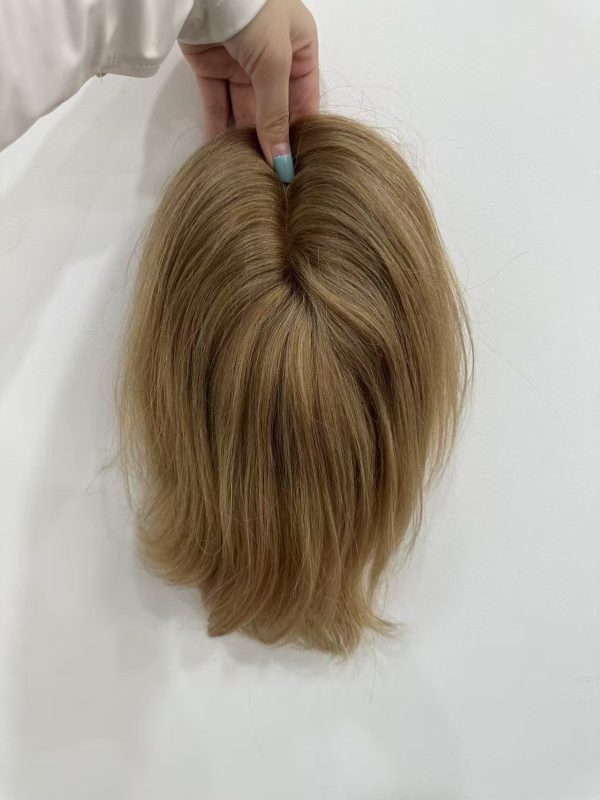
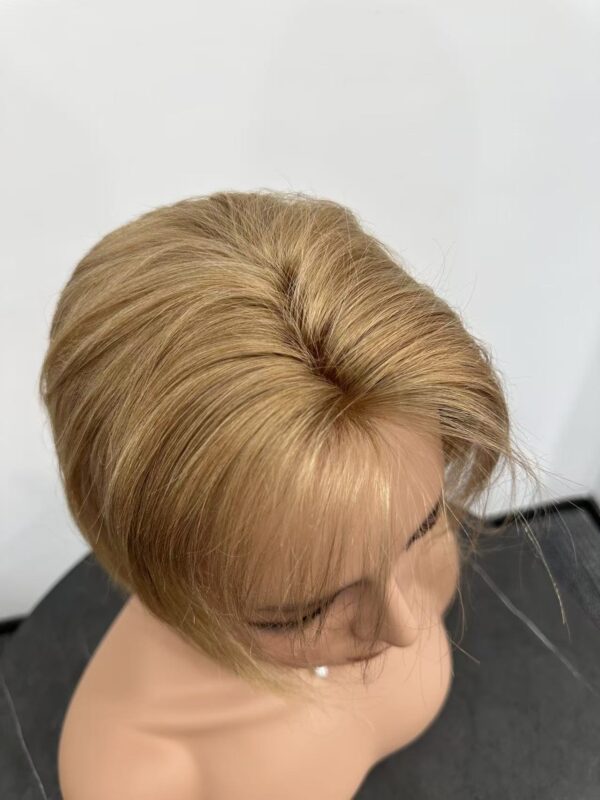
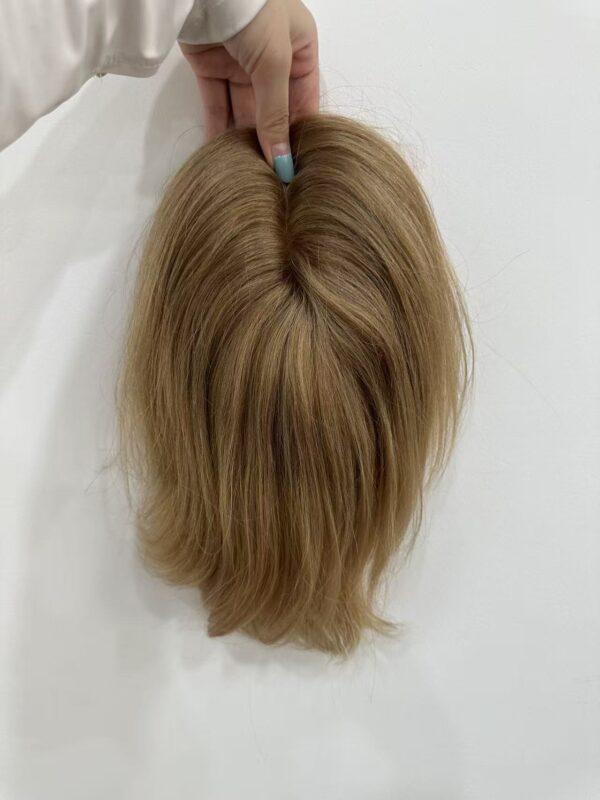
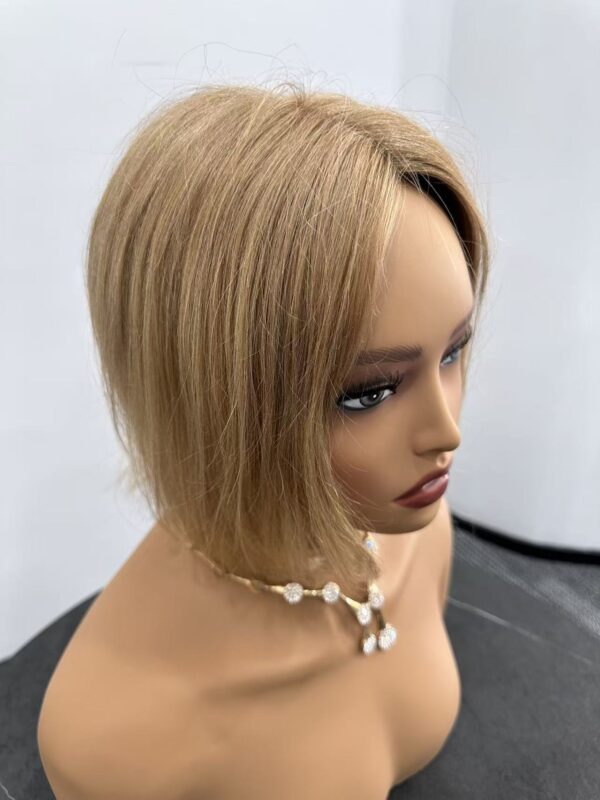
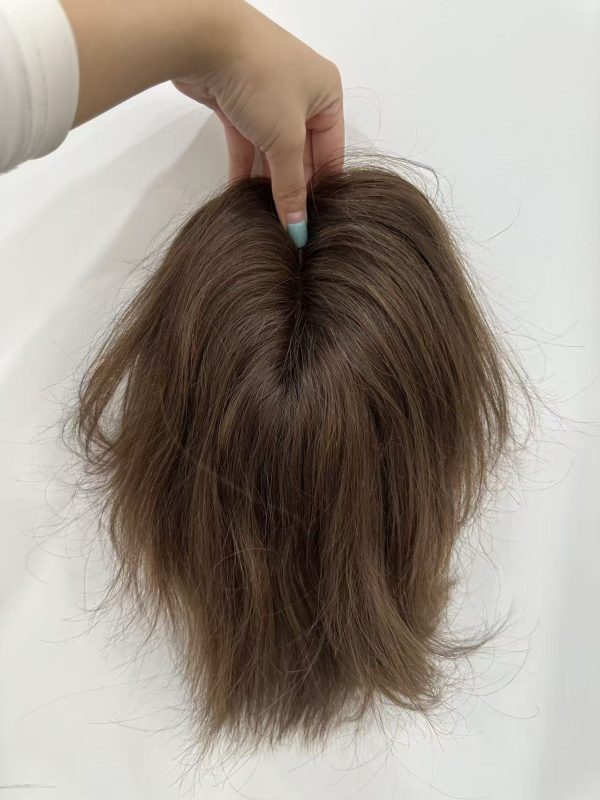
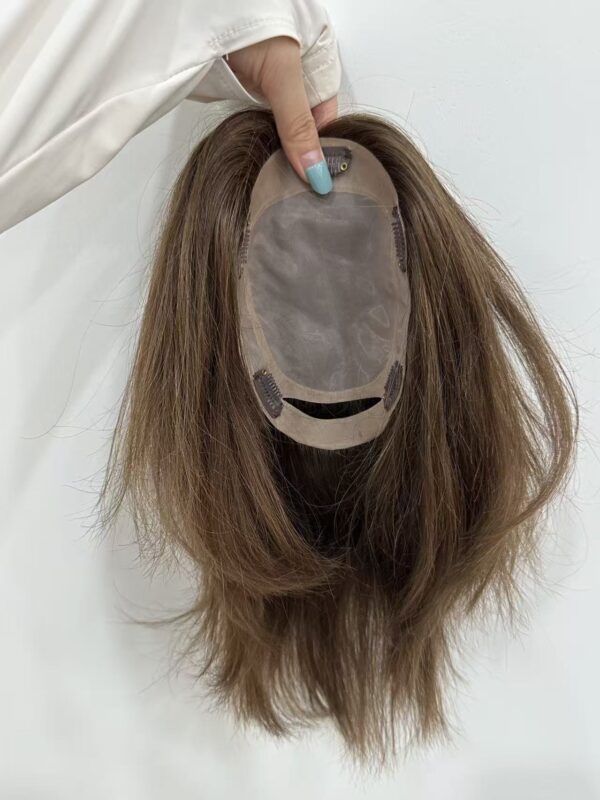
If you still have hair in some areas and mainly want to cover thinning at the crown, parting or top of your head, a human hair topper may be worth considering. Toppers provide targeted coverage and can blend with your existing hair, making them a practical option when you do not need full-head coverage.Speak to the wattlelace team
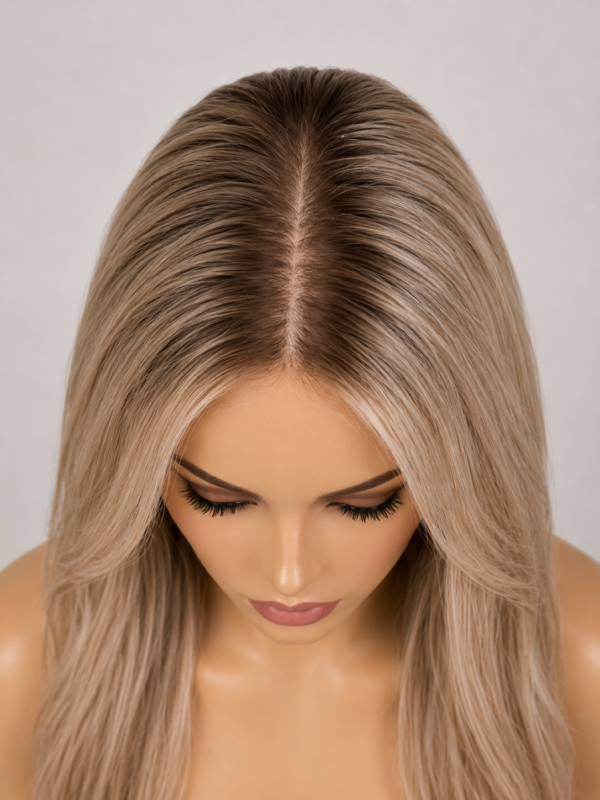
If hair loss is more extensive, or you prefer complete coverage, a wig may be a better fit for your needs. Wigs come in different lengths, textures and styles, allowing you to choose something that feels familiar or try a look that suits the way you want to express yourself.
With scarring alopecia, hair loss can be permanent in affected areas, and the scalp may also be sensitive or inflamed. Before choosing a topper or wig, consider whether the attachment method could place pressure or friction on your scalp. If your skin is sore, broken or inflamed, consult your dermatologist before wearing either option.
In Australia, a GP can help arrange a dermatology referral when needed. If your scalp symptoms are worsening, seek medical advice rather than waiting for your next wig fitting.
Frequently Asked Questions
Can scarring alopecia be reversed?
Hair cannot generally regrow from follicles that have been permanently destroyed. Treatment may help control the underlying condition and protect remaining follicles. Outcomes depend on the specific diagnosis and extent of damage.
Is scarring alopecia the same as alopecia areata?
No. Scarring alopecia destroys hair follicles, while alopecia areata usually leaves the follicles intact. Both require an appropriate diagnosis, as treatment and prognosis differ.
Can I wear a wig if I have scarring alopecia?
Many people use wigs to manage visible hair loss. Suitability depends on scalp comfort and disease activity. Seek medical advice if your scalp is inflamed, painful or broken, and choose a wig that minimises rubbing and pressure.
What type of wig is best for a sensitive scalp?
There is no single best wig for everyone. Look for a comfortable cap, a suitable size, minimal friction and an appropriate attachment method. A professional fitting can help you compare options.
Should I see a doctor before buying a wig?
If you have unexplained, progressive hair loss or scalp symptoms such as redness, burning or tenderness, seek medical assessment first. A diagnosis helps you understand your condition and make more informed choices about hair replacement.
Medical references
The article draws on the following medical sources. The references support the medical explanations; the wig-selection recommendations are practical consumer guidance rather than clinical treatment advice.
2. American Academy of Dermatology. Alopecia Areata: Overview. Information about alopecia areata and the possibility of hair regrowth.
3. Filbrandt R, Rufaut N, Jones L, Sinclair R. Primary cicatricial alopecia: diagnosis and treatment. CMAJ. 2013;185(18):1579–1585. Read the full paper on PubMed Central.
4. Quirónsalud. Scarring Alopecia. Overview of symptoms, causes, diagnostic procedures and treatment approaches.
15 years of experience in the wig industry
Extensive experience in human hair wigs, wig construction, fit, hair quality and styling. Dedicated to helping women find natural-looking hair that feels comfortable and truly suits them.
HOW TO WASH YOUR HUMAN HAIR WIG
Keep your wig soft, smooth and beautiful with the right care routine.A gentle step-by-step guide to cleaning and caring for vour human hair wig.
WHAT YOU’LL NEED
...
Discover how to choose the right hair topper for thinning hair, from base size and secure attachment to natural hairlines, colour matching and everyday care.
Using wig tape for the first time can feel fiddly. The strips are small, the lace needs to sit in exactly the right place, and once the tape touches your skin, repositioning can be difficult.
...
European Remy human hair is human hair described as originating from Europe, with the strands arranged so their cuticles face the same direction. The term combines two distinct descriptions: European refers to the stated...
What Is a Human Hair Wig?
Image source:European Human Hair Wig-Teagan wig
A human hair wig is made from real human hair, giving it the natural movement, texture and light reflection...
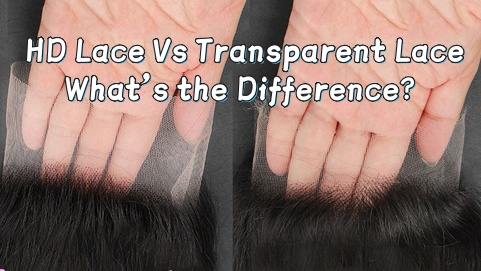
If you're shopping for a womens wig, you've probably seen HD lace and transparent lace listed as two different options. They can look almost identical in a product photo, which makes the choice a little confusing.
...
If you’ve been scrolling through dozens of tabs trying to figure out where to buy a decent piece of alternative hair, I get it. It’s overwhelming. Between dodgy overseas websites, glossy social media...
A beautiful wig should never look like you’re wearing a wig. The right colour, texture, density and fit can make all the difference to how natural and confident you feel. If you’re wondering how to choose a European huma...
WIG GUIDE
Choosing between a glueless wig and an lace glue for wigs comes down to more than how the wig stays on. Comfort, security, hairline appearance and your everyday routine all play a part.
If you prefer a wi...
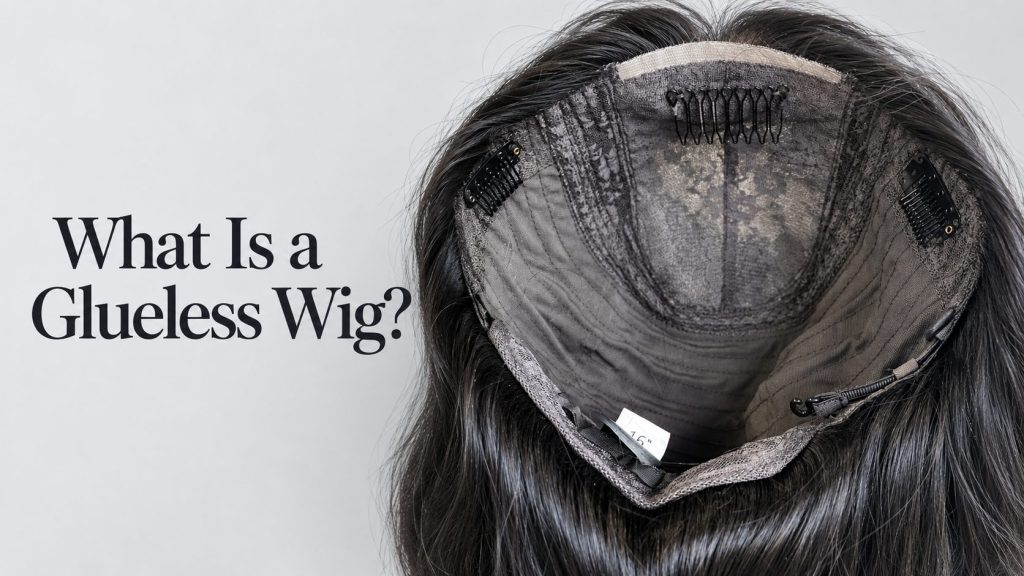
If you are new to wigs, you may have come across the term glueless wig and wondered how a wig can stay in place without glue. The answer is simpler than it sounds: a glueless wig is designed around the fit and constructi...
European human hair wigs are among the more premium options available in Australia, but there is no single price that applies to every wig. Length, hair quality, density, lace construction, cap design, colour and customi...