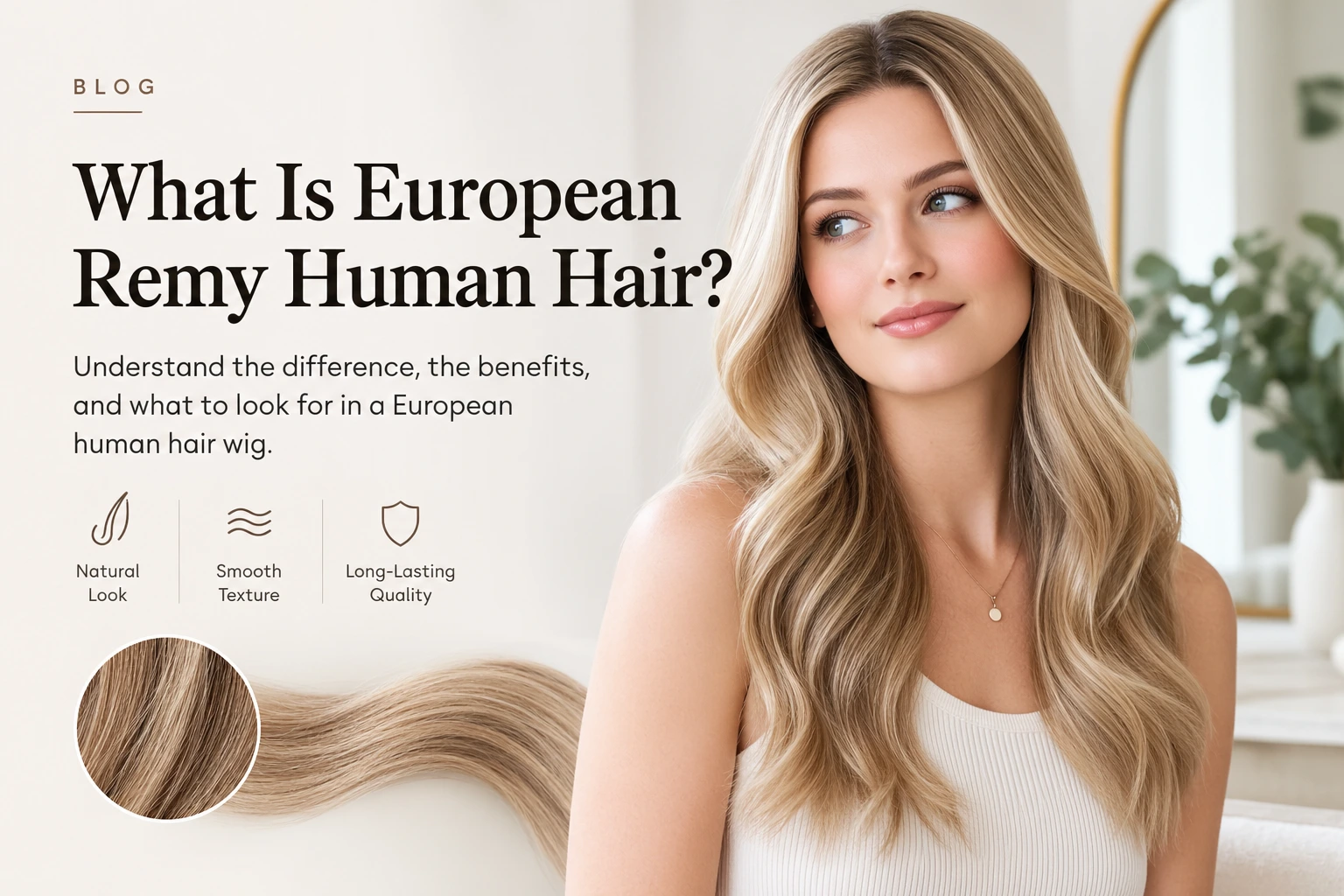
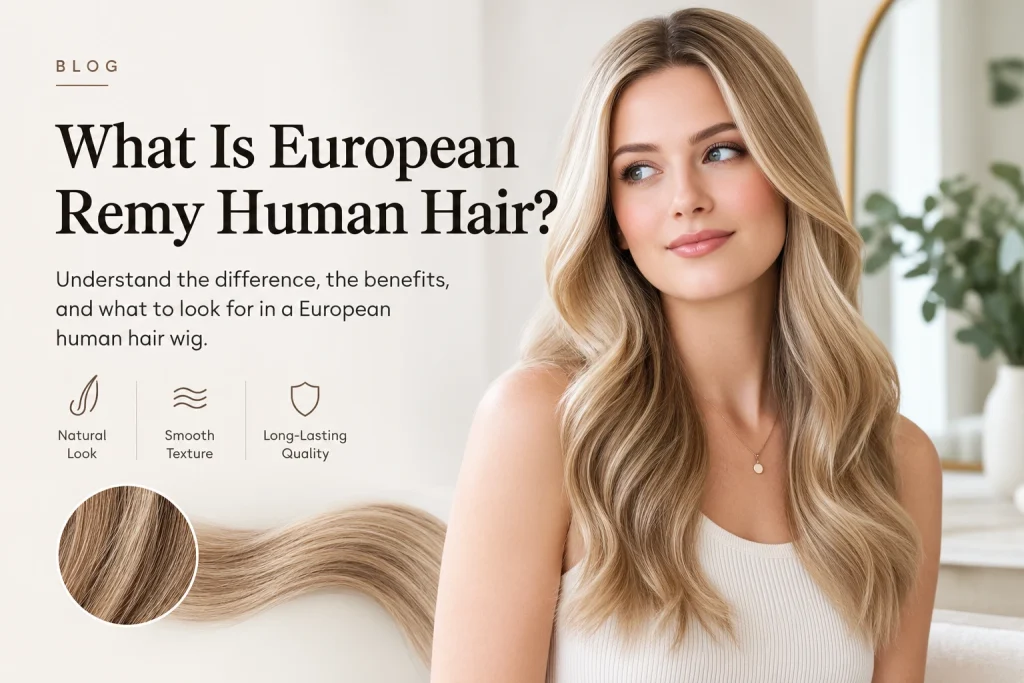
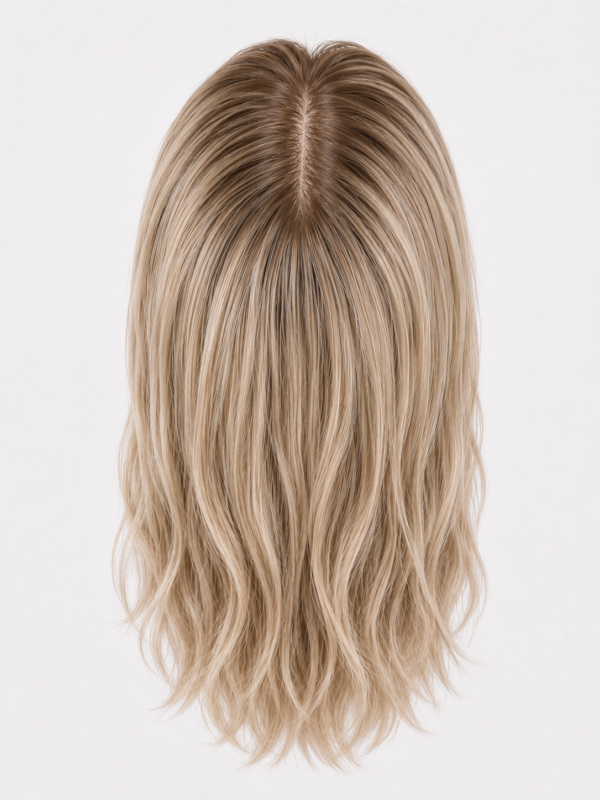
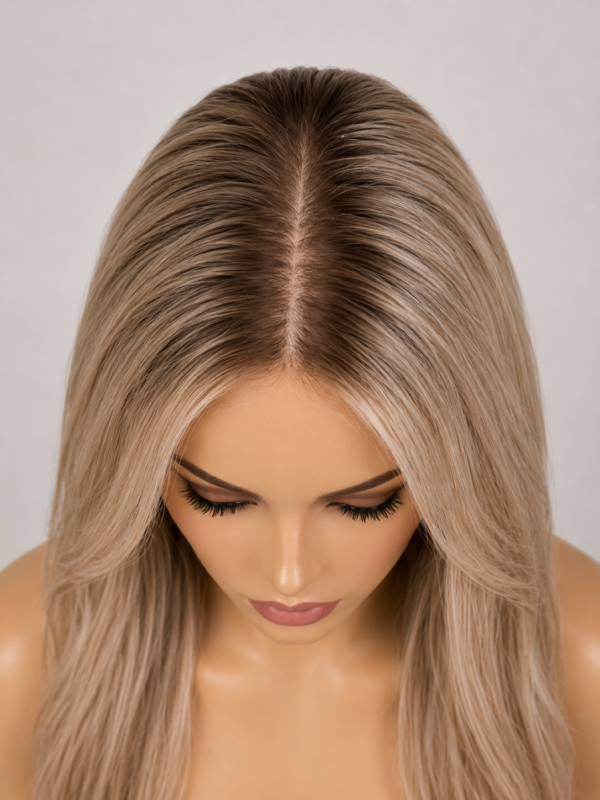
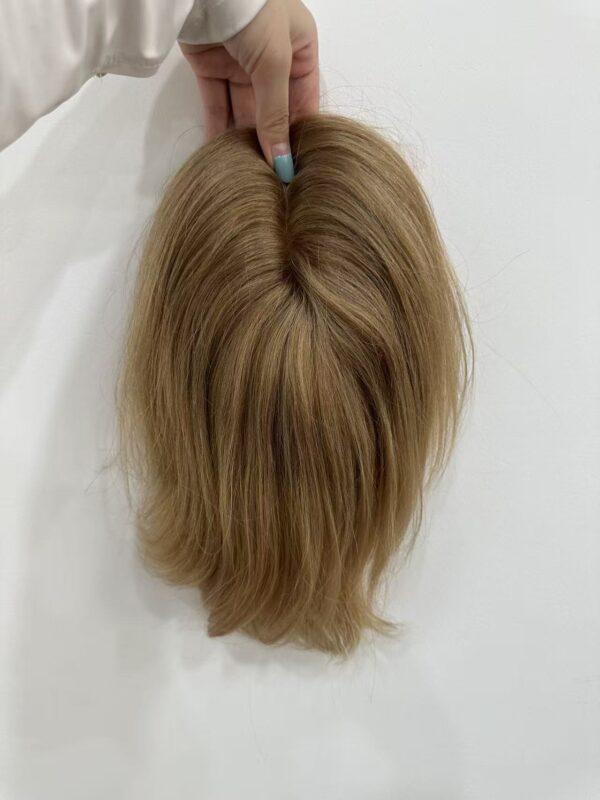
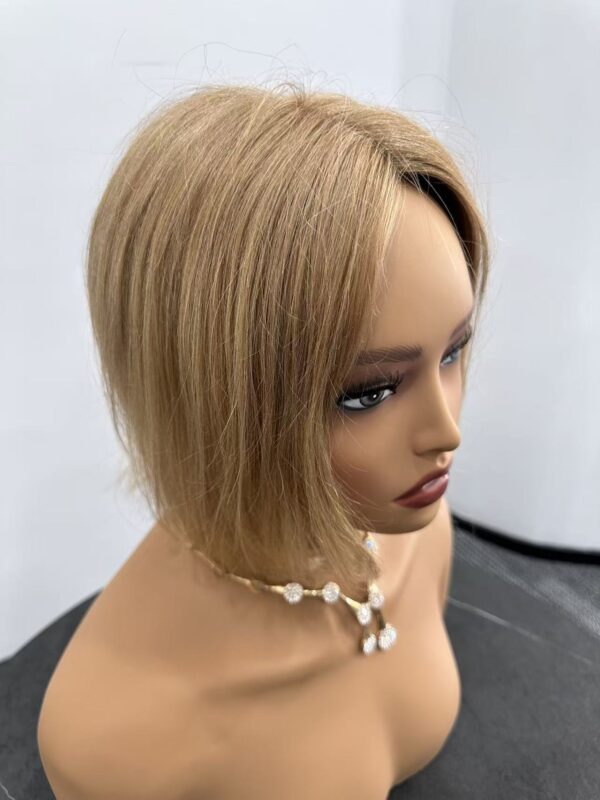
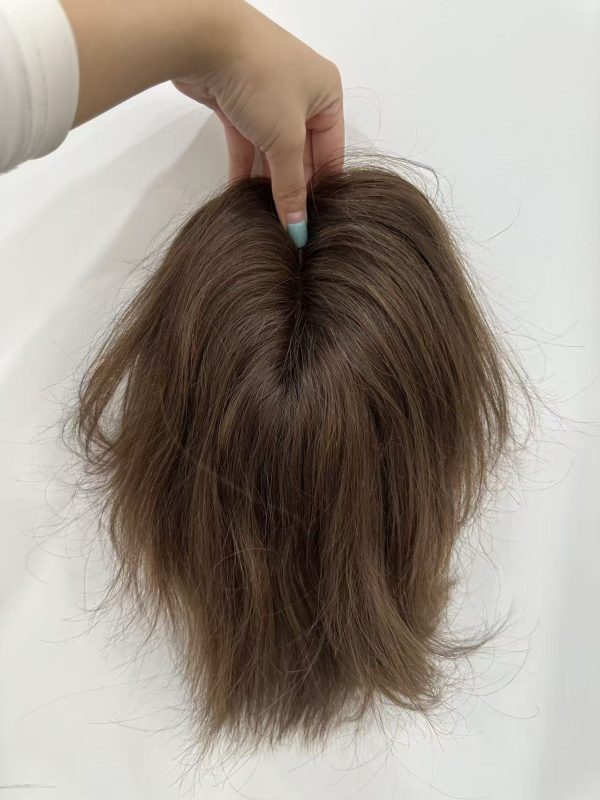
European Remy human hair is human hair described as originating from Europe, with the strands arranged so their cuticles face the same direction. The term combines two distinct descriptions: European refers to the stated geographical origin of the hair, while Remy describes how the strands are aligned during collection and preparation.
Keeping the cuticles aligned can help reduce friction between strands, making the hair easier to detangle and manage. When the hair is in good condition and properly cared for, it can offer natural movement, a soft feel and a realistic appearance in a wig.
However, European Remy human hair is not automatically virgin hair, nor does the label alone guarantee a particular level of quality or durability. Processing methods, the condition of the hair and the construction of the wig all affect the final result.
For anyone considering a European human hair wig, understanding these terms makes it easier to assess what a product description actually tells you.
European Hair vs Remy Hair vs Virgin Hair
These terms are often used together, but each describes something different.
Describes the stated geographical origin of the hair.
Remy hair
Describes hair collected and arranged with the cuticles facing the same direction.
Virgin hair
Generally describes hair that has not undergone chemical processing, such as colouring or perming. Definitions can vary between sellers.
A wig can be made from Remy hair without being virgin hair. Likewise, Remy hair can come from different geographical regions. The terms should not be treated as interchangeable.
What Makes European Remy Human Hair Different?
European Remy hair is often selected for its natural-looking finish and styling versatility. Its actual texture, thickness and behaviour depend on the hair itself and how it has been processed.
Natural movement and appearance
Human hair can move and reflect light in a way that looks natural. Depending on the individual hair and the wig's style, it may be worn straight, waved or curled with suitable heat styling. Results vary, and heat should always be used carefully to limit dryness and damage.
Manageability
Aligned cuticles can help reduce friction between strands, but this does not make the hair completely tangle-free. Longer lengths, wind, clothing friction and inadequate conditioning can all contribute to knots. Gentle detangling and regular care remain important.
Hair quality and wig construction
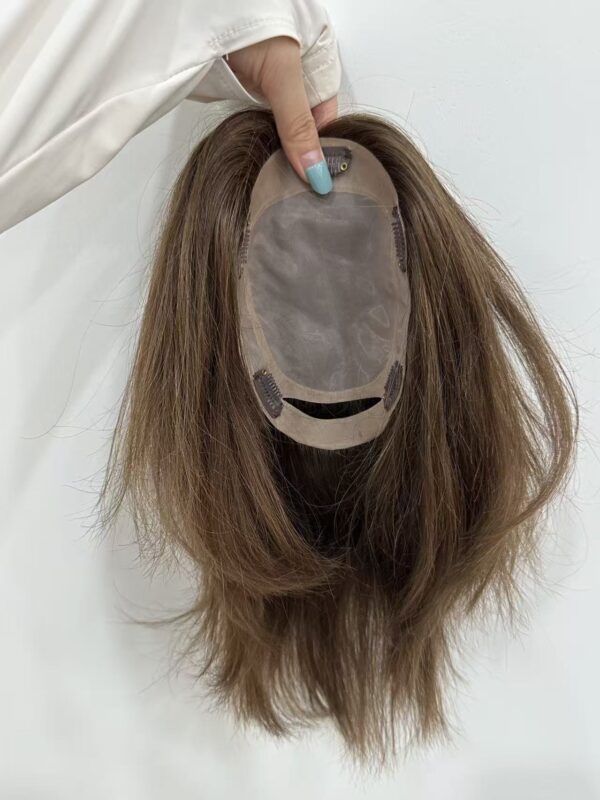
The hair is only one part of the finished product. Cap design, lace placement, density, weight and fit also affect how a wig looks and feels. If you have a sensitive scalp, consider these features alongside the hair description when comparing human hair wigs.
How Well Can a European Human Hair Wig Hold Up?
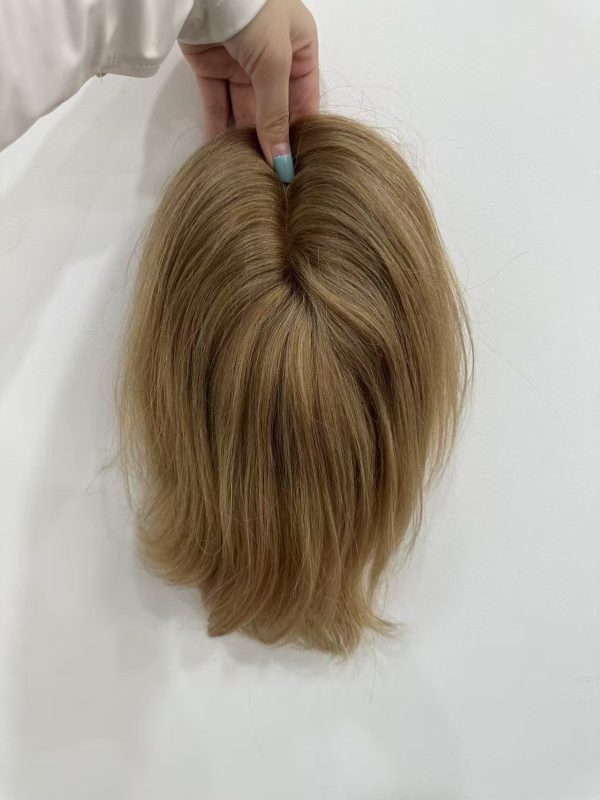
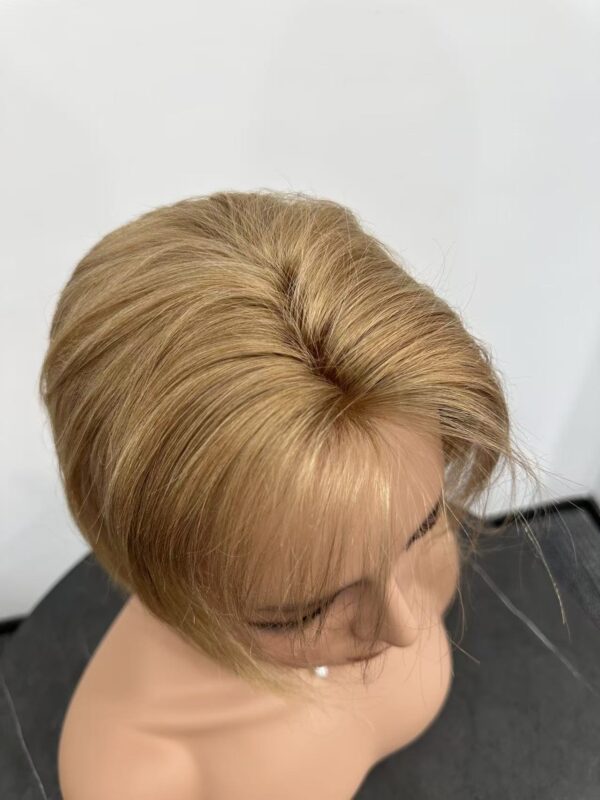
In a supplied 30-day wear-test record, Sophie wore a 68 g wig during daily commuting, light treadmill exercise and outdoor activities in temperatures of approximately 28–33°C.
After 30 days and four washes, the recorded observations noted that the hair retained its shine, with no obvious tangling at the ends or visible split ends. The cap also remained in shape, and no loose stitching was observed in the hand-tied mesh.
This case provides an example of how the tested wig performed with regular wear and basic care. It does not establish the performance of every European Remy wig, and a wear test alone cannot verify the hair's geographical origin.
How Should You Care for European Remy Human Hair?
Gentle care helps preserve the appearance and manageability of human hair. A few practical habits can make a difference:
Detangle gently from the ends upwards before washing.
Use a gentle shampoo and conditioner suitable for human hair wigs.
Avoid rubbing or twisting the hair when washing and drying.
Limit excessive heat styling and use heat protection where appropriate.
Store the wig carefully to reduce friction and tangling between wears.
Follow the care instructions provided with your specific wig, as recommended methods may vary with its texture and processing.
Looking for a natural-looking human hair wig? Compare available styles and find a design that suits your preferred length, texture and fit.
The term describes human hair claimed to be European in origin, with Remy referring to the alignment of the cuticles. Check the seller's sourcing information and product description for details.
Is European Remy hair the same as virgin hair?
No. Remy describes cuticle alignment, while virgin hair generally refers to hair that has not undergone chemical processing. One term does not automatically imply the other.
Does European Remy hair tangle?
It can. Cuticle alignment may help with manageability, but dryness, friction, product build-up and rough brushing can still cause tangles.
Can you identify European hair by its texture?
No. Texture and appearance alone cannot reliably establish geographical origin. Clear sourcing information from the seller is more useful when assessing an origin claim.
About Lisa
15 years of experience in the wig industry
Extensive experience in human hair wigs, wig construction, fit, hair quality and styling. Dedicated to helping women find natural-looking hair that feels comfortable and truly suits them.
HOW TO WASH YOUR HUMAN HAIR WIG
Keep your wig soft, smooth and beautiful with the right care routine.A gentle step-by-step guide to cleaning and caring for vour human hair wig.
WHAT YOU’LL NEED
...
Discover how to choose the right hair topper for thinning hair, from base size and secure attachment to natural hairlines, colour matching and everyday care.
Using wig tape for the first time can feel fiddly. The strips are small, the lace needs to sit in exactly the right place, and once the tape touches your skin, repositioning can be difficult.
...
European Remy human hair is human hair described as originating from Europe, with the strands arranged so their cuticles face the same direction. The term combines two distinct descriptions: European refers to the stated...
What Is a Human Hair Wig?
Image source:European Human Hair Wig-Teagan wig
A human hair wig is made from real human hair, giving it the natural movement, texture and light reflection...
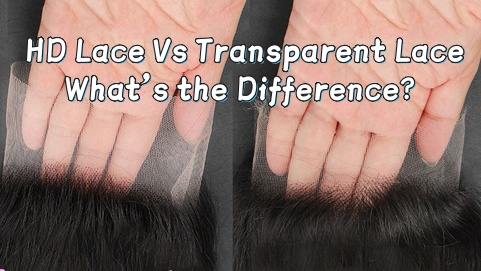
If you're shopping for a womens wig, you've probably seen HD lace and transparent lace listed as two different options. They can look almost identical in a product photo, which makes the choice a little confusing.
...
If you’ve been scrolling through dozens of tabs trying to figure out where to buy a decent piece of alternative hair, I get it. It’s overwhelming. Between dodgy overseas websites, glossy social media...
A beautiful wig should never look like you’re wearing a wig. The right colour, texture, density and fit can make all the difference to how natural and confident you feel. If you’re wondering how to choose a European huma...
WIG GUIDE
Choosing between a glueless wig and an lace glue for wigs comes down to more than how the wig stays on. Comfort, security, hairline appearance and your everyday routine all play a part.
If you prefer a wi...
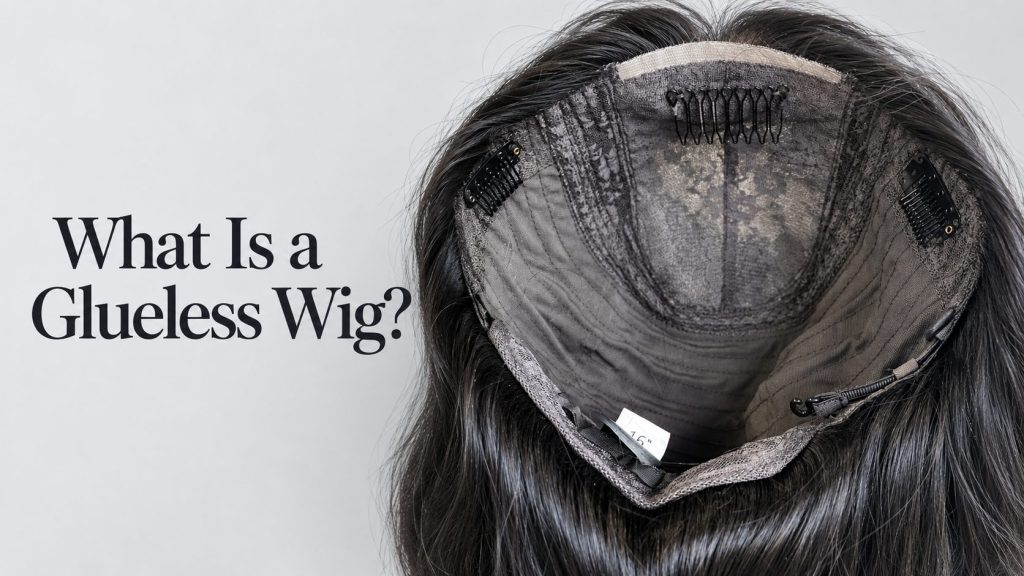
If you are new to wigs, you may have come across the term glueless wig and wondered how a wig can stay in place without glue. The answer is simpler than it sounds: a glueless wig is designed around the fit and constructi...
European human hair wigs are among the more premium options available in Australia, but there is no single price that applies to every wig. Length, hair quality, density, lace construction, cap design, colour and customi...