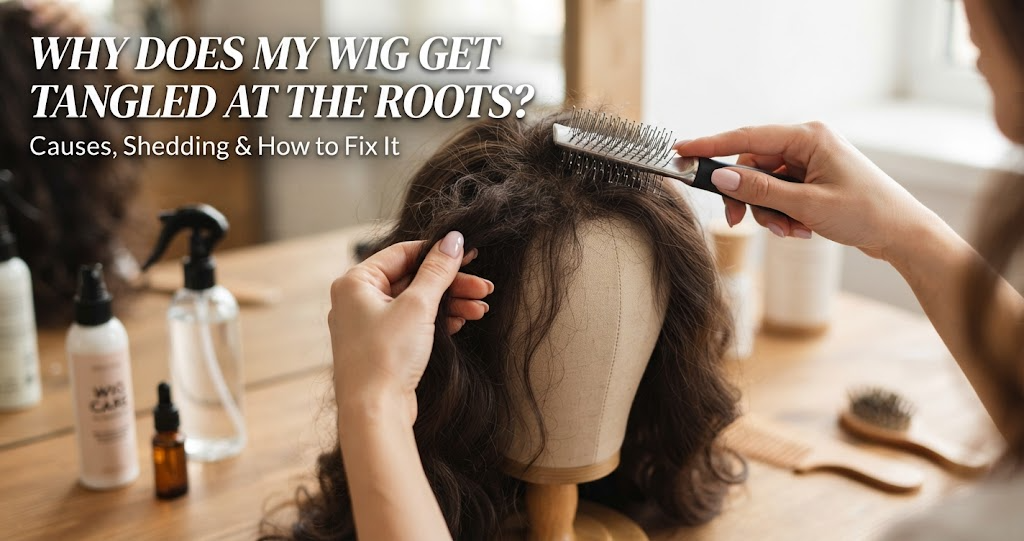
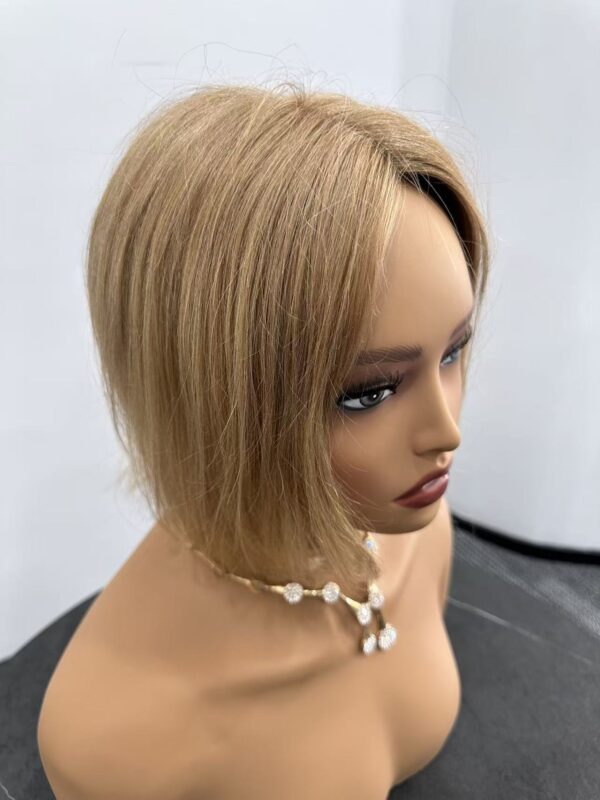
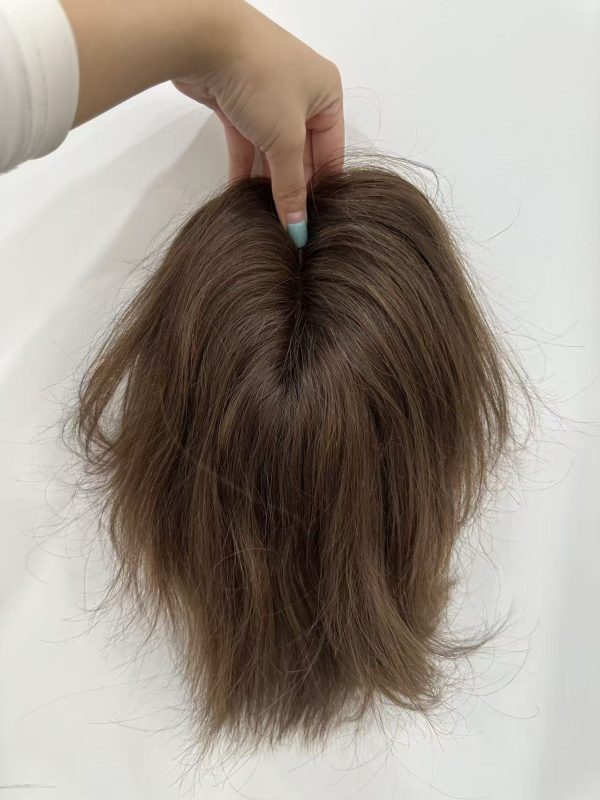
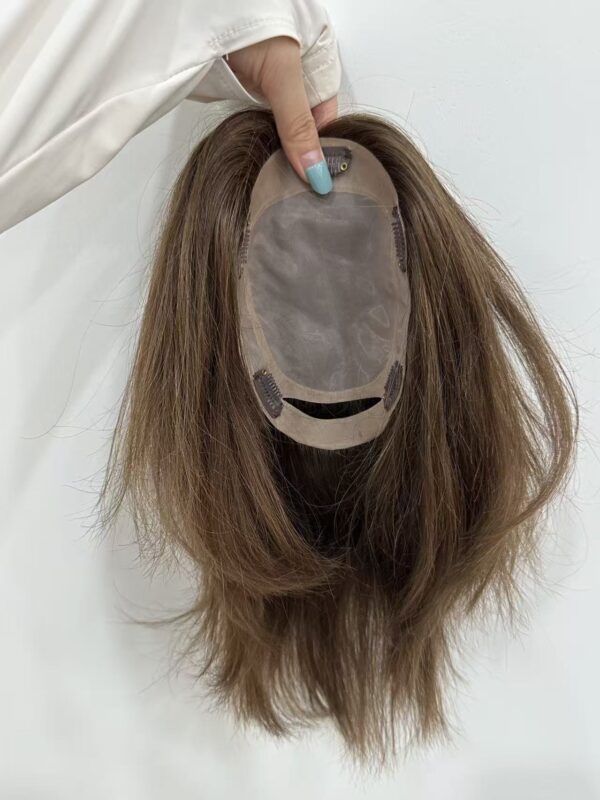
You brush your wig regularly, use quality hair products and take care of it carefully—so why do the roots still seem to tangle first?
Even a high-quality human hair wig can develop knots around the roots,
particularly near the nape and areas that experience frequent friction.
The good news is that tangled wig roots do not automatically mean your wig
is damaged or poor quality. In many cases, the problem comes from a combination
of friction, moisture, product buildup, sleeping habits and brushing technique.
Why Does Your Wig Get Tangled at the Roots?
The roots of a wig experience a very different environment from the mid-lengths
and ends. They sit close to the wig cap, lace, clips, combs, natural hair and scalp.
Every time you move your head, adjust the wig, exercise or lie down,
the roots can experience small amounts of friction and tension.
Over time, these small movements can cause individual strands to wrap around
one another. Once a small knot forms, nearby hairs can become caught in it,
turning a minor tangle into a larger one.
This is why you may notice that the lengths of your wig still look smooth
while the area close to the roots or nape starts to feel rough or tangled.
The most common causes of tangled wig roots include:
-
Friction between the wig and your scalp or wig cap
-
Sweat, natural oils and humidity
-
Sleeping while wearing the wig
-
Excessive styling product buildup
-
Frequent adjustment or movement of the wig
-
Improper brushing techniques
-
Excessive tension around clips, combs or attachment points
-
The natural characteristics of curly or textured hair
1. Friction Between Your Wig and Scalp
Friction is one of the most overlooked causes of wig tangling.
Although each movement may seem insignificant, repeated friction can gradually
cause individual hair strands to interlock.
The areas around the back of the head and nape are particularly vulnerable.
These areas are constantly moving against clothing, your natural hair,
the wig cap or even the pillow when you sleep.
If you notice that your wig repeatedly tangles in exactly the same location,
the source may be friction rather than the hair itself.
Wattle & Lace Tip:
If tangling repeatedly occurs in the same area,
pay attention to what the hair is rubbing against rather than simply brushing more often.
2. Sweat, Natural Oils and Humidity Can Make Root Tangling Worse
Your scalp naturally produces oil and moisture. When combined with sweat,
heat and humidity, the hair close to the roots can become less separated
and more likely to cling together.
This can be especially noticeable after exercise, during warmer weather
or after wearing a wig for many hours.
Sweat does not mean your wig will automatically become tangled.
However, moisture combined with repeated movement can create conditions
where tangling happens more easily.
If you frequently wear your wig for long periods, allowing your scalp
and wig to dry appropriately between wears can help reduce unnecessary
moisture and friction.
3. Sleeping in Your Wig Can Cause Matting
One of the most common explanations for waking up with a tangled wig
is overnight friction.
While you sleep, your head moves against the pillow for hours.
Long hair can become compressed, twisted and rubbed repeatedly against
the fabric.
The nape is particularly susceptible because the hair is trapped between
your neck and pillow. Over several hours, small knots can develop into
more significant matting.
Important:
Do not try to aggressively brush out severe overnight matting.
Start with small sections and gently loosen the hair from the ends upward.
4. Too Much Product Can Create Sticky Roots
Hair products can help keep human hair wigs soft and manageable,
but more product is not necessarily better.
Leave-in conditioners, oils, styling creams and dry shampoos can accumulate
around the roots if they are applied too heavily or too frequently.
Product buildup can cause individual strands to stick together,
making the hair more difficult to separate when you brush it.
Instead of applying a large amount of product directly to the roots,
focus most conditioning products on the mid-lengths and ends unless
the product is specifically intended for root application.
5. Your Wig's Construction Can Affect Root Tangling
A wig is more than just hair. Its lace, wefts, knots, clips, combs
and cap construction all influence how the hair moves when you wear it.
Areas where the hair is attached to the construction can experience
more movement or tension than the rest of the wig.
If the wig shifts repeatedly during wear, the surrounding hair may
experience additional friction and movement.
This is one reason why correct sizing and secure placement matter.
A wig that moves excessively may create more friction than one that
sits securely and comfortably.
Why Does My Wig Shed When I Brush the Knots?
This is one of the most worrying parts of dealing with a tangled wig.
You find a knot, start brushing it out and suddenly see several strands
in your brush.
It is important to distinguish between normal shedding and excessive shedding.
Some Shedding Can Be Normal
Human hair wigs are made from individual hair strands rather than hair
that is biologically growing from a scalp.
During everyday wear, washing, brushing and styling, some strands that
have already loosened from the construction may come away.
A small amount of shedding does not necessarily indicate that the wig
is defective.
Excessive Shedding Is Different
If you notice a sudden increase in shedding, visible thinning,
damaged lace, loose construction or large amounts of hair coming away
during gentle brushing, the wig may be experiencing excessive mechanical stress.
In these situations, repeatedly pulling through the knots can make
the problem worse.
The Biggest Mistake: Pulling Through the Knot
When people see a stubborn knot, the instinct is often to brush harder.
Unfortunately, this can create a cycle that causes even more stress.
Tangling → Pulling → Tension → Shedding → More Tangling
When you pull directly from the root, the force created by the brush
is transferred to the area where the hair is attached to the wig.
Instead of simply removing the knot, you may be putting unnecessary
stress on the hair and wig construction.
The goal of detangling is therefore not to use more force.
It is to reduce tension while gradually separating individual strands.
How to Detangle a Wig Without Causing Excessive Shedding
If your wig has a small or moderate tangle, use a slow and controlled
approach rather than trying to remove the entire knot in one stroke.
-
Start with dry or appropriately conditioned hair.
Avoid brushing through heavily tangled hair when it is soaking wet
unless the wig's care instructions specifically recommend wet detangling.
-
Separate the hair into small sections.
Working with less hair at a time gives you greater control
and reduces unnecessary pulling.
-
Hold the hair above the knot.
Gently support the section close to the root with one hand.
This helps prevent brushing force from being transferred directly
to the attachment point.
-
Begin at the ends.
Work through the lower section of the hair first before gradually moving upward.
-
Loosen the knot gradually.
Use short, gentle movements rather than forcing a brush through the entire knot.
-
Move upward only after the lower section is clear.
Once the ends are smooth, slowly work toward the roots.
read more:The Guide to Untangling Wigs: Expert Tips from Wattlelace
Should You Brush a Curly Wig?
Not all wigs should be treated in exactly the same way.
Straight human hair wigs can generally tolerate more conventional brushing,
while wavy and curly wigs require a gentler approach to preserve their
natural pattern.
The more textured the hair pattern, the more important it becomes to
avoid aggressive brushing and unnecessary manipulation.
|
Wig Type
|
Tangling Risk
|
Recommended Approach
|
|
Straight
|
Lower
|
Gentle brushing from the ends upward
|
|
Loose Waves
|
Moderate
|
Detangle in sections and avoid excessive brushing
|
|
Curly
|
Higher
|
Use fingers or a suitable wide-tooth comb where appropriate
|
|
Tight Curls
|
Higher
|
Minimise brushing and focus on gentle separation
|
For textured or curly human hair wigs, aggressive brushing can disrupt
the curl pattern as well as increase mechanical stress.
Always follow the specific care instructions for your wig.
A Customer Experience We Hear Often
“The first thing I noticed was that the hair around the nape kept tangling.
I thought the wig itself was the problem, so I started brushing it more often.
That actually made the shedding worse. Once I changed the way I detangled it—
working from the ends and supporting the hair above the knot—the difference was noticeable.”
Why this matters:
This reflects a common wig-care experience:
trying to solve tangling with more aggressive brushing can unintentionally
increase tension on the hair and construction.
How to Prevent Wig Roots from Tangling Again
Preventing tangles is much easier than dealing with severe matting.
A few simple changes to your routine can reduce friction and unnecessary tension.
Before Wearing Your Wig
-
Make sure your natural hair is smooth and securely arranged underneath.
-
Check that the wig sits securely without excessive movement.
-
Avoid applying unnecessary amounts of styling products near the roots.
While Wearing Your Wig
-
Avoid repeatedly adjusting or pulling the wig.
-
Pay attention to areas where the hair repeatedly rubs against clothing.
-
After exercise or heavy sweating, allow the wig and scalp to dry appropriately.
After Wearing Your Wig
-
Gently detangle the hair before storing it.
-
Start at the ends and gradually work upward.
-
Store the wig in a clean, organised position rather than leaving it crumpled
on a chair or bed.
Before Going to Bed
If your wig is not designed for overnight wear, removing it before sleeping
can help reduce the amount of friction the hair experiences.
When Should You Stop Detangling Your Wig Yourself?
Not every tangle should be treated at home.
If the hair has become severely matted, continuing to pull through the knot
may cause unnecessary damage.
Consider professional wig maintenance if you notice:
-
Large or tightly compacted areas of matting
-
Visible thinning in one particular area
-
Loose or damaged lace
-
Noticeable damage around the attachment points
-
Significant shedding during very gentle handling
-
A knot that cannot be loosened without substantial force
If the construction itself has become compromised,
simply brushing the hair will not solve the underlying problem.
The Bottom Line: Don't Brush Harder—Brush Smarter
A tangled wig is not necessarily a damaged wig.
Root tangling is often the result of repeated friction, moisture,
movement, product buildup and the way the wig is handled.
The most important thing is how you respond when a knot appears.
Pulling aggressively from the roots can turn a manageable tangle
into unnecessary shedding.
Instead, separate the hair into small sections, support the hair above
the tangled area and work slowly from the ends upward.
With the right care routine, proper storage and gentle detangling techniques,
your human hair wig can remain smoother, softer and easier to manage for longer.
Looking for a Human Hair Wig That's Easy to Care For?
Explore the Wattle & Lace collection of premium Remy human hair wigs,
designed with natural-looking hairlines, comfortable construction
and everyday wear in mind.
Frequently Asked Questions About Tangled Wig Roots
Why does my wig tangle at the roots but not the ends?
The roots are exposed to more friction and movement because they sit
close to the wig cap, scalp, clips and natural hair.
This can make the root area more prone to tangling than the mid-lengths.
Why does my human hair wig shed when I brush it?
Some shedding can occur during normal brushing and wear.
However, excessive shedding may be associated with aggressive brushing,
repeated tension or damage to the wig's construction.
Can sleeping in a wig cause tangling?
Yes. Overnight movement creates prolonged friction between the hair
and pillow, particularly around the nape.
If your wig is not designed for overnight wear,
removing it before bed can help reduce tangling.
How do I detangle a wig without causing shedding?
Work in small sections, support the hair above the knot and start at the ends.
Gradually work upward rather than pulling directly from the roots.
Should I brush a curly human hair wig?
Curly wigs generally require a gentler approach than straight wigs.
Excessive brushing can disrupt the curl pattern and create unnecessary tension.
Finger detangling or a suitable wide-tooth comb may be more appropriate
depending on the curl type.
Why does my wig keep matting at the nape?
The nape experiences frequent friction against your neck, clothing and pillow.
Sweat and movement can increase the likelihood of matting,
making this one of the most common areas for wig tangling.
How can I stop my wig from tangling at the nape?
Reduce friction, avoid sleeping in a wig unless it is designed for overnight wear,
keep product buildup under control and gently detangle the nape after wearing.
Working from the ends upward can also help minimise unnecessary pulling.
Does wig quality affect tangling?
Hair quality and wig construction can influence manageability,
but even a premium human hair wig can tangle under the right conditions.
Friction, hair texture, wear habits, moisture and maintenance all play a role.