The most important first step: hair loss is a symptom, not one single diagnosis. A serum, shampoo, supplement, wig or medicine cannot address every cause. Sudden, patchy, painful or scarring loss should be assessed promptly by a GP or dermatologist.
01 · Recognise
How can you tell whether you are experiencing hair loss?
Hair naturally cycles through growth, transition and rest. Seeing hair in the shower or brush does not automatically mean you have a disorder. Healthdirect notes that losing around 100 hairs a day can be normal. What matters most is a sustained change from your baseline, together with visible changes in density or the scalp. Read Healthdirect’s female pattern hair loss guidance.
Look for patterns, not a single number
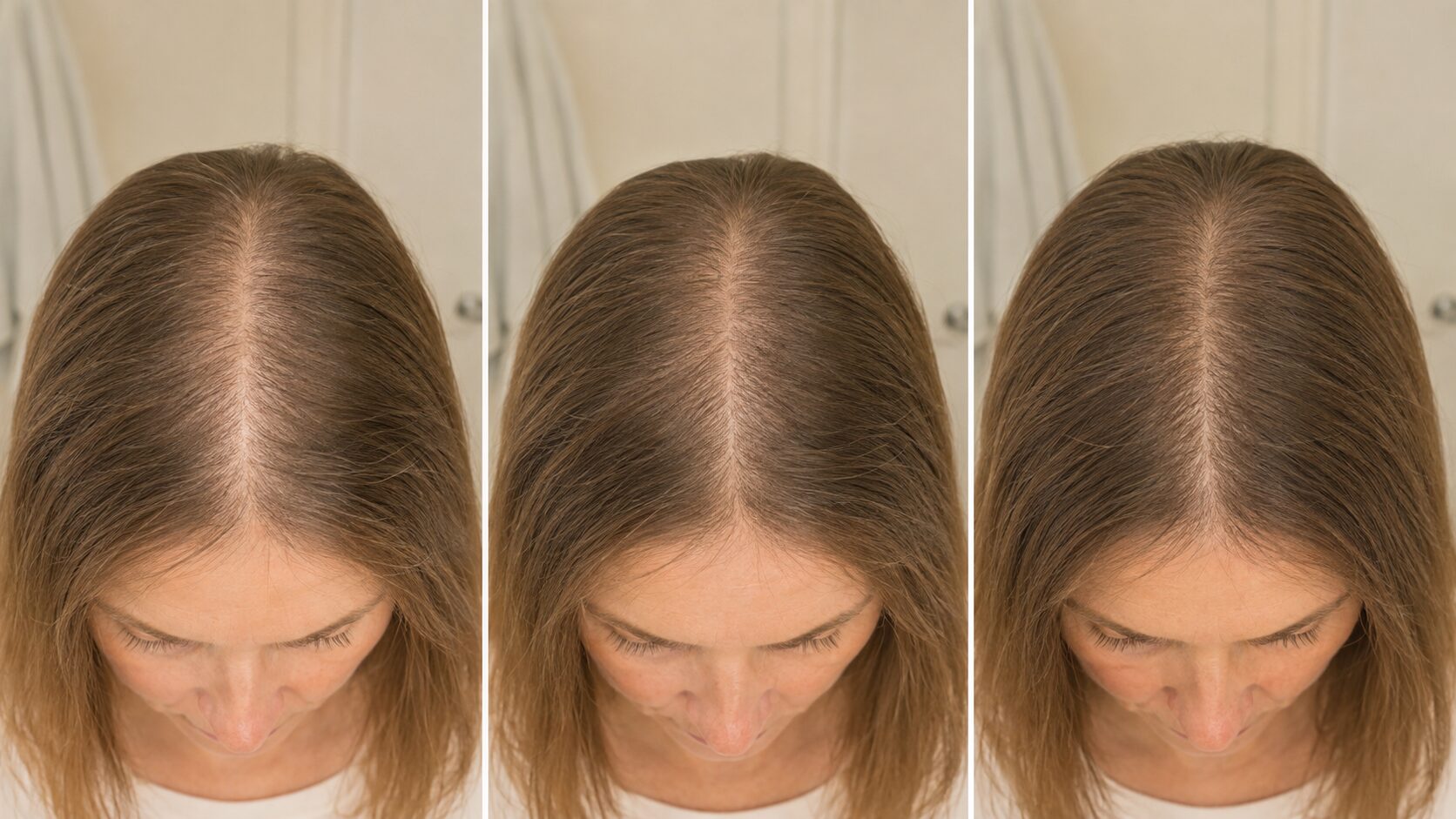
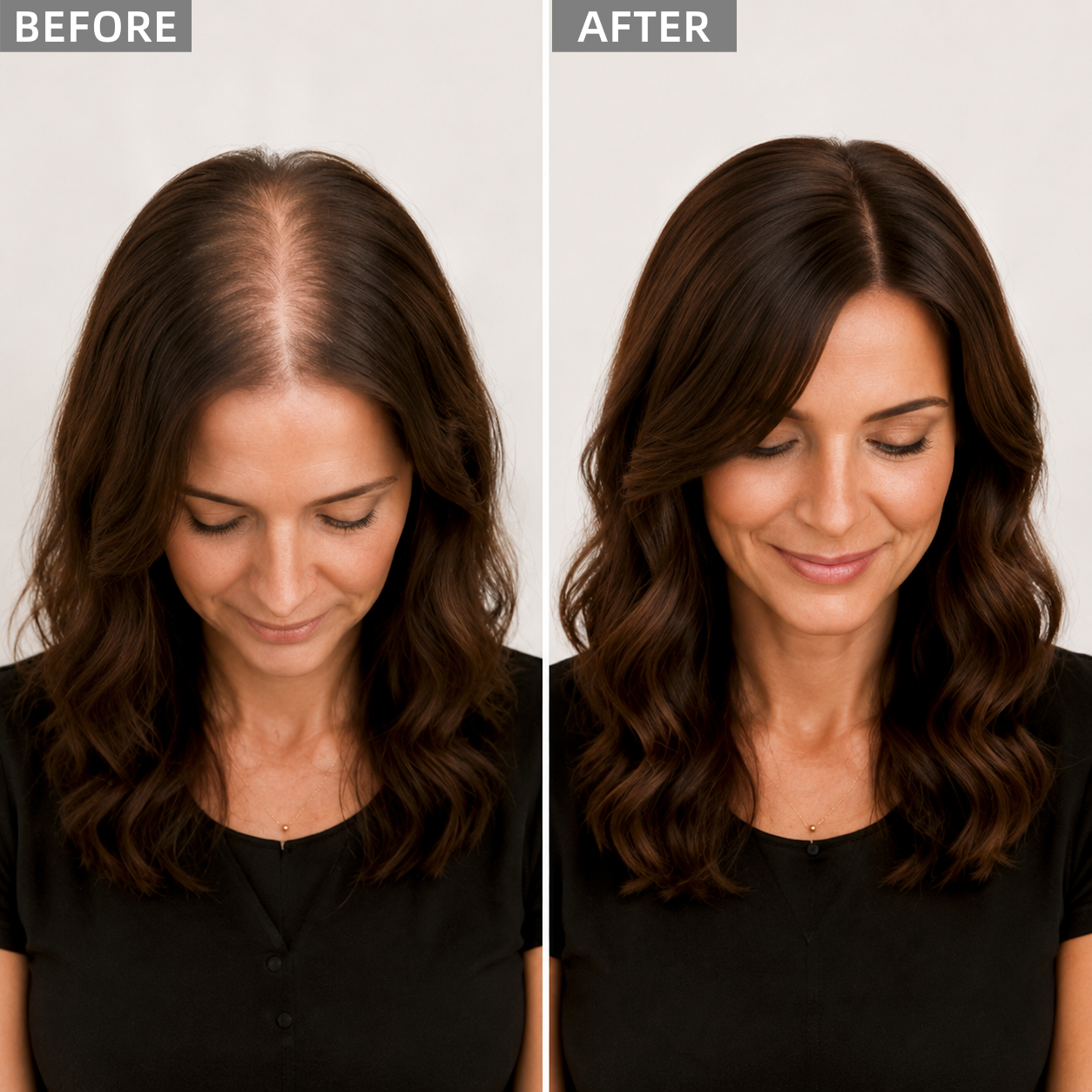
A widening centre part: often seen in female pattern hair loss, along with reduced ponytail thickness and finer strands.
Diffuse shedding: more hair coming from all over the scalp, sometimes beginning a few months after illness, surgery, childbirth, major stress, rapid weight loss or a medication change.
Round or oval patches: smooth, clearly defined areas can be a sign of alopecia areata and warrant professional assessment.
Receding temples or crown loss: classically associated with male pattern hair loss, although women can also experience thinning at the temples or frontal hairline.
Broken hairs around the hairline: may suggest heat, chemical or traction damage rather than shedding from the root.
About the pull test: clinicians sometimes use a standardised hair-pull test as one part of an examination. At-home versions are difficult to interpret because wash timing, hair texture, technique and recent grooming change the result. Treat it as an observation—not a diagnosis.
02 · Understand
Common causes of hair loss in Australian women
More than one condition can occur at the same time. For example, a woman with gradual female pattern hair loss may also experience temporary shedding after illness. This is one reason an accurate history and scalp examination matter.
Female pattern hair loss
This is a progressive, non-scarring form of hair loss. Typical signs include general thinning over the top of the scalp, a wider part and a smaller ponytail. The Australasian College of Dermatologists provides a clear overview of its appearance and management. View the ACD patient guide.
Telogen effluvium
This presents as increased diffuse shedding after the hair cycle is disrupted. Triggers can include illness, childbirth, psychological stress, nutritional deficiency or certain medicines. Chronic shedding can last longer than six months and may coexist with pattern hair loss. Learn about telogen effluvium.
Alopecia areata
An autoimmune condition that causes non-scarring loss, commonly in one or more patches. The scalp may look otherwise normal. Diagnosis is important because the course and treatment differ from pattern loss. Read the ACD overview.
Scalp inflammation and damage
Seborrhoeic dermatitis, psoriasis, infection or inflammatory scarring conditions can affect the scalp. Tight hairstyles, heavy extensions, bleach, heat and friction can also cause breakage or traction loss. Pain, burning, pustules or shiny scar-like areas require timely assessment.
Can dandruff cause hair loss?
Ordinary dandruff is not usually a direct cause of permanent hair loss. It is the visible shedding of scalp skin and may represent mild seborrhoeic dermatitis. However, intense itch and scratching can contribute to breakage, while marked inflammation may indicate another condition that deserves treatment. Healthdirect explains that dandruff can be associated with oil and scalp yeast, and that seborrhoeic dermatitis may produce red, itchy or scaly skin. See Healthdirect’s dandruff advice and seborrhoeic dermatitis guidance.
03 · Diagnose
When to seek dermatologist hair loss advice
Begin with your GP, who can review your health history, medications, menstrual or menopausal changes, recent illness, nutrition and family history. Depending on the pattern, your GP may examine the scalp, order targeted blood tests or refer you to a dermatologist. Not every person needs the same tests.
Arrange an appointment promptly if you notice:
sudden or rapidly progressing loss;
one or more bald patches, eyebrow loss or body-hair loss;
pain, burning, significant itch, redness, scale, pustules or crusting;
smooth, shiny or scar-like areas on the scalp;
hair loss with fatigue, unexplained weight change, menstrual changes or other new symptoms;
distress, anxiety or avoidance of social activities because of your hair.
Searching for “hair loss treatment Melbourne”? Choose an AHPRA-registered GP or dermatologist and ask who will make the diagnosis, which evidence supports the proposed treatment, what side effects and total costs to expect, and whether ongoing treatment is required. The Australasian College of Dermatologists explains how to see a dermatologist. The same principles apply anywhere in Australia.
04 · Treat
Evidence-based hair loss treatments
The best treatment depends on the diagnosis, your medical history, pregnancy plans, scalp condition and preferences. The options below are an overview, not a prescription.
Option
Where it may fit
Important considerations
Topical minoxidil
Commonly used for female pattern hair loss; may slow loss and support regrowth in some people.
Requires consistent, ongoing use; early shedding and scalp irritation can occur. Ask a pharmacist or doctor about suitability, especially if pregnant or breastfeeding.
Prescription medicines
A dermatologist may consider anti-androgen medicines for selected women or finasteride for selected men.
These require individual medical assessment and monitoring; pregnancy precautions can be critical.
Corticosteroid or other immune-directed treatment
May be used for alopecia areata or inflammatory scalp disease, depending on severity.
Must be guided by a qualified clinician after diagnosis.
Low-level light therapy or PRP
Sometimes offered as adjuncts.
Evidence, protocols, cost and expected benefit vary. Ask for diagnosis-specific evidence before committing.
Hair transplantation
May suit selected people with stable pattern loss and an adequate donor area.
It is surgery, with cost, recovery and procedural risks. It is not suitable for every cause of hair loss.
Healthdirect states that topical minoxidil is available for female pattern hair loss and must be continued to maintain its effect. It also outlines prescription anti-androgen options that a clinician may consider. Review Healthdirect’s alopecia treatment overview. Before buying a medicine online, check whether it is included in the Australian Register of Therapeutic Goods.
Be cautious with dramatic timelines. Hair grows slowly and clinical improvement is usually assessed over months, not days. Before-and-after photos should use the same lighting, angle, hairstyle and hair conditio.
05 · Support
Daily habits that support scalp and hair health
Daily care cannot reverse every medical cause of hair loss, but it can reduce avoidable breakage, improve comfort and help you notice meaningful changes.
Wash for your scalp type: cleanse often enough to control oil, sweat and product build-up. Use lukewarm water and your fingertips rather than scratching with nails.
Treat dandruff appropriately: ask a pharmacist or GP about an anti-dandruff shampoo if flakes and itch persist. Seek care for severe redness, thick scale or sores.
Reduce mechanical stress: rotate hairstyles, avoid tight ponytails and position topper clips away from fragile areas where possible.
Limit chemical and heat damage: space out bleach or colour services, use heat protection and avoid repeated high-temperature passes.
Eat adequately: prioritise protein-rich foods and a varied diet. Avoid self-prescribing high-dose iron, zinc or biotin unless deficiency has been identified; supplements can be unnecessary or harmful.
Track, do not obsess: take one set of photos monthly and note symptoms, illness, medication changes and menstrual or menopausal changes.
A simple, consistent routine is usually kinder than frequent product switching.
06 · Product roles
Where hair loss products fit—and where they do not
Shampoos and cosmetic scalp serums can support cleansing, manage the feel of dryness or oiliness, reduce breakage and improve the appearance of hair. Unless a product is an appropriately registered or listed therapeutic good with authorised claims, it should not be presented as a treatment for alopecia, follicle miniaturisation or a medical cause of hair loss.
Scalp-care support
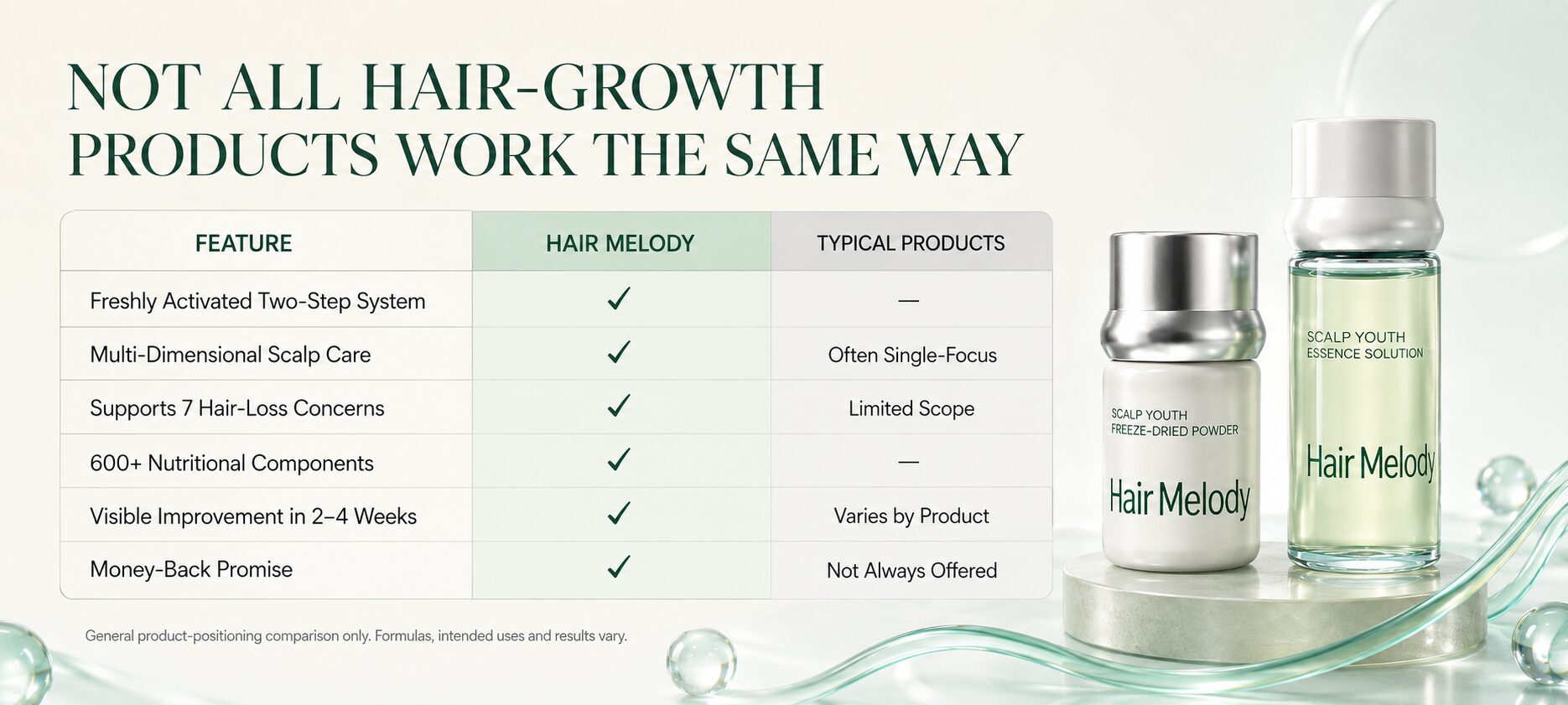
HairMelody Science Follicle Revival Serum
Position HairMelody within a consistent cosmetic scalp-care routine: apply only as directed to an intact scalp and discontinue if irritation develops. It may help condition the scalp and improve the cosmetic feel of the hair, depending on its verified ingredient list and substantiated product claims. It should sit alongside—not instead of diagnosis and evidence-based treatment.
We promise you will see improvement after 2-4 courses of treatment. If there are no results, we will offer a full refund.
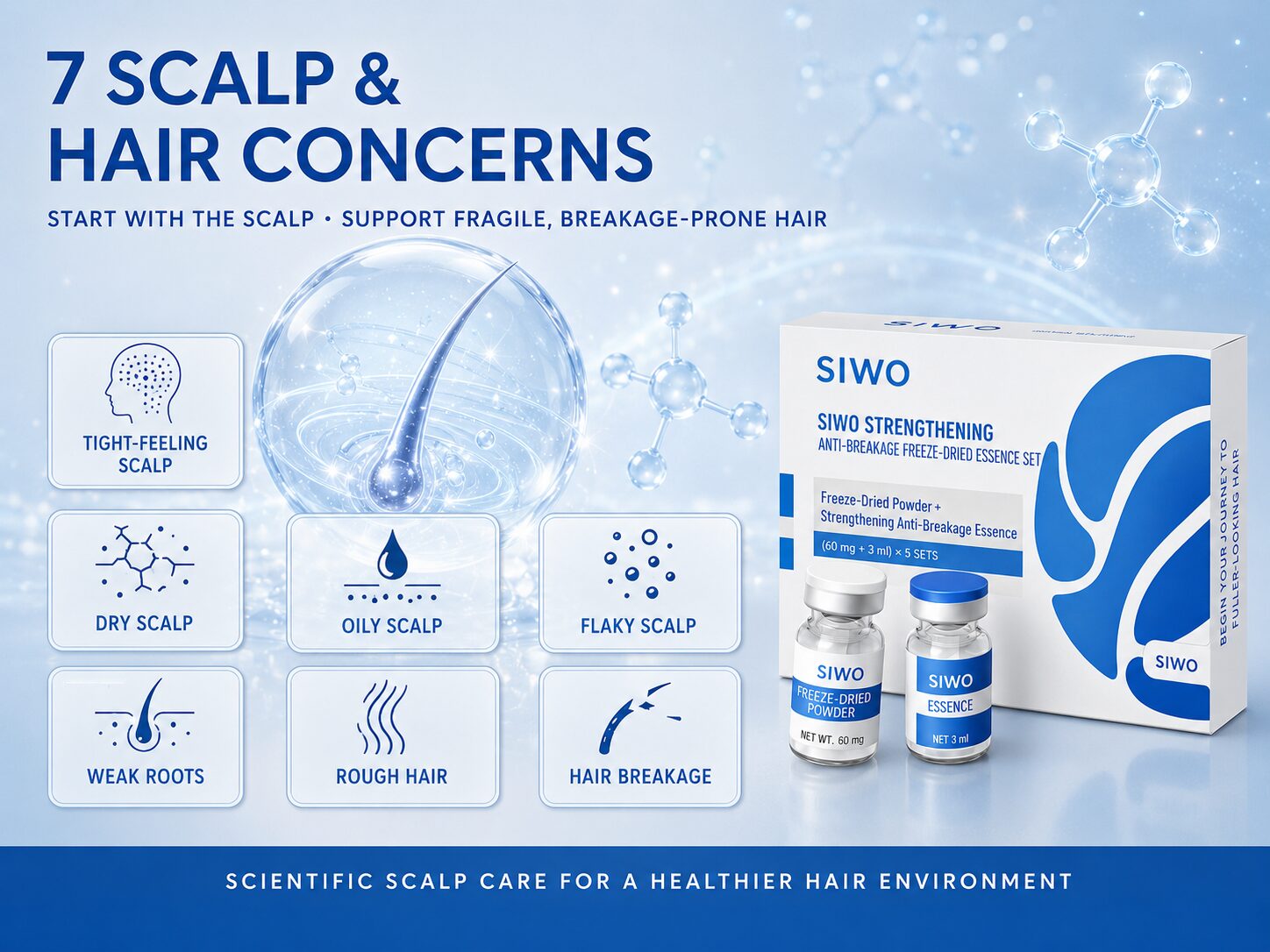
SIWO can be described as a precision-mixed cosmetic essence designed to condition the scalp and support the appearance and feel of stronger, healthier-looking hair—where those statements match the actual product evidence.
A suitable shampoo can remove oil, sweat and styling residue without leaving the scalp uncomfortably tight.A cosmetic shampoo can make hair look fuller by reducing residue and breakage.
Are wigs and toppers suitable for women with hair loss?
Yes. A well-chosen hairpiece can provide immediate coverage without requiring you to pause medical assessment or wait for a treatment response. Healthdirect includes wigs, scarves and hats among the options used to mask hair loss. See Healthdirect’s overview of cosmetic and medical options.
Your needs
Consider
Why
Fit notes
Widening part or mild crown thinning with enough hair for blending
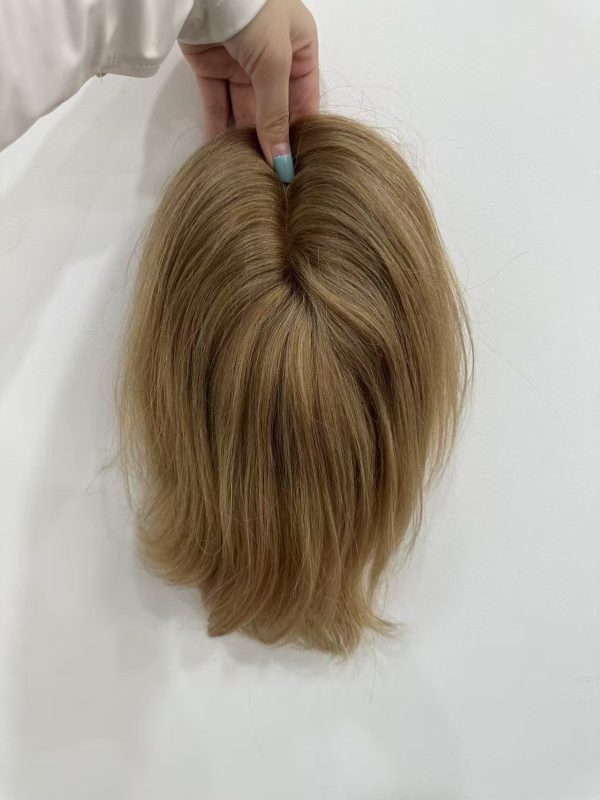
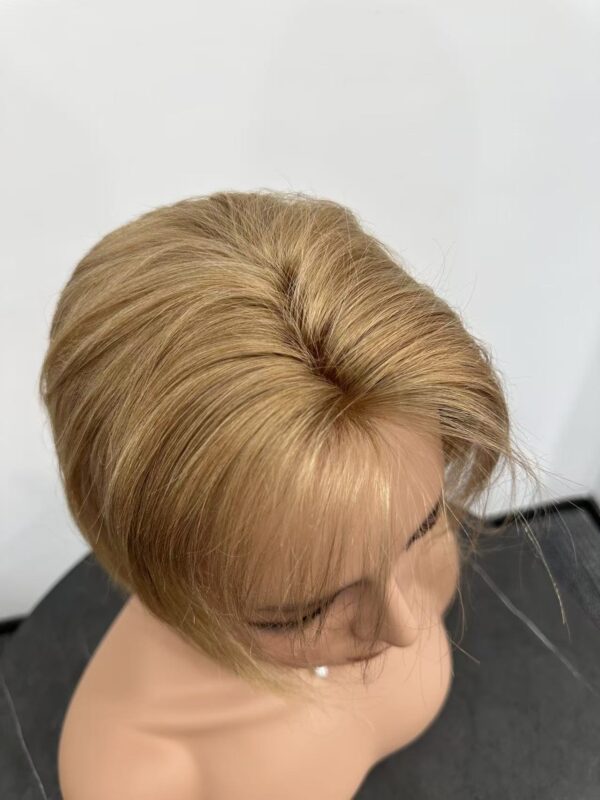
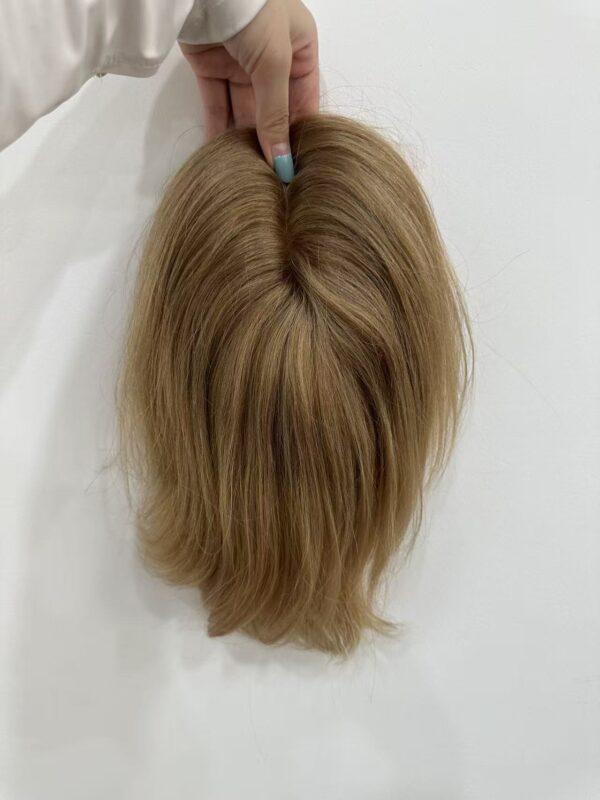
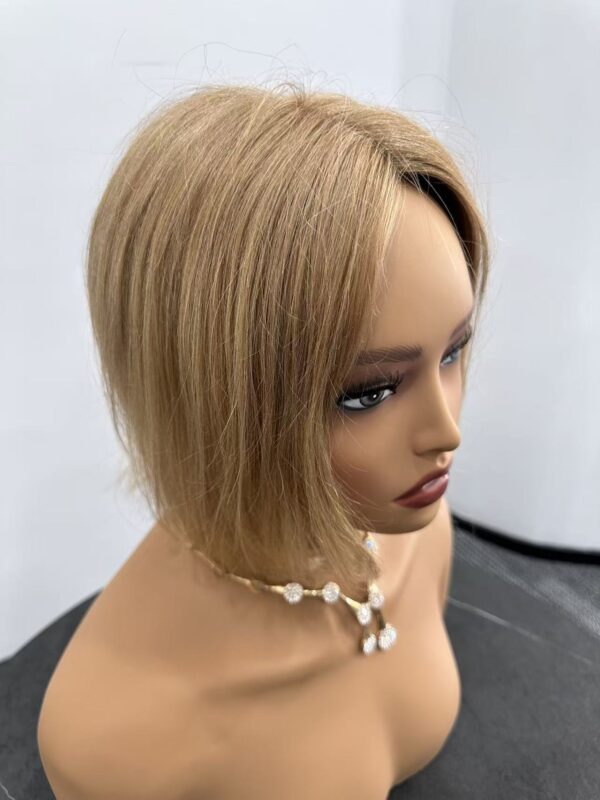
Hair topper
Adds targeted coverage and volume while leaving much of your own hair exposed.
Choose a base large enough to extend beyond the sparse area; avoid clipping repeatedly into fragile hair.
Diffuse or advanced thinning, extensive patches or complete loss
Full wig
Provides consistent coverage across the scalp and allows a complete style change.
Prioritise correct circumference, adjustable fit, low-friction materials and a breathable cap.
Sensitive scalp during treatment or after hair loss
Lightweight cap or grip system
Can reduce reliance on clips or adhesive.
Ask your clinical team when the scalp is tender, broken or healing.
Will a wig worsen hair loss?
A wig does not inherently cause hair loss. Problems are more likely when a piece is too tight, clips pull on weak strands, adhesives irritate the skin, or the scalp stays damp and unclean. Stop wearing the piece and seek advice if you develop pain, persistent redness, sores or increasing breakage.
Choosing a natural result
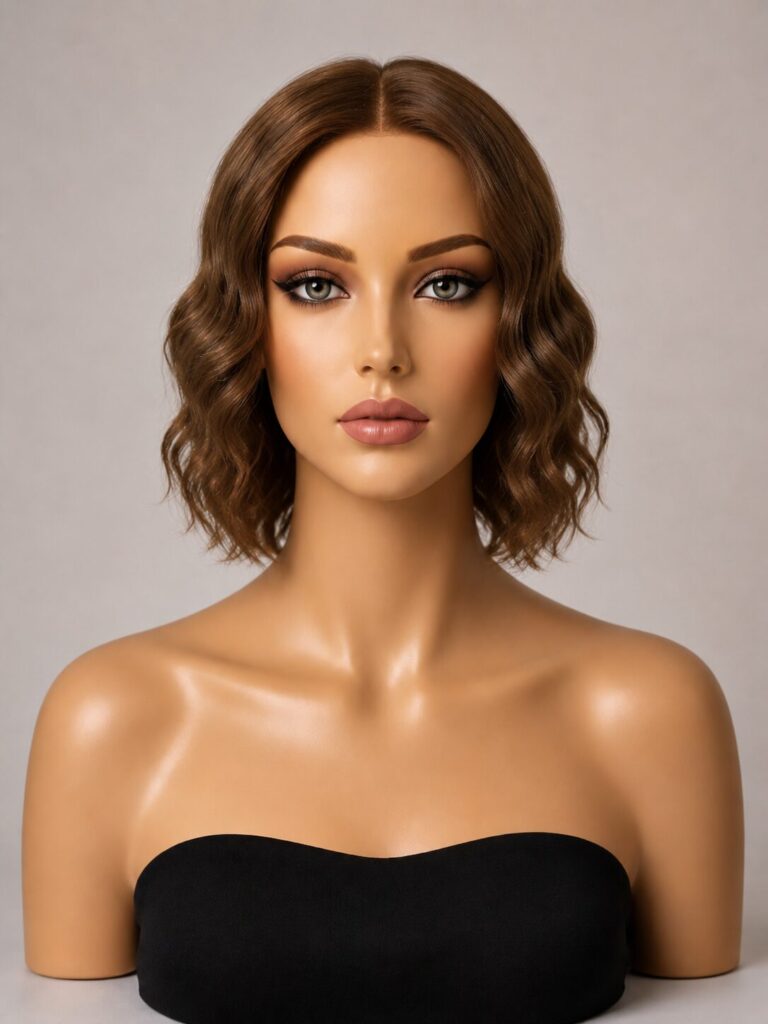
Match density before colour: realistic density often matters more than maximum volume.
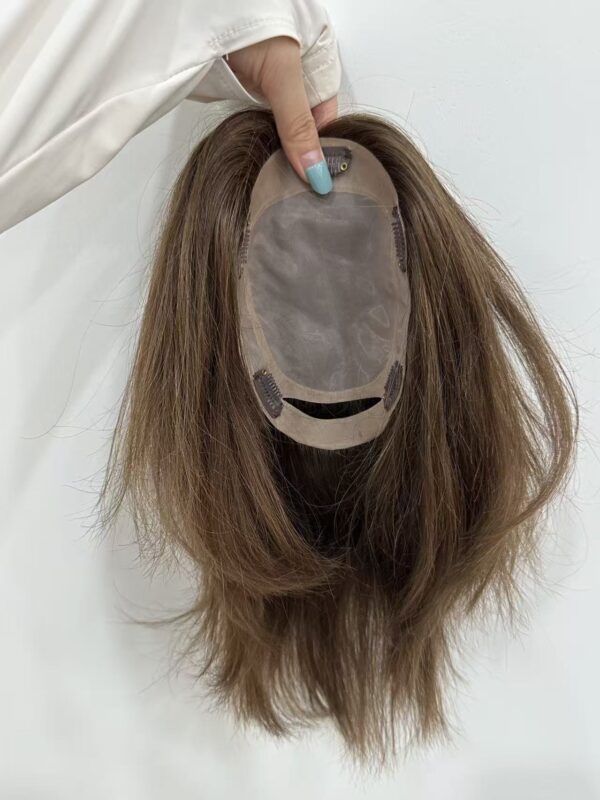
Choose the right base: lace or monofilament areas can create the appearance of a natural part, while closed wefts may provide structure.
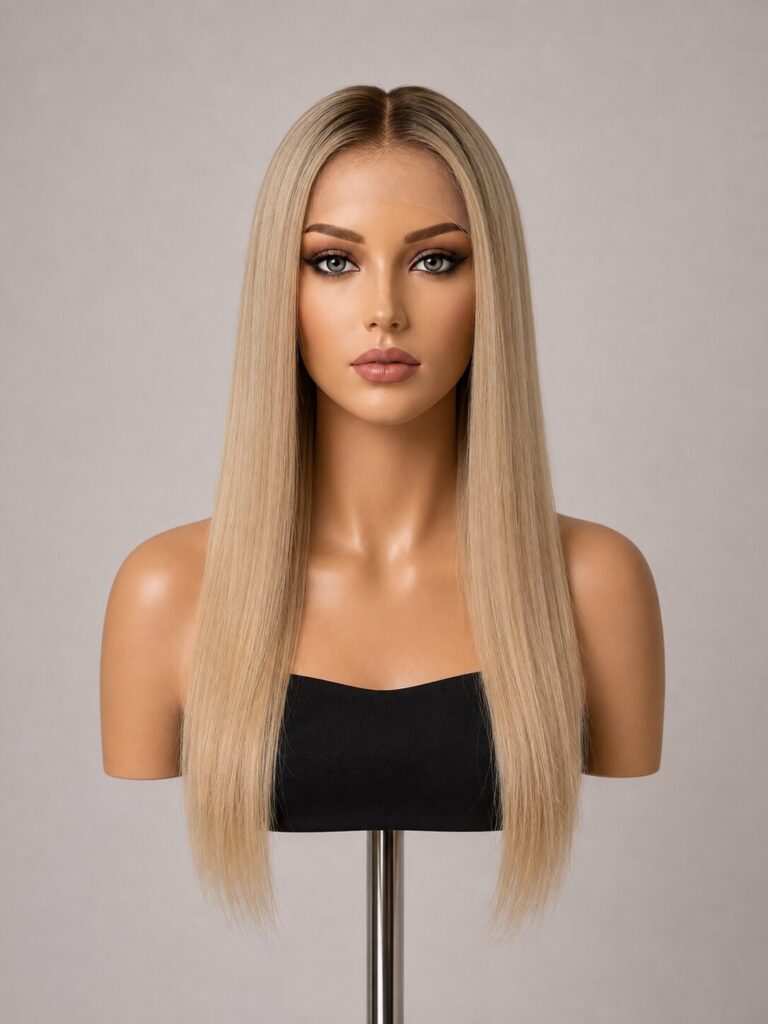
Consider human hair: it offers styling flexibility and natural movement, but needs washing, conditioning and heat protection.
Book a fit check: circumference, ear-tab position, crown depth and attachment method affect comfort as much as the hair itself.
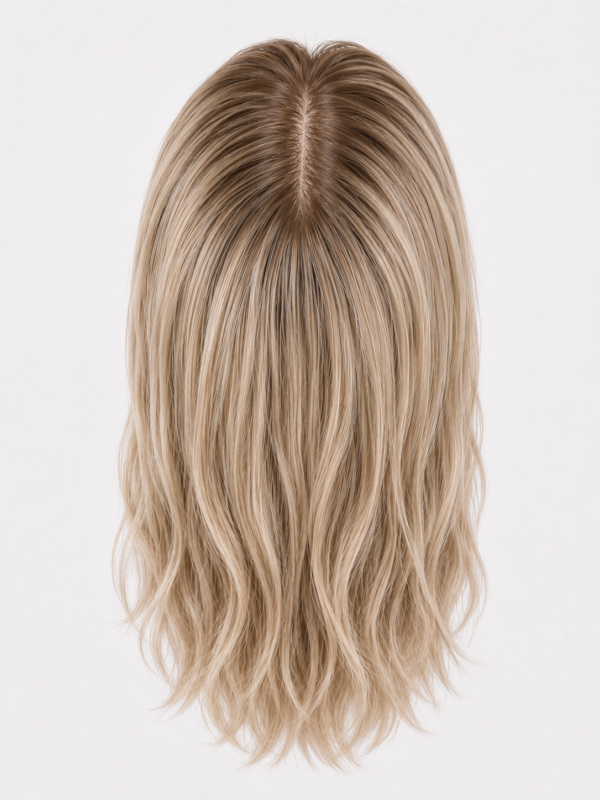
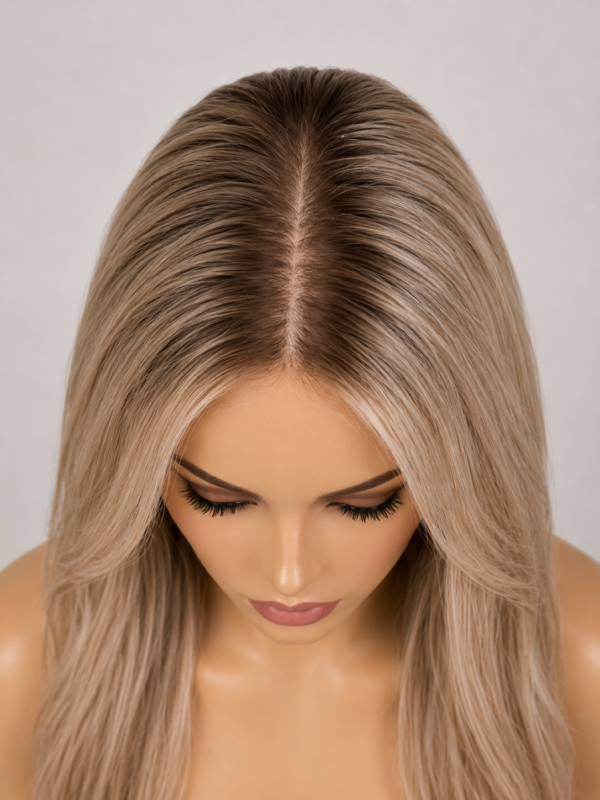
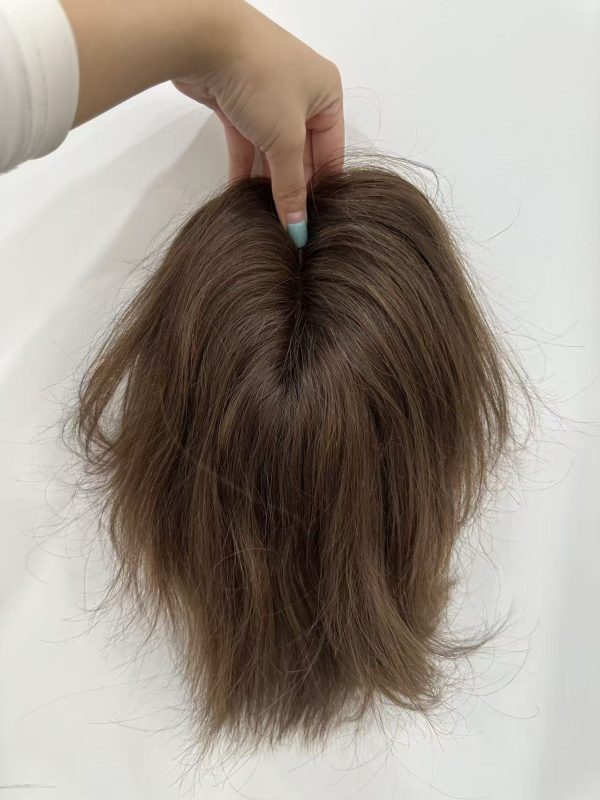
A topper blends with existing hair; a wig gives full-scalp coverage.
Still struggling to decide which wig to buy? Our professional team is here to guide you.
Wattle & Lace helps,In Brisbane, Wattle & Lace offers in-home fitting services, allowing you to choose your favorite wig without leaving home.
Document your baseline. Photograph your centre part, temples and crown once in consistent lighting. Note when shedding began and any scalp symptoms.
Book an assessment. Start with your GP; ask for dermatologist referral if the diagnosis is uncertain, symptoms are concerning or initial management is not helping.
Choose diagnosis-led treatment. Discuss benefits, side effects, pregnancy considerations, cost and how long you will need to continue.
Keep care gentle. Use a comfortable cleansing routine, address dandruff or inflammation, reduce tension and avoid stacking many new products at once.
Use cosmetic support if you want it. A Wattle & Lace topper or wig can restore visible density immediately while your medical plan takes its course.
Review at sensible intervals. Compare monthly photos and follow your clinician’s timeframe rather than changing course after a few days.
Private, pressure-free help choosing your coverage
Wattle & Lace helps Australian women compare topper base size, wig fit, density, colour and attachment options. We do not diagnose hair loss; we help you choose a natural-looking cosmetic solution that respects your scalp, lifestyle and confidence.
Around 100 shed hairs a day can be normal, but counting precisely is difficult. Pay attention to a sustained increase from your usual shedding, a wider part, reduced ponytail thickness or visible scalp. Speak with a GP if you are concerned.
Can dandruff cause hair loss?
Dandruff itself does not usually cause permanent hair loss. Severe itch and scratching may contribute to breakage, and inflamed or scaly skin may be seborrhoeic dermatitis or another scalp condition. Seek advice if symptoms are marked or hair loss continues.
Should I see a dermatologist for hair loss?
Yes, particularly for sudden, patchy, painful, scarring or rapidly worsening hair loss, or when the diagnosis is unclear. A GP can often perform the initial assessment and organise a referral.
Is female pattern hair loss the same as male pattern hair loss?
Both are forms of androgenetic alopecia, but the visible pattern often differs. Women more commonly develop diffuse thinning over the top and a widening part; men more often develop temple recession and crown loss. Individual patterns vary.
What hair loss products actually work?
Effectiveness depends on the diagnosis. Topical minoxidil has recognised use for pattern hair loss, while other medicines may be considered by a doctor. Shampoos and cosmetic serums can support scalp condition or hair appearance, but should not be assumed to treat a medical cause.
Can wearing a wig make my hair loss worse?
A correctly fitted, breathable wig should not directly cause hair loss. Excessive tension, tight clips, adhesive irritation and poor drying or hygiene can harm vulnerable hair or skin. Adjust or stop use if there is pain or redness.
Should I choose a topper or a full wig?
A topper is usually best when thinning is concentrated around the part or crown and there is enough existing hair for blending. A full wig may suit diffuse, advanced or complete hair loss. A fit consultation can help you compare both.
Can diet reverse hair loss?
Correcting a confirmed nutritional deficiency may help deficiency-related shedding, but extra supplements do not treat every cause. Discuss testing with your GP before taking high-dose iron, zinc or biotin.
Medical disclaimer: This article provides general education and does not diagnose or treat any condition. Product suitability and treatment decisions depend on individual circumstances. Speak with a qualified Australian health professional, especially if hair loss is sudden, patchy, painful, associated with scalp inflammation, or occurs during pregnancy, breastfeeding, cancer treatment or significant illness. For urgent medical help in Australia, call 000; for non-emergency advice, contact Healthdirect on 1800 022 222.
15 years of experience in the wig industry
Extensive experience in human hair wigs, wig construction, fit, hair quality and styling. Dedicated to helping women find natural-looking hair that feels comfortable and truly suits them.
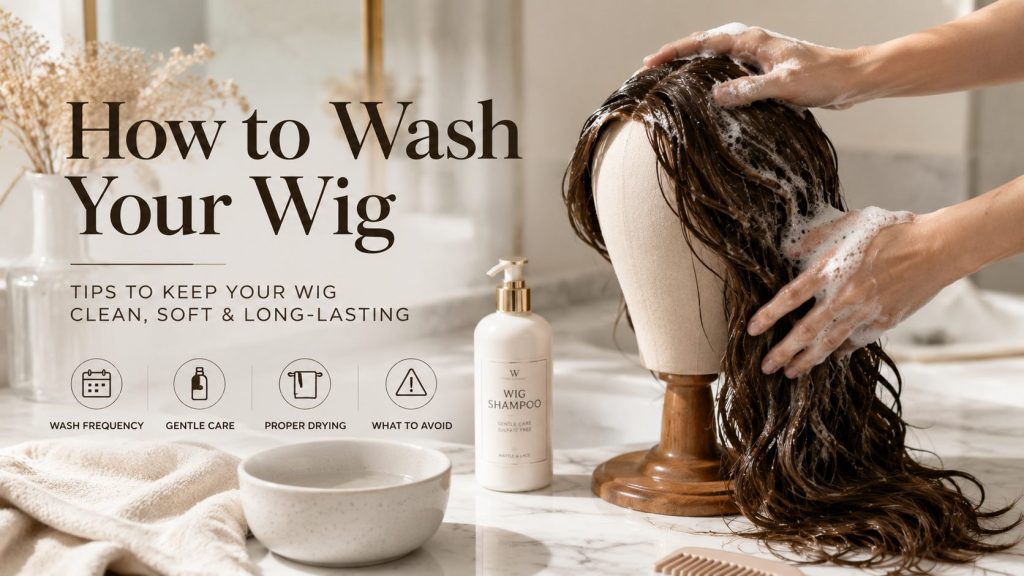
HOW TO WASH YOUR HUMAN HAIR WIG
Keep your wig soft, smooth and beautiful with the right care routine.A gentle step-by-step guide to cleaning and caring for vour human hair wig.
WHAT YOU’LL NEED
...
Discover how to choose the right hair topper for thinning hair, from base size and secure attachment to natural hairlines, colour matching and everyday care.
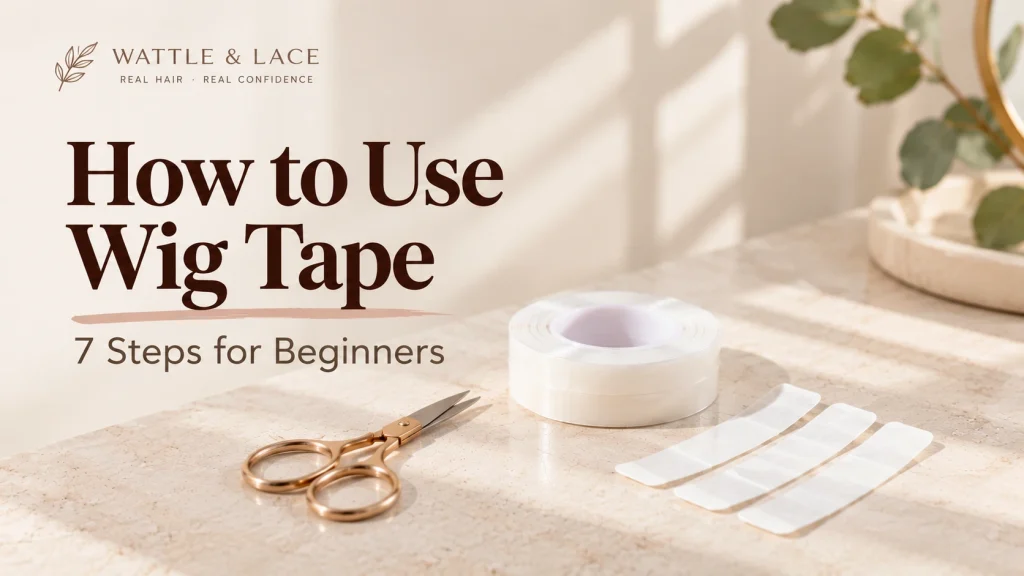
Using wig tape for the first time can feel fiddly. The strips are small, the lace needs to sit in exactly the right place, and once the tape touches your skin, repositioning can be difficult.
...
European Remy human hair is human hair described as originating from Europe, with the strands arranged so their cuticles face the same direction. The term combines two distinct descriptions: European refers to the stated...
What Is a Human Hair Wig?
Image source:European Human Hair Wig-Teagan wig
A human hair wig is made from real human hair, giving it the natural movement, texture and light reflection...
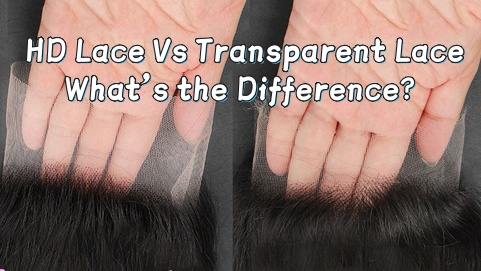
If you're shopping for a womens wig, you've probably seen HD lace and transparent lace listed as two different options. They can look almost identical in a product photo, which makes the choice a little confusing.
...
If you’ve been scrolling through dozens of tabs trying to figure out where to buy a decent piece of alternative hair, I get it. It’s overwhelming. Between dodgy overseas websites, glossy social media...
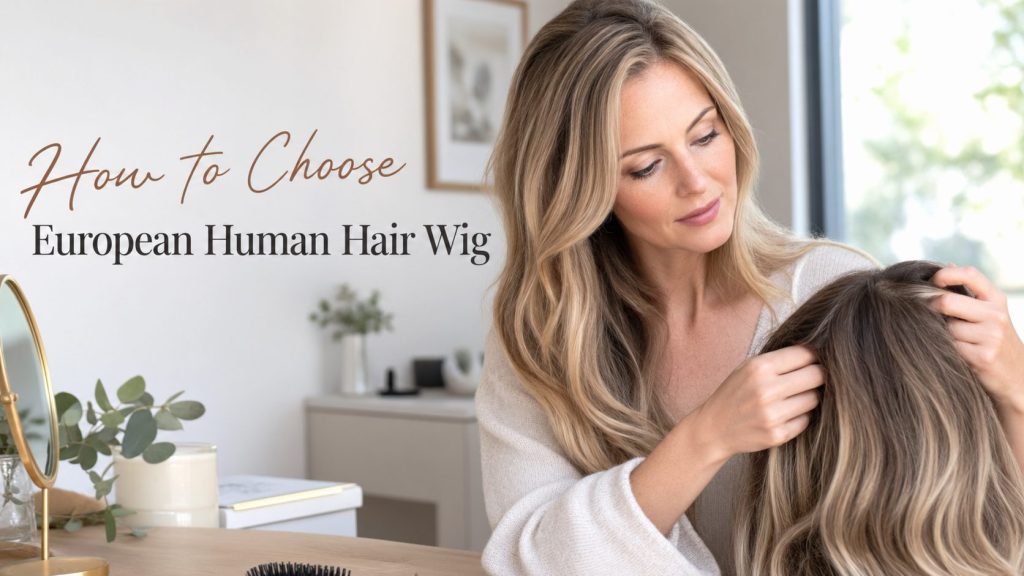
A beautiful wig should never look like you’re wearing a wig. The right colour, texture, density and fit can make all the difference to how natural and confident you feel. If you’re wondering how to choose a European huma...
WIG GUIDE
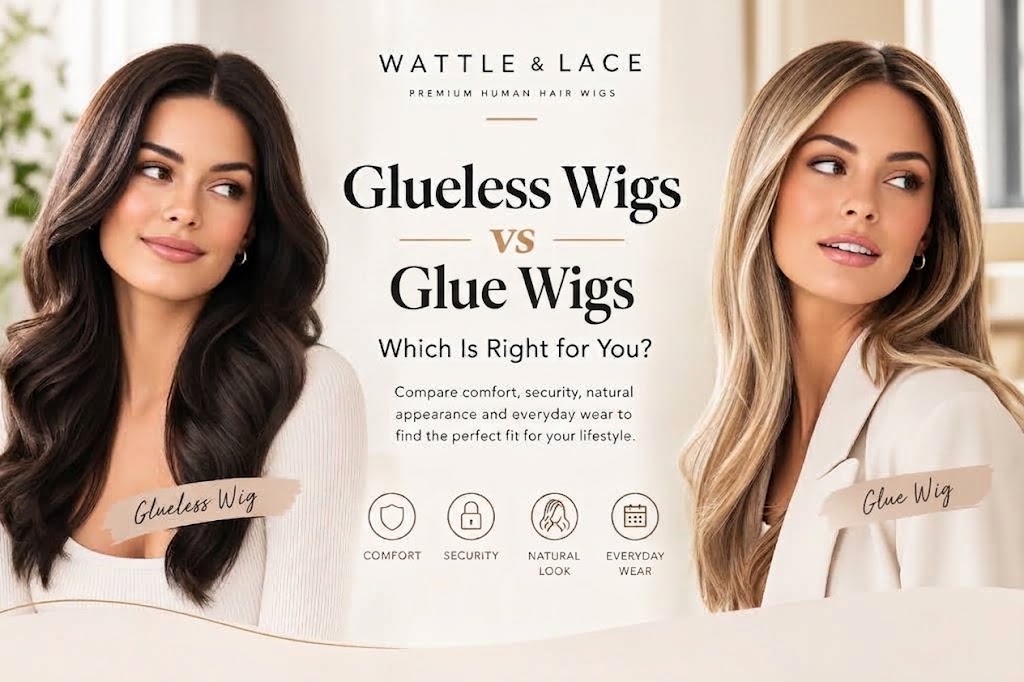
Choosing between a glueless wig and an lace glue for wigs comes down to more than how the wig stays on. Comfort, security, hairline appearance and your everyday routine all play a part.
If you prefer a wi...
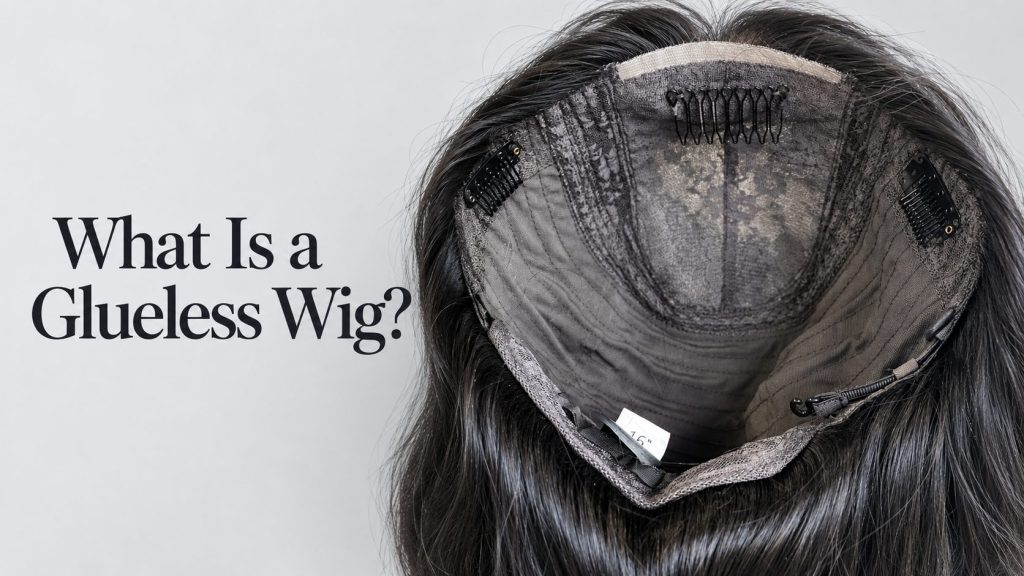
If you are new to wigs, you may have come across the term glueless wig and wondered how a wig can stay in place without glue. The answer is simpler than it sounds: a glueless wig is designed around the fit and constructi...
European human hair wigs are among the more premium options available in Australia, but there is no single price that applies to every wig. Length, hair quality, density, lace construction, cap design, colour and customi...