Yes, you can wear a wig to the beach. But there is a big difference between wearing a wig for a coastal walk, sitting under a beach umbrella, enjoying lunch by the water, and actually swimming in the ocean while wearing one.
For Australian women, beach days create a unique combination of challenges for wigs: strong UV exposure, salt water, wind, sweat, sand, humidity and frequent movement. The right preparation can make your wig look natural and comfortable without turning a relaxing day at the beach into a hair emergency.
This guide explains what to do before, during and after a beach day, including how to choose a wig, how to secure it against wind, whether human hair wigs can go into salt water, how to protect the hairline and what to do if your wig gets wet.
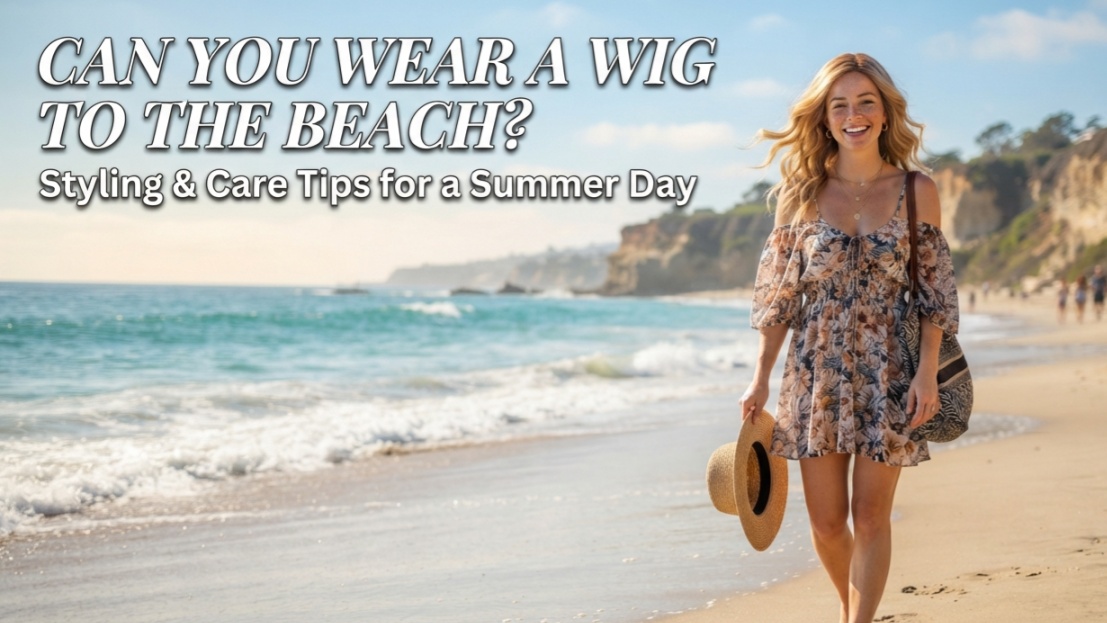
Can You Wear a Wig to the Beach?
Absolutely. A wig can be a practical option for a beach day, especially if you want consistent coverage, a styled appearance or extra confidence when natural hair is affected by humidity, wind or thinning.
However, a wig is not designed to behave exactly like natural growing hair. The biggest mistake is treating a wig as completely maintenance-free. Once you add salt water, sunscreen, sweat, sand and strong sunlight, the hair needs more attention.
Our general rule is simple:
Beach lifestyle: Yes. Sitting by the water, walking along the sand, enjoying a café or taking photos can all be wig-friendly.
Swimming: Possible, but not ideal for a valuable wig. If you plan to swim regularly, use a wig specifically suitable for water exposure rather than risking your favourite premium unit.
This distinction matters because the real question is not simply “Can I wear a wig to the beach?” It is “What will I be doing at the beach, and how much exposure will my wig have?”
What Can Damage a Wig at the Beach?
1. UV Exposure
Extended sunlight can contribute to dryness, colour fading and a rougher hair feel, particularly in processed or coloured hair. Your scalp and face also need proper sun protection.
2. Salt Water
Salt water can leave hair feeling dry and stiff after it evaporates. If salt is left in the hair, detangling can also become more difficult.
3. Wind
Wind is often a bigger practical problem than the ocean. It can expose the wig edge, move the hairline and create tangling around the nape.
4. Sand
Fine sand can become trapped around the lace, cap, clips and hair strands. Trying to brush it out aggressively can cause unnecessary shedding.
5. Sweat & Humidity
Heat and sweat can make a wig feel less secure and may make the scalp area uncomfortable, especially when the cap is tight or poorly ventilated.
6. Chlorinated Water
A swimming pool introduces a different problem: chlorine and other pool chemicals can be harsh on hair fibres and may affect colour, softness and longevity.
The important point is that these factors often work together. A windy beach day followed by swimming, followed by drying in direct sunlight, is considerably more demanding than simply wearing your wig for a two-hour coastal lunch.
Looking for a Wig That Fits Your Lifestyle?
From natural-looking human hair wigs to lightweight everyday styles, choosing the right wig starts with understanding your hair goals, comfort needs and lifestyle.
Speak with a wig specialist about the right length, cap construction, fit and maintenance routine for you.
Human hair wigs are often preferred by women who want the most natural movement and styling flexibility. They can behave more like natural hair and can generally be restyled after washing and drying.
But “human hair” does not mean “immune to damage”. A human hair wig can still become dry, tangled or faded after repeated exposure to salt water, chlorine, UV and heat.
If your priority is a natural appearance for a beachside lunch, coastal holiday or summer event, a quality human hair wig can be an excellent choice. If your priority is frequent ocean swimming, however, consider whether you really want to expose a premium wig to repeated salt water and physical stress.
Our view: Think of your favourite human hair wig as an investment piece, not a disposable swimming accessory. For occasional beach wear, protect it. For frequent swimming, consider a separate, lower-maintenance option.
Can You Swim in the Ocean While Wearing a Wig?
You technically can, but it is not something we would recommend doing with your best everyday wig unless the wig and attachment method are specifically designed for water activities.
Once a wig becomes completely wet, several things change:
The hair becomes heavier.
Wind and water movement can put additional stress on the attachment.
Salt can dry onto the hair as the water evaporates.
Hair can tangle more easily, especially at the nape.
The lace and cap may take longer to dry completely.
Repeated wetting and drying can shorten the useful life of the hair.
If swimming is part of your plan, secure the wig before entering the water and avoid styles that allow long loose hair to move freely. A shorter, controlled style is generally easier to manage than very long hair.
Important: Never assume that a wig is waterproof simply because it is made from human hair. The hair itself is only one component. The lace, knots, cap construction, adhesives, clips and attachment method all affect how the wig behaves in water.
How to Keep Your Wig Secure on a Windy Beach
If there is one thing we would never underestimate at the beach, it is wind.
Even a perfectly fitted wig can move if strong coastal wind gets underneath the front edge. This is especially noticeable with lace-front styles because the exposed hairline is designed to look natural rather than withstand strong wind from every direction.
Start with the right fit
A properly sized wig should sit securely without creating excessive pressure. If the cap is too loose, no amount of styling will completely solve the problem. If it is too tight, you may experience discomfort during a long summer day.
Use the appropriate attachment method
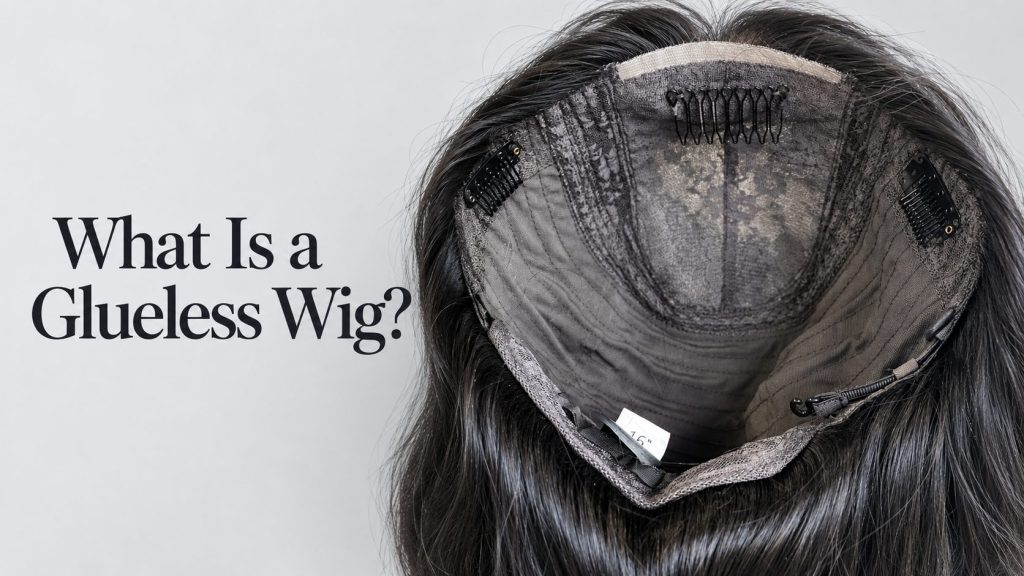
Depending on the construction of the wig and your personal preference, options may include adjustable straps, combs, clips, wig grips or adhesive systems. The best choice depends on your wig construction, scalp comfort and how active you expect to be.
Choose a beach-friendly hairstyle
Long, loose hair looks beautiful in photographs, but it is also more likely to tangle in wind. A low ponytail, loose braid or controlled low bun can reduce movement and make post-beach care easier.
Beach styling insight: If you know the weather will be windy, do not wait until the wig starts moving to think about security. Build the attachment and hairstyle around the conditions before leaving home.
Should You Wear a Hat Over Your Wig?
A hat can be one of the easiest accessories for a beach day, but choose the style carefully.
A wide-brimmed hat can complement a wig beautifully while also providing additional shade. However, a hat should not be used as a substitute for proper sun protection. In Australia, UV can remain high even when the temperature feels comfortable or the sky looks cloudy.
When UV levels are 3 or above, Australian sun-safety guidance recommends combining protective clothing, SPF 50 or higher broad-spectrum water-resistant sunscreen, a broad-brimmed hat, shade and sunglasses.
For wig wearers, this has an additional benefit: less direct sunlight on the hair can help reduce unnecessary exposure to the wig itself.
Tip: Leave enough room inside the hat so it does not press heavily against the wig or disturb the hairline.
How Should You Prepare Your Wig Before Going to the Beach?
Start with clean, fully dry hair. A clean wig is easier to style and less likely to attract sand and product buildup.
Detangle gently. Work from the ends upward using a suitable wig brush or wide-tooth comb.
Choose a controlled style. Avoid complicated styles that will be difficult to recreate after wind exposure.
Check the attachment. Make sure straps, clips or other attachment systems are correctly positioned.
Prepare a scarf or hat. It can be useful if the wind becomes stronger than expected.
Pack a wide-tooth comb. Do not wait until severe tangling has developed before detangling.
Take a clean towel. A towel should be used to gently blot moisture rather than aggressively rubbing the hair.
Bring a breathable storage bag. If you remove the wig, avoid sealing a damp wig inside an airtight plastic bag.
What Should You Do If Your Wig Gets Wet at the Beach?
Do not panic and do not start brushing aggressively while the hair is saturated.
If your wig gets wet from sea spray, rain or swimming:
Gently blot excess water with a clean towel.
Do not twist, wring or rub the hair.
Remove visible sand carefully with your fingers.
Rinse with clean, fresh water as soon as practical if the wig has been exposed to salt water or chlorine.
Apply a suitable wig shampoo when a proper wash is needed.
Condition the lengths if recommended for your wig type.
Allow the wig to dry naturally in a ventilated area.
Detangle gently once the hair is in a manageable condition.
Avoid high heat immediately after beach exposure. A hair dryer, straightener or curling iron can add unnecessary stress to hair that is already dry from environmental exposure. If heat styling is necessary, use appropriate heat protection and the lowest practical temperature.
Speak with a wig specialist about the right length, cap construction, fit and maintenance routine for you.
Beach residue should be dealt with early rather than allowing it to accumulate.
Salt water
Fresh water should be used to remove salt residue. Salt left on the hair can contribute to a dry, rough feel and can make tangling more noticeable.
Sand
Never attack sandy hair with a stiff brush. Shake out loose sand first, then use your fingers to separate larger particles before gently detangling.
Sweat
If the inside of the cap becomes sweaty, allow it to dry properly after wear. Regular cleaning of the cap and attachment area is particularly important for comfort.
Sunscreen and styling products
If product residue has transferred to the wig, a proper wash is usually more effective than repeatedly adding dry shampoo or other styling products.
Human Hair vs Synthetic Wig for a Beach Day
Consideration
Human Hair Wig
Synthetic Wig
Natural movement
Usually more natural and responsive to styling
Depends heavily on fibre quality and construction
Heat styling
Generally offers more styling flexibility
Many fibres have heat limitations
Salt water exposure
Can be affected by dryness and tangling
Can also be affected; fibre-specific care is essential
Beach photography
Excellent natural movement
Can look very natural when high-quality fibres are used
Frequent swimming
Not ideal for a premium everyday unit
May be more practical for some users, depending on fibre and construction
Long-term investment
Can be an excellent investment with proper care
Often chosen for convenience and lower styling demands
There is no universal “best beach wig”. The better choice depends on whether your day involves swimming, sightseeing, photography, relaxing, walking or simply wanting to feel confident without worrying about your natural hair.
What Wig Style Is Best for the Beach?
For most women, the best beach wig is not necessarily the longest or most glamorous one. It is the style that remains manageable when exposed to wind and humidity.
Shoulder-Length Styles
A practical balance between movement and manageability. They are easier to detangle than very long hair.
Soft Waves
Natural-looking waves can work particularly well at the beach because slight movement does not necessarily make the style look messy.
Low Ponytail
A controlled style can reduce tangling around the nape and keep hair away from your face on windy days.
Loose Braid
A relaxed braid is practical for travel and beach activities while still looking feminine and polished.
Very long, heavily layered or highly styled wigs can still be worn, but they usually require more maintenance after exposure to wind and water.
How to Choose a Wig for an Australian Summer
If you live in Australia, climate should be part of your wig-buying decision. A wig that feels comfortable indoors may feel very different during a warm summer afternoon.
When comparing options at a wig shop, pay attention to more than colour and length.
Cap construction: Look for a construction that feels comfortable and breathable for your needs.
Weight: Lighter designs can feel more comfortable during warm weather.
Fit: A secure fit is particularly important when exposed to coastal wind.
Hairline: Consider whether the front construction works with your preferred hairstyle.
Length: Consider how much detangling you are prepared to do.
Colour: If you spend significant time outdoors, consider how you will maintain the colour over time.
Maintenance: Ask how the wig should be washed, dried, stored and styled.
A good wig consultation should focus on your lifestyle rather than simply selling you the most expensive wig.
What NOT to Do With Your Wig at the Beach
Do not aggressively brush wet, sandy hair.
Do not leave a wet wig sealed inside a plastic bag.
Do not use excessive heat to dry it quickly.
Do not assume a human hair wig is waterproof.
Do not apply sunscreen directly to the hair as a substitute for sun protection.
Do not ignore the wig cap if it becomes sweaty or damp.
Do not test a new attachment system for the first time on a windy beach.
Do not leave your wig exposed to unnecessary direct sun for hours when shade is available.
How Often Should You Wash a Wig After Going to the Beach?
There is no universal number of days because the answer depends on what happened during your beach visit.
If you simply wore the wig for a few hours while walking and never exposed it to water, a full wash may not be necessary immediately.
If the wig was exposed to salt water, chlorine, heavy sweating, sunscreen residue or significant sand, cleaning it sooner is usually the better approach.
Always follow the care instructions for your particular wig. Different hair fibres, cap materials and construction methods can have different maintenance requirements.
How to Make Your Wig Last Longer During Australian Summer
Longevity comes down to reducing unnecessary stress rather than trying to “repair” the wig after every difficult beach day.
Rotate between wigs if you wear wigs frequently.
Keep your most valuable wig away from unnecessary swimming.
Rinse salt or chlorine exposure with fresh water promptly.
Use gentle detangling techniques.
Avoid excessive heat styling.
Store the wig properly when not in use.
Keep it away from prolonged direct sunlight when possible.
Follow the manufacturer's recommended washing routine.
Think of wig care like skincare: consistent, gentle maintenance is usually better than waiting until a problem becomes obvious.
Beach Wig FAQ
Can I wear my human hair wig to the beach?
Yes. A human hair wig can be worn to the beach, especially for walking, relaxing, dining or taking photos. However, prolonged exposure to salt water, chlorine, UV, wind and sand can affect the hair, so preparation and aftercare are important.
Can I swim in the ocean wearing my wig?
You can, but it is generally better to avoid exposing a premium everyday wig to repeated salt water. If swimming is essential, use a suitable attachment method and rinse the wig with fresh water afterwards.
Will salt water damage a human hair wig?
Repeated salt-water exposure can leave human hair feeling dry and can increase tangling. The risk depends on the hair quality, processing, exposure time and how quickly the wig is rinsed and conditioned afterwards.
Can I wear a lace-front wig on a windy beach?
Yes, but the fit and attachment method become particularly important. Test the wig beforehand and consider a controlled hairstyle or hat when conditions are windy.
Should I wear a hat over my wig?
A suitable wide-brimmed hat can be a practical addition to a beach outfit and can provide extra shade. Make sure it does not put excessive pressure on the wig or disturb the hairline.
Can sunscreen damage my wig?
Sunscreen should be used on your skin according to its instructions, but it does not need to be applied directly to the wig hair. Oily skincare products can transfer onto the hair or lace, so allow products to settle before fitting your wig when possible.
What is the best wig length for the beach?
There is no single best length, but shoulder-length and medium-length styles are often easier to manage in wind and humidity than very long wigs. Your preferred hairstyle and maintenance routine should also influence the decision.
Can I wear a synthetic wig to the beach?
Yes. Synthetic wigs can be practical for beach wear, but care requirements depend on the specific fibre. Always check the manufacturer's instructions regarding heat, UV exposure, water and styling.
How do I remove sand from my wig?
Let loose sand fall away first, then separate larger particles with your fingers. Avoid aggressive brushing, especially when the hair is wet, because this can increase tangling and shedding.
Should I wash my wig after swimming?
If the wig has been exposed to salt water or chlorinated pool water, rinsing it thoroughly with fresh water is a sensible first step. Whether a full wash is required depends on the amount of exposure and the wig's care instructions.
Where can I buy a beach-friendly wig in Australia?
Look for an Australian wig shop that can advise you on cap construction, fit, hair type, maintenance and your intended lifestyle. A good consultation should consider how you actually plan to wear the wig rather than recommending a style based only on appearance.
Our Final Beach-Wig Advice
A beach day does not mean you have to give up wearing the hairstyle that makes you feel confident.
The key is to separate wearing a wig at the beach from putting your favourite wig through repeated swimming, salt water and high UV exposure. Those are two very different situations.
For most Australian women, the smartest approach is simple: choose a secure and comfortable wig, keep the hairstyle manageable, protect yourself from UV, avoid unnecessary water exposure, rinse the hair after salt or chlorine contact, and give the wig time to dry properly.
And when you are choosing a new wig, think beyond the mirror. Tell your wig specialist how you actually live: whether you walk along the coast, spend weekends at the beach, swim regularly, travel during summer or simply want a natural-looking style for outdoor occasions.
The best wig is not simply the one that looks beautiful in the product photo. It is the one that fits your lifestyle, feels secure on your head and remains manageable after real Australian days outdoors.
Looking for a Wig That Fits Your Lifestyle?
From natural-looking human hair wigs to lightweight everyday styles, choosing the right wig starts with understanding your hair goals, comfort needs and lifestyle.
Speak with a wig specialist about the right length, cap construction, fit and maintenance routine for you.
15 years of experience in the wig industry
Extensive experience in human hair wigs, wig construction, fit, hair quality and styling. Dedicated to helping women find natural-looking hair that feels comfortable and truly suits them.
HOW TO WASH YOUR HUMAN HAIR WIG
Keep your wig soft, smooth and beautiful with the right care routine.A gentle step-by-step guide to cleaning and caring for vour human hair wig.
WHAT YOU’LL NEED
...
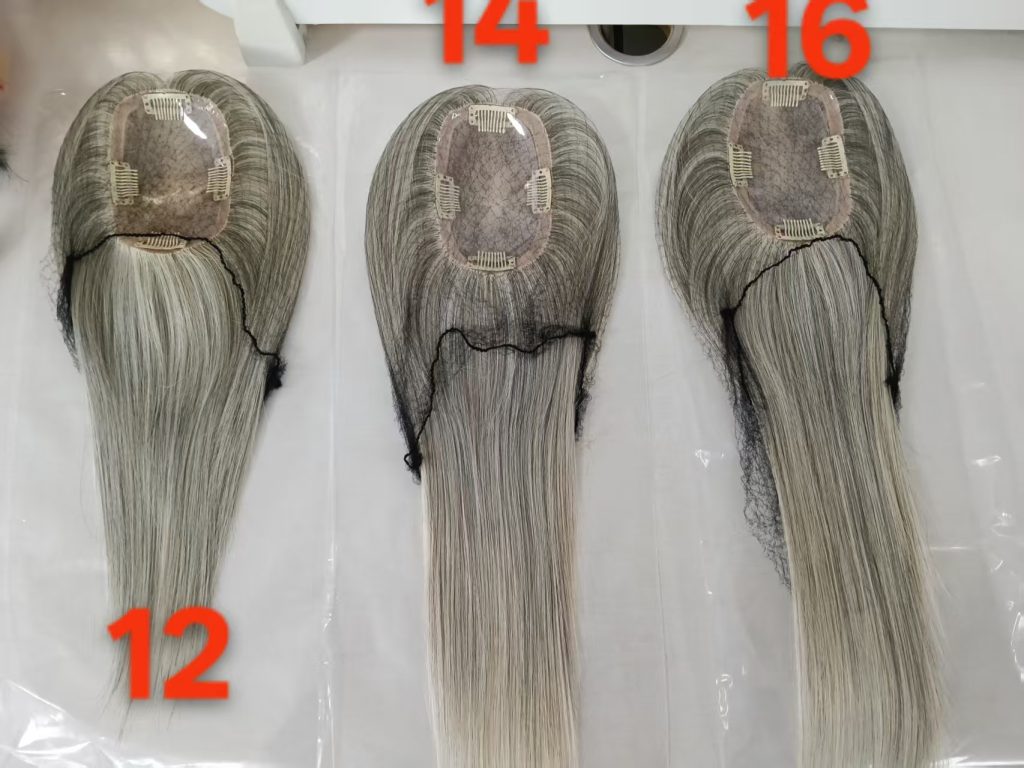
Discover how to choose the right hair topper for thinning hair, from base size and secure attachment to natural hairlines, colour matching and everyday care.
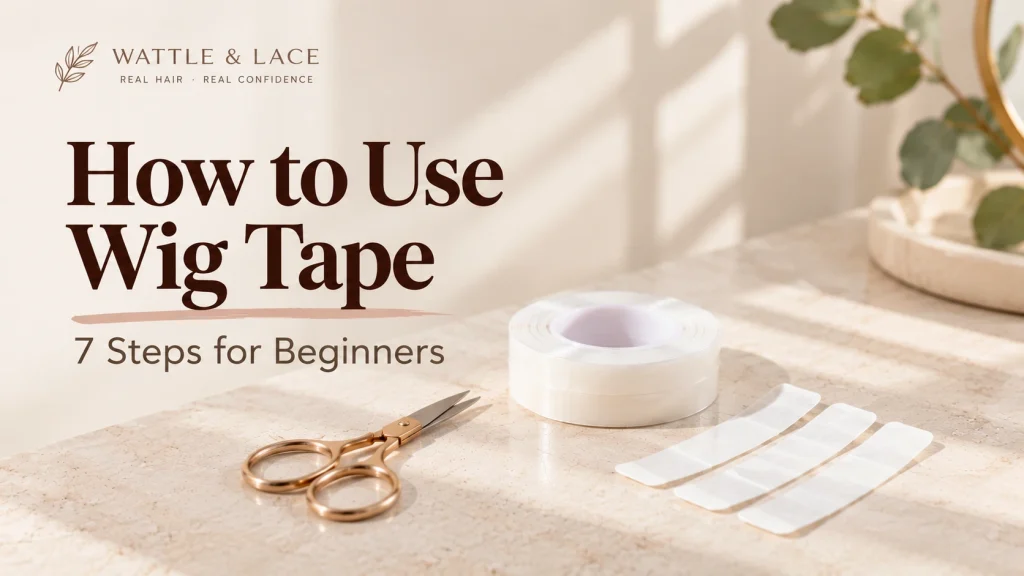
Using wig tape for the first time can feel fiddly. The strips are small, the lace needs to sit in exactly the right place, and once the tape touches your skin, repositioning can be difficult.
...
European Remy human hair is human hair described as originating from Europe, with the strands arranged so their cuticles face the same direction. The term combines two distinct descriptions: European refers to the stated...
What Is a Human Hair Wig?
Image source:European Human Hair Wig-Teagan wig
A human hair wig is made from real human hair, giving it the natural movement, texture and light reflection...
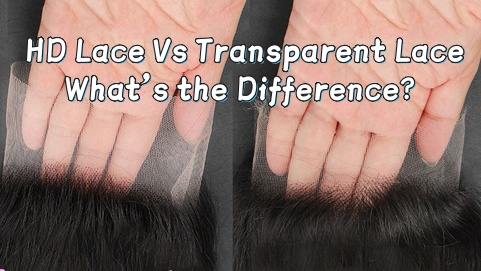
If you're shopping for a womens wig, you've probably seen HD lace and transparent lace listed as two different options. They can look almost identical in a product photo, which makes the choice a little confusing.
...
If you’ve been scrolling through dozens of tabs trying to figure out where to buy a decent piece of alternative hair, I get it. It’s overwhelming. Between dodgy overseas websites, glossy social media...
A beautiful wig should never look like you’re wearing a wig. The right colour, texture, density and fit can make all the difference to how natural and confident you feel. If you’re wondering how to choose a European huma...
WIG GUIDE
Choosing between a glueless wig and an lace glue for wigs comes down to more than how the wig stays on. Comfort, security, hairline appearance and your everyday routine all play a part.
If you prefer a wi...
If you are new to wigs, you may have come across the term glueless wig and wondered how a wig can stay in place without glue. The answer is simpler than it sounds: a glueless wig is designed around the fit and constructi...
European human hair wigs are among the more premium options available in Australia, but there is no single price that applies to every wig. Length, hair quality, density, lace construction, cap design, colour and customi...