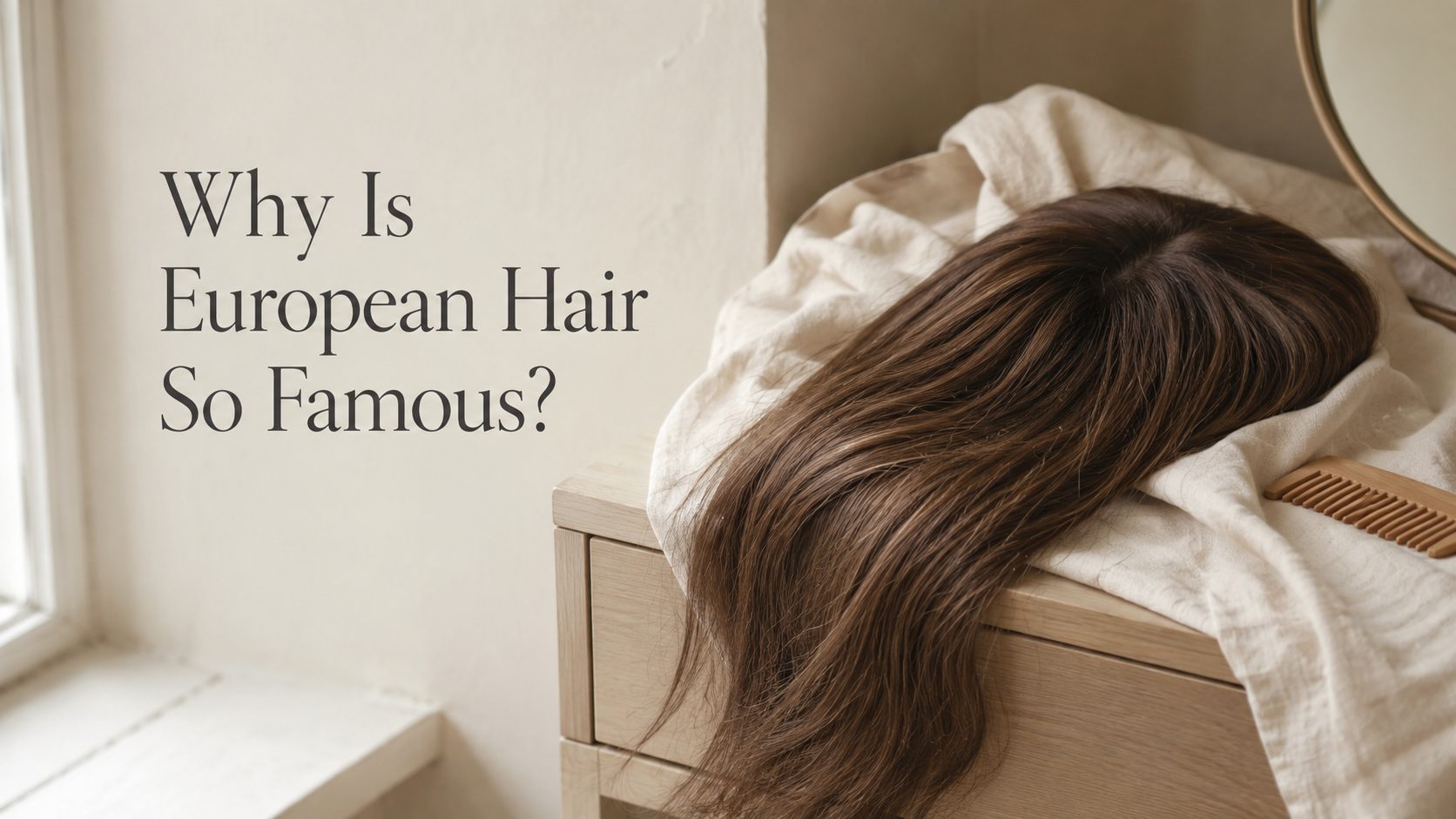
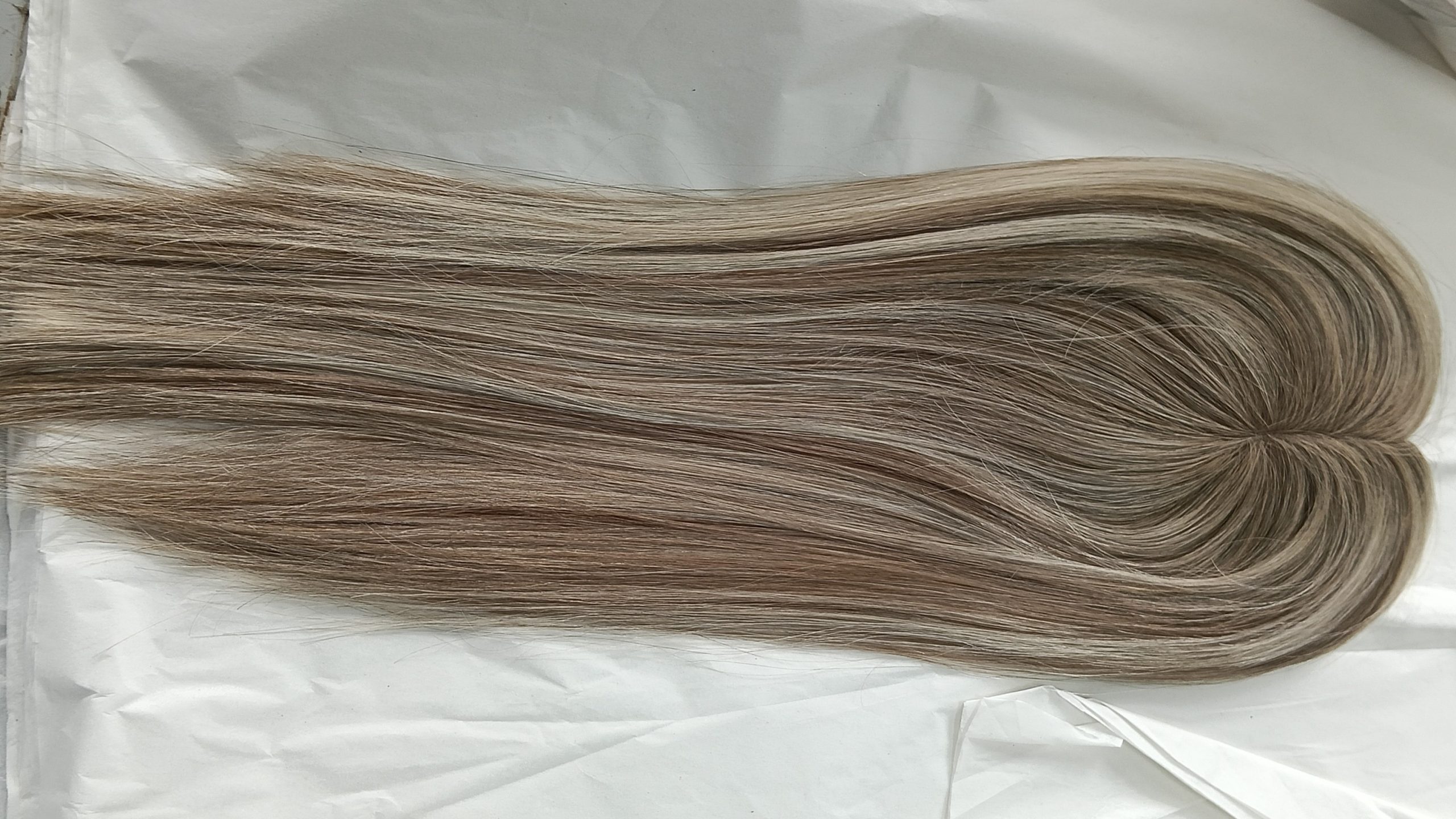
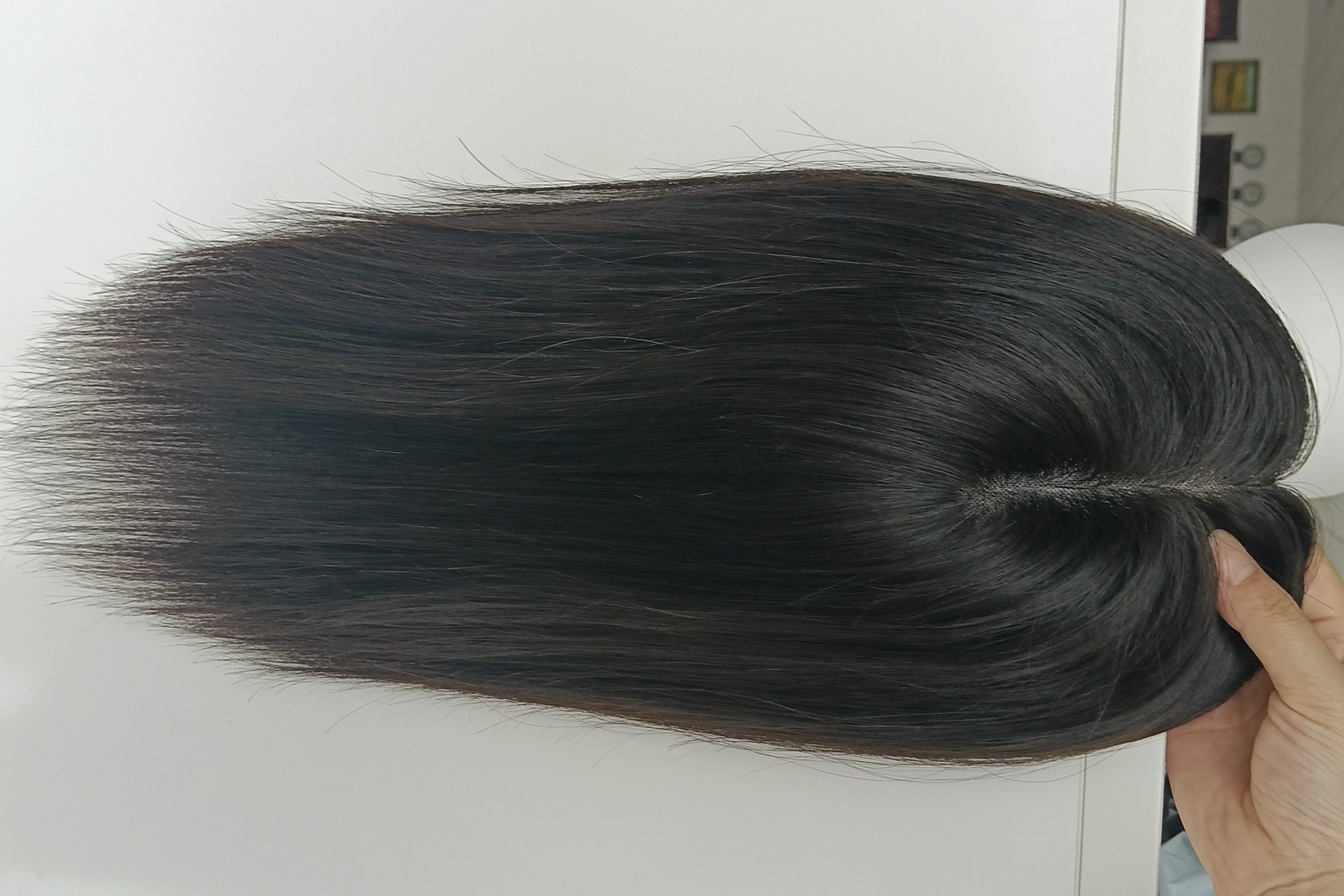
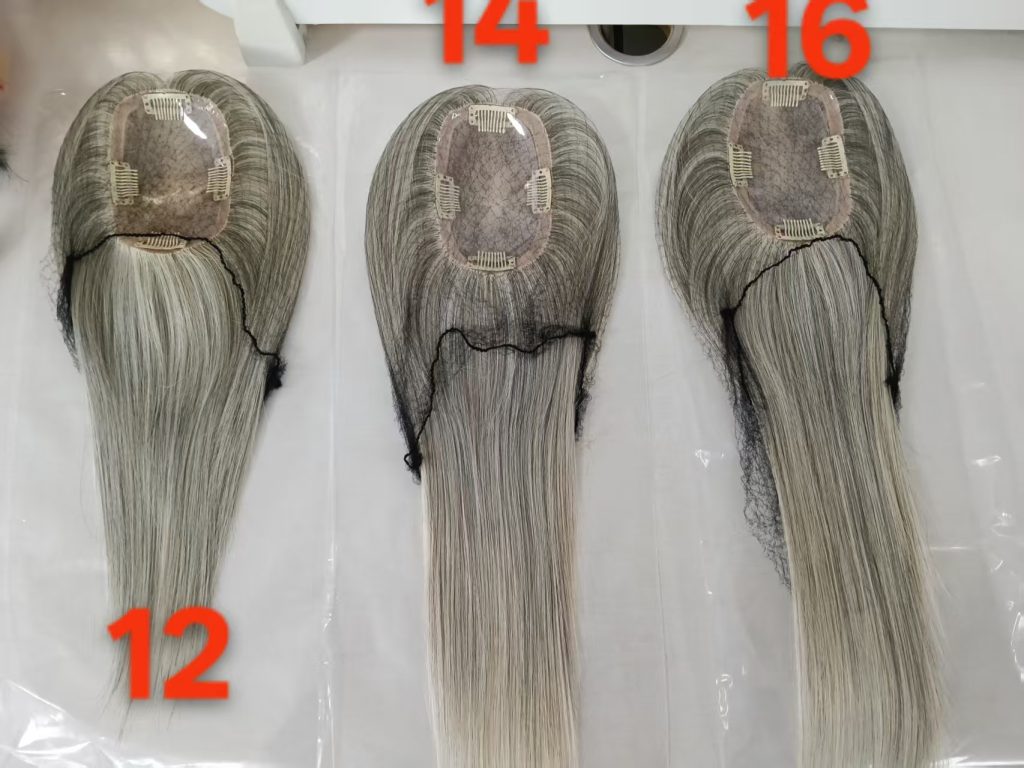
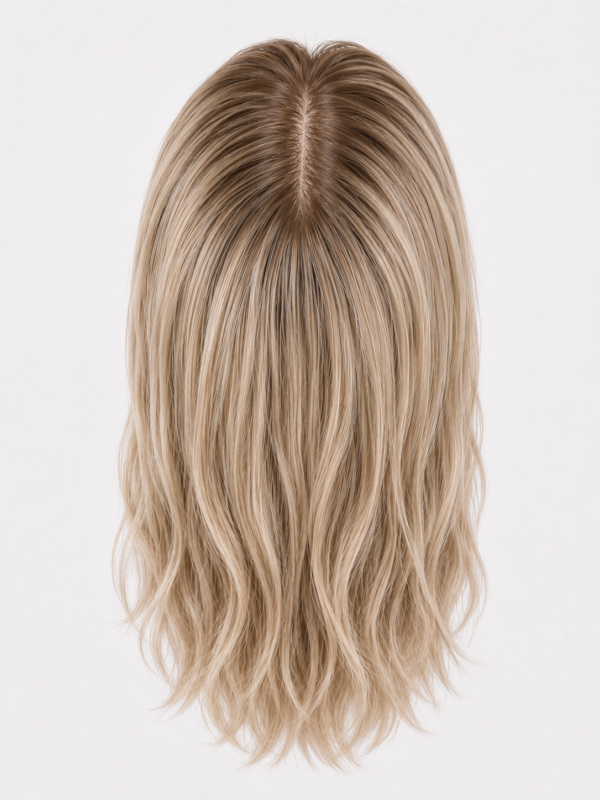
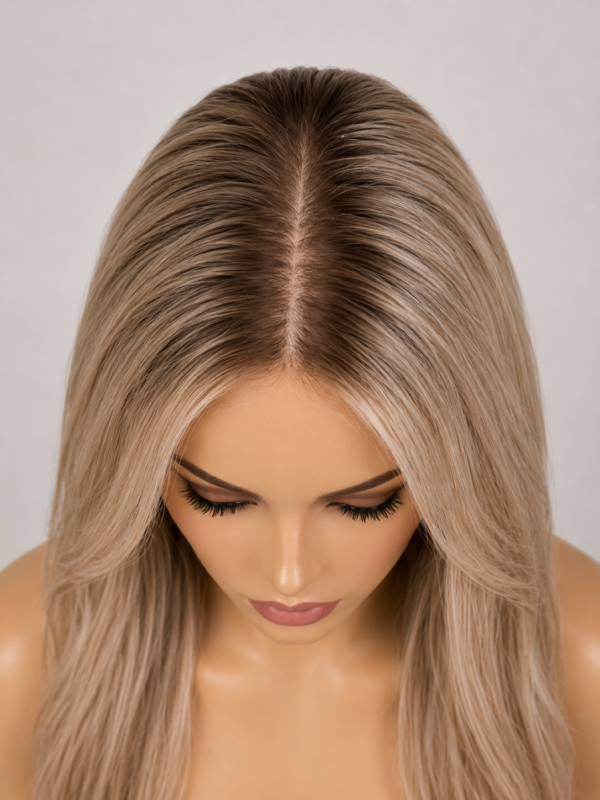
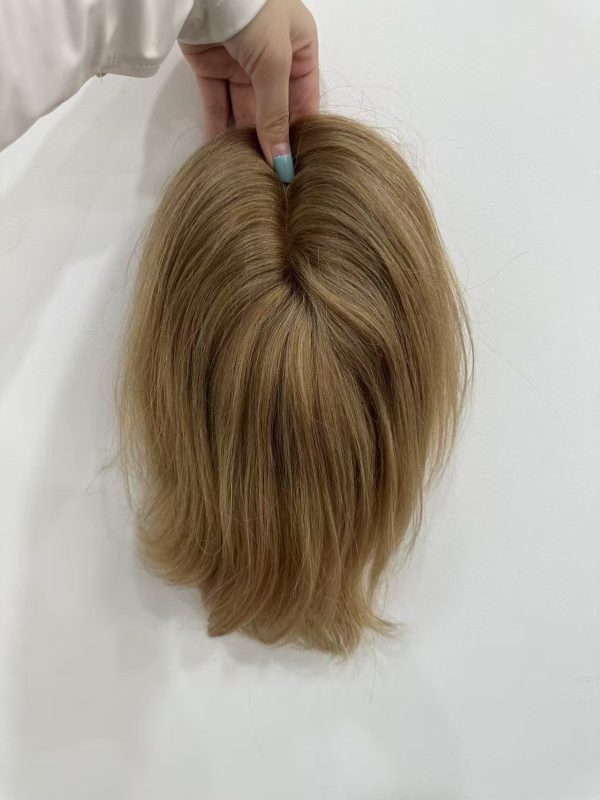
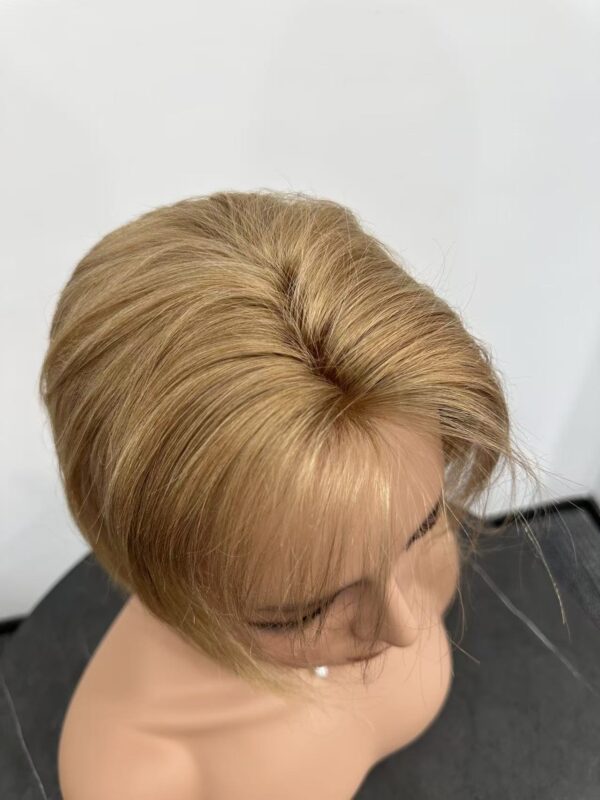
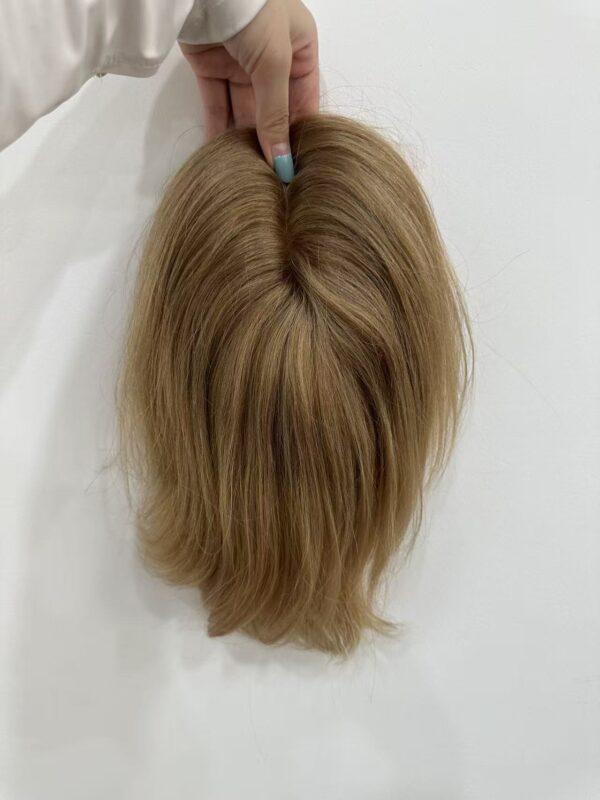
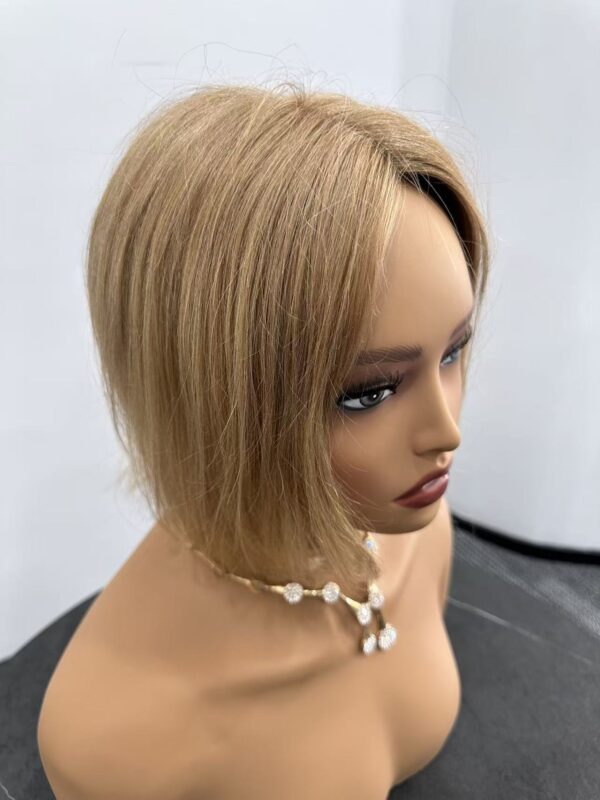
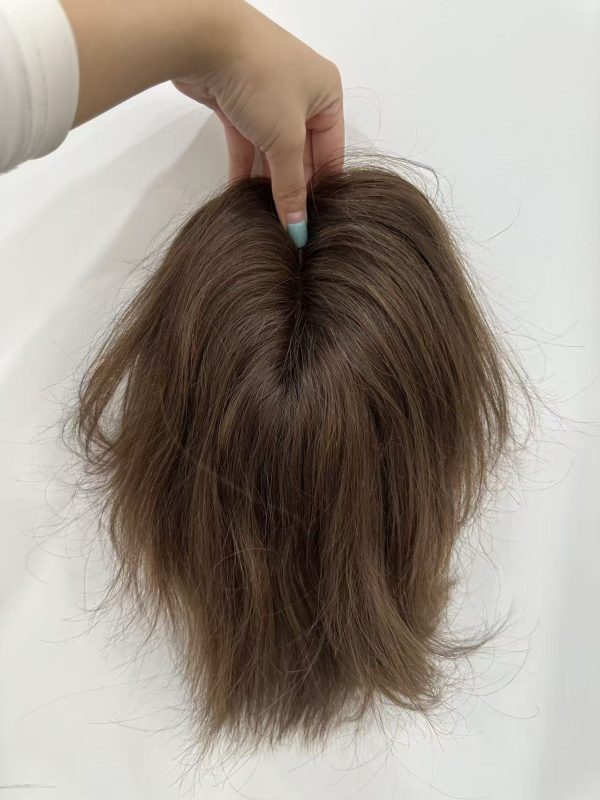
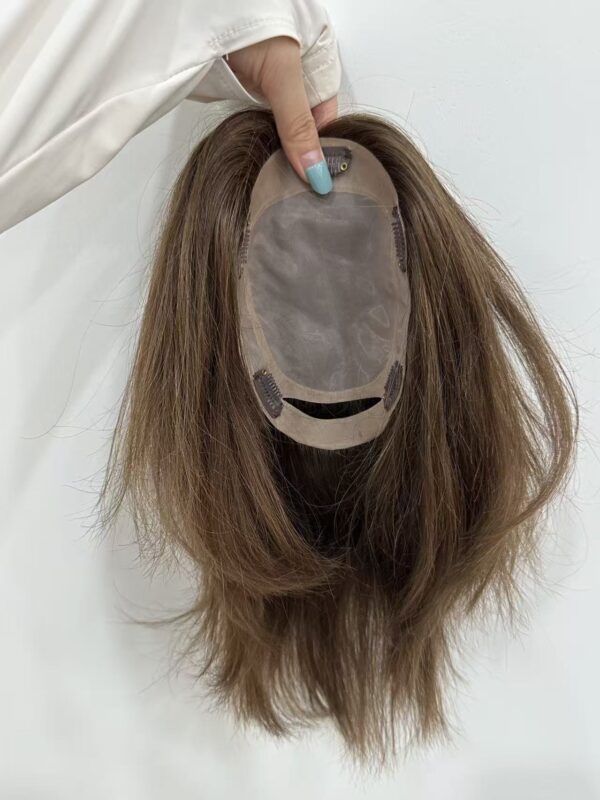
European human hair is often called the “soft gold” of the wig industry because genuinely premium European hair combines several rare qualities at the same time: limited availability, naturally fine strands, authentic natural colours, healthy cuticles, long lengths and relatively low processing. The value is not simply the word “European”. It comes from how difficult it is to source hair that meets all of these conditions simultaneously. In fact, research on the global human-hair supply chain identifies India as a major source of human hair, while Eastern Europe is an important but much smaller source; the same research notes that European-sourced hair commands higher prices because of its colouring and limited availability.
Quick Answer:
European hair is expensive because high-quality, minimally processed European hair is relatively scarce.
Long natural hair, especially naturally blonde, ash blonde, light brown and other untreated shades, is difficult to collect consistently.
When fine texture, intact cuticles, natural colour, long length and minimal chemical processing come together, the raw material becomes much harder to source — and therefore more valuable.
What Is European Human Hair?
“European human hair” is a market term used for human hair associated with European sourcing, particularly Eastern European and surrounding regions. It is important to understand that European hair does not simply mean “hair processed in Europe”, nor does the label alone guarantee superior quality.
Historically, premium European hair has often been associated with donors from Eastern Europe. Countries and regions commonly mentioned in the premium wig industry include Ukraine, Russia, Poland, Romania and other parts of Eastern Europe. However, origin claims should always be verified with the supplier because the commercial hair market is global and terminology is not uniformly regulated.
A high-quality European hair wig is therefore defined by more than geography. The most important characteristics include the condition of the hair, whether the cuticle is preserved and aligned, the natural colour, length, density, processing history and the way the hair was collected and manufactured.
Industry perspective:
Professional wig specialists consistently point out that “human hair” by itself is not a sufficient quality description. The source, processing, cuticle condition and construction of the finished wig all affect the final result.
Why Is European Hair Called the “Soft Gold” of the Wig Industry?
The phrase “soft gold” is not an official industry classification. It is a useful way of describing the economic value of a rare natural material. Just as gold becomes valuable because supply is limited and demand is high, premium European human hair becomes expensive when the available supply of suitable hair is small while demand for natural-looking luxury wigs remains strong.
1. Genuine premium European hair is difficult to source
One of the strongest reasons for its premium price is simple economics: supply is limited.
Academic research into the life cycle of hair products has found that the majority of human hair is sourced from India, while China, Brazil, Peru and Eastern Europe are also significant sources. The researchers specifically noted that European-sourced hair is considerably more expensive because of its colouring and limited availability.
This distinction matters. The global wig industry can source large volumes of human hair from major Asian supply chains, but the amount of European-origin hair that simultaneously meets premium requirements is much smaller.
2. Natural blonde and light shades are especially valuable
Colour is one of the most important factors affecting the value of European hair.
Naturally occurring blonde, ash blonde, dark blonde and light brown hair can be particularly desirable for luxury wigs because the colour exists naturally in the hair rather than being created entirely through bleaching and dyeing.
This does not mean every blonde European wig is made from naturally blonde hair. Premium wig buyers should always ask whether the hair is virgin, minimally processed, coloured or bleached.
3. Long, untreated hair is much harder to obtain
Length dramatically changes the economics of human hair.
A short ponytail can be relatively easy to source. A long ponytail that is simultaneously natural-coloured, healthy, minimally processed and suitable for a luxury wig is much harder to find.
Think about the combination:
Natural colour
20–24 inch or longer length
Minimal chemical processing
Healthy ends
Fine natural texture
Preserved cuticles
Consistent quality throughout the ponytail
The more requirements that are combined, the smaller the pool of suitable raw material becomes.
4. Fine strands create a more understated appearance
One reason European hair is highly valued in premium wig making is its association with finer hair shafts. Fine hair can create a lighter, softer and less bulky visual effect when the wig is constructed correctly.
Hair texture is not determined by nationality alone, and not every European donor has fine hair. Nevertheless, professional wig experts have long distinguished European hair as a finer and more expensive category within the human-hair market.
“European, which is a little finer, is the most sought-after and most expensive.”
— Fae Norris, hairstylist, quoted by Oprah Daily
The important point is that fine hair is not automatically “better” for every wearer. For some customers, thicker hair provides more volume and coverage. European hair becomes especially valuable when the goal is subtle density, natural movement and a lightweight appearance.
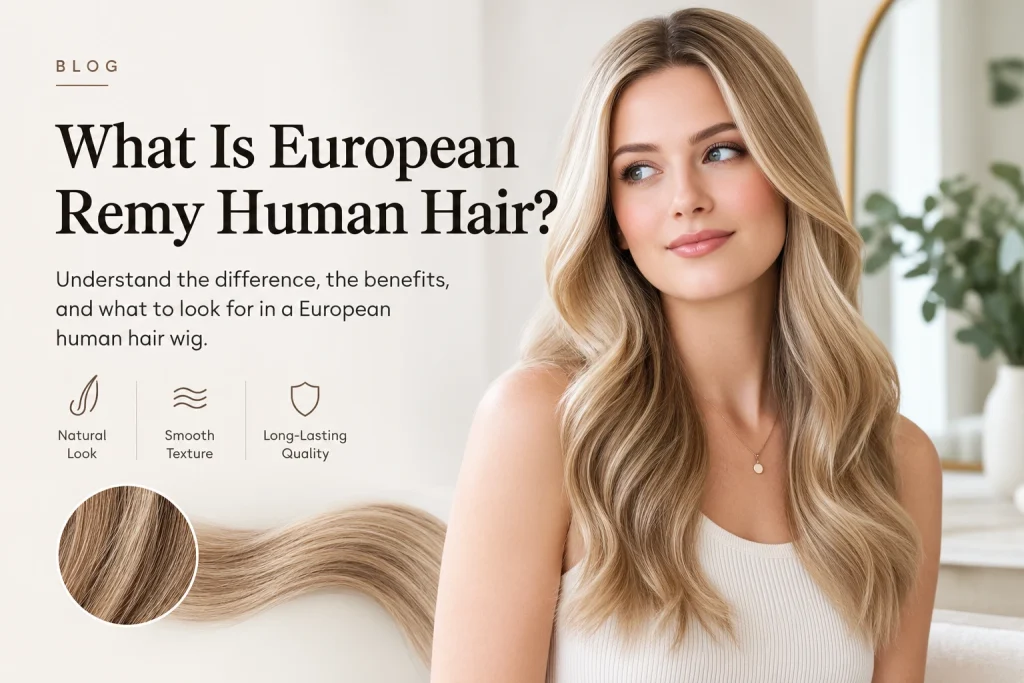
Premium European human hair is valued for its natural texture, movement and authentic appearance.
Explore European Hair Now
The Real Reason European Hair Is So Rare
The scarcity of European hair is not simply a matter of geography. It is a combination of donor availability, hair length, colour, processing history and collection standards.
The decline of long natural ponytails
Premium European hair has historically been collected from long ponytails. Industry sources note that the supply of these ponytails has declined as fewer women grow long, untreated hair specifically for donation or sale.
Daniel Alain, a specialist wig company with more than two decades of experience working with European hair, describes authentic European hair as increasingly difficult to source at the quality and consistency required for premium wigs and toppers.
This is important because the luxury European hair market is not simply competing for “human hair”. It is competing for a very specific subset of human hair.
~2%
An industry buying guide estimates that premium European hair represents only about 2% of human-hair wigs in the marketplace.
Important: The 2% figure is an industry estimate rather than an official global statistic. There is currently no universally accepted international database that measures the exact global share of wigs made from European-origin human hair.
Why Is Slavic Hair Often More Expensive?
“Slavic hair” is commonly used in the premium wig industry to describe hair sourced from parts of Eastern Europe. It is often marketed alongside terms such as Russian hair, Ukrainian hair or Eastern European hair.
The reason some Slavic hair commands a particularly high price is not ethnicity itself. The value comes from a combination of characteristics that can be difficult to source together.
Natural colour + fine texture + length = rarity
Premium Slavic hair may be particularly attractive when it naturally falls into lighter shades such as blonde, dark blonde, ash blonde or light brown. When this is combined with a fine texture, long length and limited chemical processing, the available supply becomes significantly smaller.
A 20-inch natural blonde ponytail with healthy ends is not economically equivalent to a 10-inch chemically processed ponytail, even though both technically qualify as “human hair”.
This is why comparing wigs only by the phrase “100% human hair” can be misleading. The origin, condition, length and processing history of the hair can have a major impact on price and performance.
Hair is primarily made of keratin, a fibrous protein. The outer surface of the hair shaft is covered by the cuticle, a layer of overlapping cells that helps protect the inner structure of the fibre.
When the cuticle remains relatively intact and aligned, the hair generally behaves more predictably. Excessive bleaching, repeated chemical processing, heat and mechanical stress can damage the cuticle and increase surface roughness and porosity.
For wig making, this matters because healthy hair can provide better movement, softness and visual consistency. The quality of the raw hair is only one part of the equation, but preserving the characteristics of the original fibre can contribute significantly to a natural-looking result.
Why Cuticle Direction Matters
In high-quality Remy hair, the cuticles are collected and maintained in a consistent root-to-tip direction. This can help reduce friction between neighbouring strands and may improve manageability compared with poorly sorted hair.
However, “Remy” does not automatically mean “European”, and “European” does not automatically mean “Remy”. These describe different aspects of the hair: origin is about sourcing, while Remy primarily describes cuticle alignment and handling.
What Does the Market Data Tell Us?
The wider human-hair market provides useful context for understanding why premium European hair occupies a luxury position.
65.6%
Human hair's estimated revenue share of the global hair wigs and extensions market in 2025.
€71.5M
EU imports of unworked human hair from outside the EU between January 2022 and March 2026.
182K kg
Volume of those EU extra-EU imports of unworked human hair during the same period.
€392.99/kg
Reported weighted average import value for that unworked human-hair category over the period.
Grand View Research estimates that human hair represented 65.6% of global hair wigs and extensions revenue in 2025. The report attributes the leading position of human hair to its natural appearance, quality and styling flexibility.
Eurostat COMEXT data provides another useful insight. Between January 2022 and March 2026, the EU imported approximately €71.5 million worth of unworked human hair from outside the EU, representing about 182,000 kg. The trade data shows that Europe itself is a significant participant in the global movement of raw human hair rather than being a completely self-sufficient source of it.
This helps explain an important point: Europe can be a major market for premium wigs without being the world's largest source of raw human hair.
Market data highlights the difference between Europe as a major consumer market and Europe as a source of raw human hair.
Explore European Hair Now
What Actually Determines European Hair Quality?
The word “European” should never be the only quality indicator. A premium wig should be evaluated across several dimensions.
Quality Factor
Why It Matters
Hair origin
Provides information about where the raw hair was sourced, but should be verified rather than assumed from marketing language.
Processing
Virgin or minimally processed hair generally preserves more of its original characteristics than heavily bleached or chemically treated hair.
Cuticle condition
Healthy, aligned cuticles can contribute to smoother handling and reduced friction between strands.
Natural colour
Natural blonde, ash blonde and light brown shades can be especially difficult to source without processing.
Length
Longer hair that remains healthy from root to tip is significantly harder to source.
Density
The right density affects realism, weight, movement and how naturally the wig blends with the wearer.
Construction
Lace, hand-tying, cap design and hairline craftsmanship can be just as important as the raw hair itself.
European Hair Myths You Should Know
Myth 1: All European hair is better than Asian hair
Not necessarily. Different hair origins have different characteristics. Asian hair can offer excellent strength, density and durability, while European hair may be preferred when fine texture and naturally lighter colours are desired.
Myth 2: European hair is always virgin hair
No. European hair can be coloured, bleached or otherwise processed. Always ask the seller how the hair was collected and processed.
Myth 3: “Russian hair” automatically means authentic Russian hair
Not necessarily. Product naming in the global hair market is not sufficiently standardized to treat a geographic label as proof of origin. Buyers should look for transparent sourcing information rather than relying on a country name alone.
Myth 4: The most expensive wig must be the best wig
Price is not a quality certification. A luxury wig should justify its price through hair quality, sourcing transparency, construction, density, customization and craftsmanship.
How to Choose Genuine Premium European Human Hair
If you are considering a European human hair wig, ask these questions before buying:
Where was the hair actually sourced?
Look for clear information about origin rather than relying only on the product title.
Is the hair virgin, Remy or chemically processed?
These terms describe different aspects of hair quality and should not be treated as interchangeable.
What is the natural colour?
Ask whether blonde, ash or brown shades are naturally occurring or created through bleaching and dyeing.
How was the hair collected?
Carefully collected ponytail hair can provide greater consistency than mixed or poorly sorted sources.
How does the wig move?
Natural movement is one of the easiest practical indicators of a well-made human hair wig.
How natural is the density?
More hair does not automatically mean a better wig. Excessive density can make a wig look less natural.
How transparent is the brand?
A premium hair company should be able to explain its sourcing, processing and construction standards.
What Do Professional Wig Experts Say?
“Quality shows in five places: a lace hairline with individually knotted strands, a monofilament or hand-tied cap, multi-tonal color with natural depth, restrained density, and hair that moves.”
— Dorin Truczman, Wig Artist & Cranial Prosthetist
This is an important reminder: even exceptional European hair cannot compensate for poor wig construction. The final appearance depends on the entire system — hair quality, density, colour, cap construction, hairline and craftsmanship.
In other words, the real luxury is not simply owning “European hair”. It is having high-quality European hair transformed into a wig that behaves and looks like natural hair.
European Human Hair FAQ
Why is European human hair so expensive?
Premium European human hair is expensive primarily because genuinely suitable raw material is relatively scarce. Long, naturally coloured, fine and minimally processed hair is difficult to source in consistent quantities.
Is European hair better than Indian hair?
Neither is universally better. European hair is often chosen for fine texture, natural movement and lighter natural shades, while Indian hair is widely used and can provide excellent softness, texture and versatility. The best choice depends on the desired result.
What is Slavic hair?
Slavic hair is a commercial term commonly used for hair sourced from parts of Eastern Europe. In the premium wig market it is often associated with fine textures and naturally occurring lighter shades, although individual hair characteristics vary considerably.
Is Russian hair the same as European hair?
Not exactly. Russian hair can be considered part of the broader European-hair category in some commercial contexts, but “European hair” covers a wider range of sources. Russia itself spans both Europe and Asia, so the label should not be treated as a precise geographic guarantee.
Is all European human hair virgin hair?
No. European hair can be virgin, Remy, dyed, bleached or otherwise processed. Always check the product's processing history rather than assuming that European origin means virgin hair.
How can I tell if a European human hair wig is high quality?
Look beyond the label. Check the sourcing information, processing level, cuticle condition, hair density, natural movement, hairline, cap construction and overall craftsmanship.
The Bottom Line: Why Is European Hair the “Soft Gold”?
European human hair earns its “soft gold” reputation because the most desirable qualities rarely appear together in large quantities.
Natural colour. Fine texture. Long length. Healthy ends. Preserved cuticles. Minimal processing. Limited supply.
Each characteristic adds value. When they come together in one carefully sourced ponytail, the material becomes exceptionally difficult to replace with a mass-market alternative.
That is why the real value of European hair is not simply its geographic label. It is the combination of rarity, hair quality, sourcing standards and craftsmanship.
For customers looking for a wig that feels lightweight, moves naturally and closely resembles their own hair, these qualities can make premium European human hair a worthwhile investment.
Research & Sources
Grand View Research — Hair Wigs & Extensions Market.
2025 human hair revenue share: 65.6%.
Journal of Remanufacturing / Springer Nature —
Capturing the life cycle of false hair products to identify opportunities for remanufacture.
Research on global human-hair sourcing identifies India as a major source and Eastern Europe as an important source; European-sourced hair is reported as more expensive because of colouring and limited availability.
Eurostat COMEXT — EU external trade data for unworked human hair, NC8 05010000.
January 2022–March 2026: approximately €71.5 million in extra-EU imports and 182,000 kg.
Daniel Alain — European Human Hair Buying Guide and European Hair sourcing resources.
Industry guidance on the scarcity and sourcing challenges of authentic European hair.
Fae Norris — hairstylist, quoted by Oprah Daily in a guide to natural-looking wigs.
Professional comparison of European, Indian and Chinese human hair.
Market estimates and industry terminology can vary between sources. “European hair”, “Slavic hair”, “Russian hair”, “Virgin hair” and “Remy hair” should not be treated as interchangeable terms. Buyers should evaluate actual sourcing and processing information rather than relying on a label alone.
About Lisa
15 years of experience in the wig industry
Extensive experience in human hair wigs, wig construction, fit, hair quality and styling. Dedicated to helping women find natural-looking hair that feels comfortable and truly suits them.
HOW TO WASH YOUR HUMAN HAIR WIG
Keep your wig soft, smooth and beautiful with the right care routine.A gentle step-by-step guide to cleaning and caring for vour human hair wig.
WHAT YOU’LL NEED
...
Discover how to choose the right hair topper for thinning hair, from base size and secure attachment to natural hairlines, colour matching and everyday care.
Using wig tape for the first time can feel fiddly. The strips are small, the lace needs to sit in exactly the right place, and once the tape touches your skin, repositioning can be difficult.
...
European Remy human hair is human hair described as originating from Europe, with the strands arranged so their cuticles face the same direction. The term combines two distinct descriptions: European refers to the stated...
What Is a Human Hair Wig?
Image source:European Human Hair Wig-Teagan wig
A human hair wig is made from real human hair, giving it the natural movement, texture and light reflection...
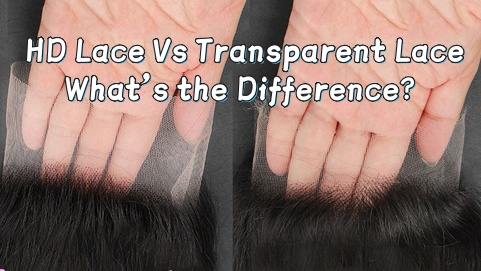
If you're shopping for a womens wig, you've probably seen HD lace and transparent lace listed as two different options. They can look almost identical in a product photo, which makes the choice a little confusing.
...
If you’ve been scrolling through dozens of tabs trying to figure out where to buy a decent piece of alternative hair, I get it. It’s overwhelming. Between dodgy overseas websites, glossy social media...
A beautiful wig should never look like you’re wearing a wig. The right colour, texture, density and fit can make all the difference to how natural and confident you feel. If you’re wondering how to choose a European huma...
WIG GUIDE
Choosing between a glueless wig and an lace glue for wigs comes down to more than how the wig stays on. Comfort, security, hairline appearance and your everyday routine all play a part.
If you prefer a wi...
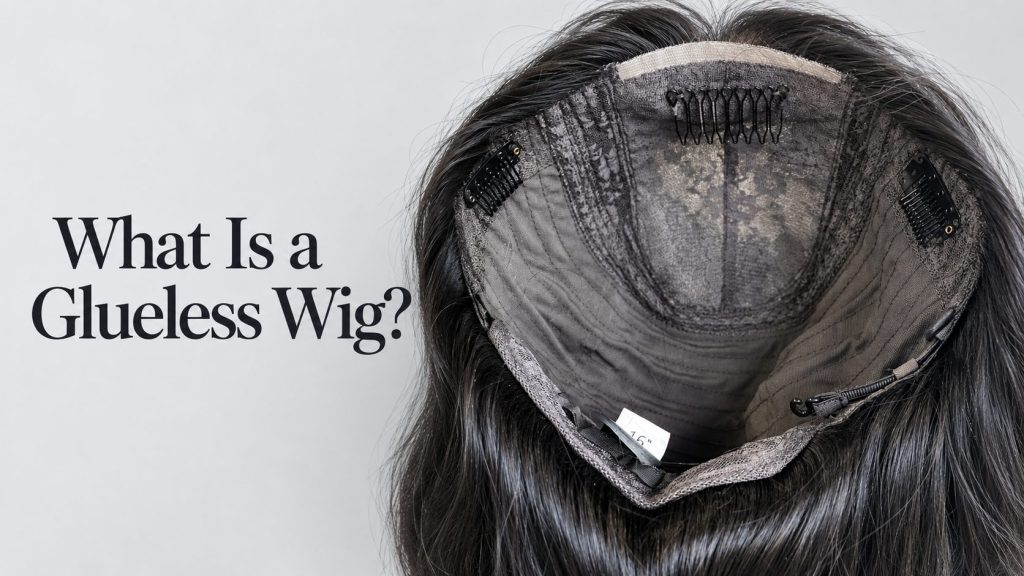
If you are new to wigs, you may have come across the term glueless wig and wondered how a wig can stay in place without glue. The answer is simpler than it sounds: a glueless wig is designed around the fit and constructi...
European human hair wigs are among the more premium options available in Australia, but there is no single price that applies to every wig. Length, hair quality, density, lace construction, cap design, colour and customi...