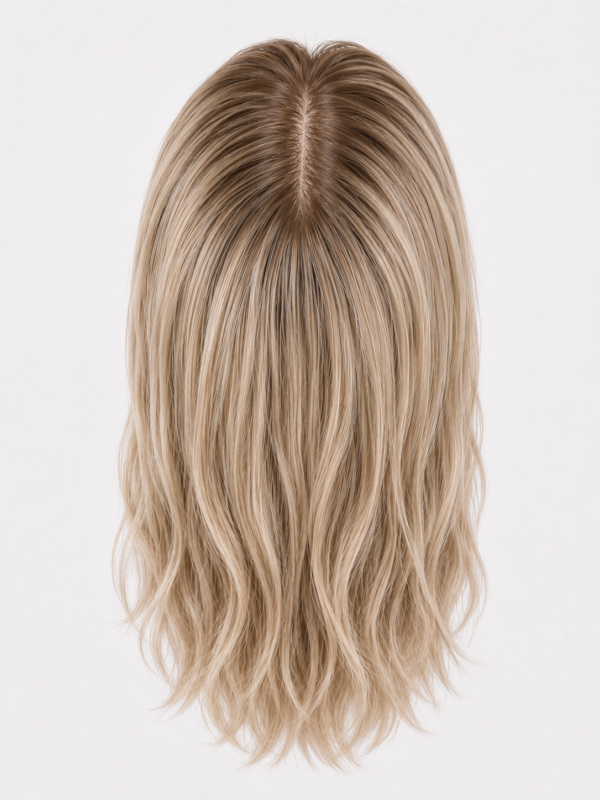
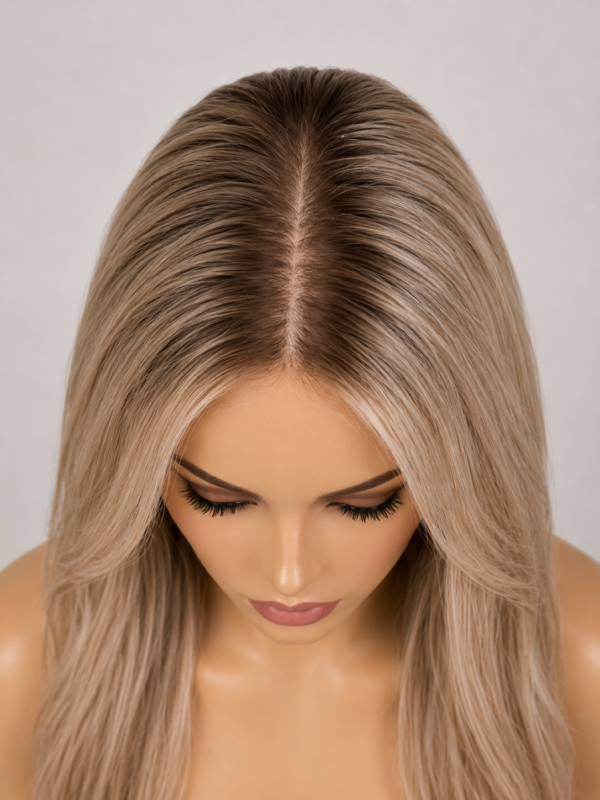
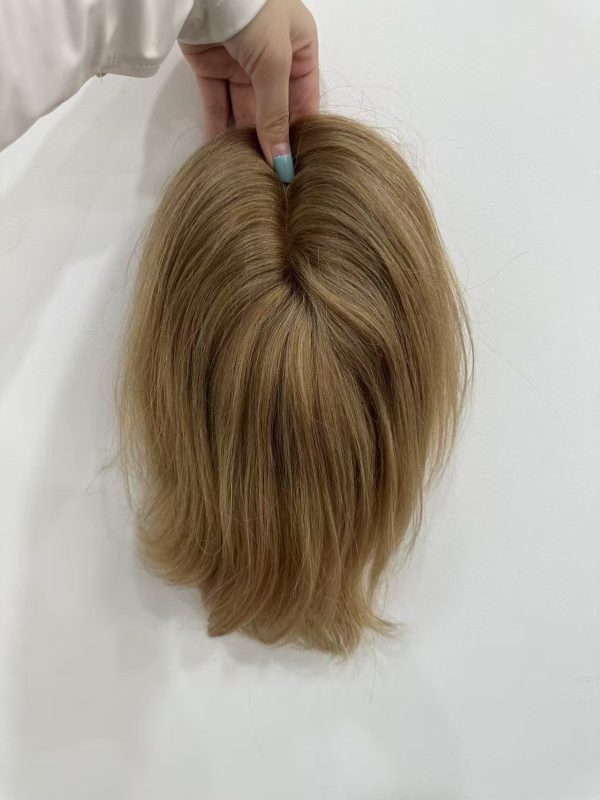
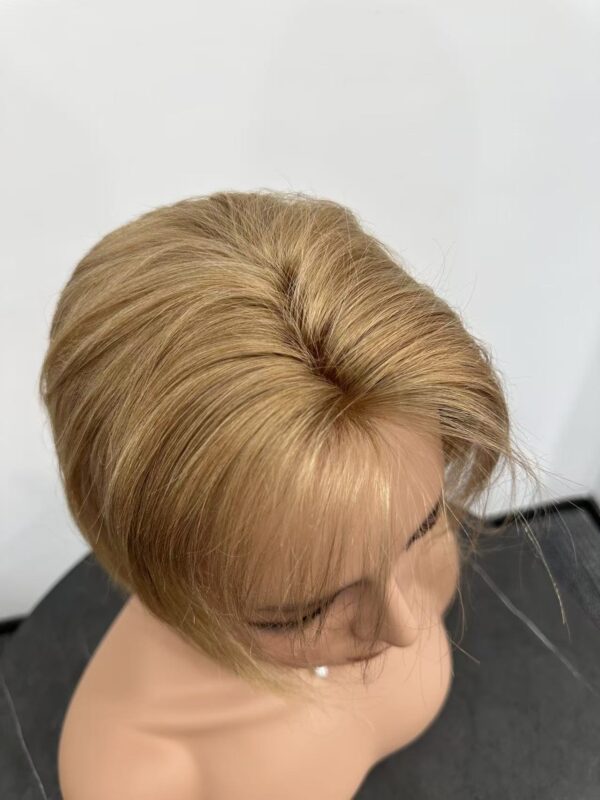
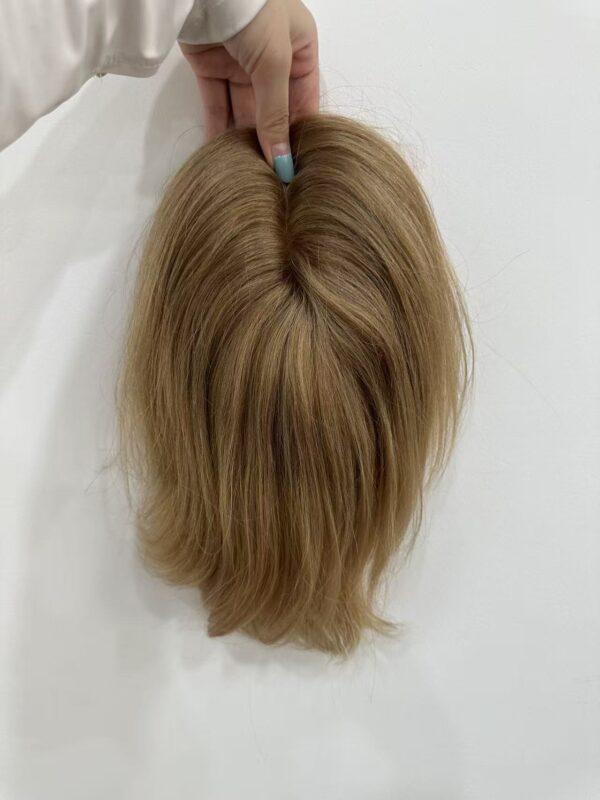
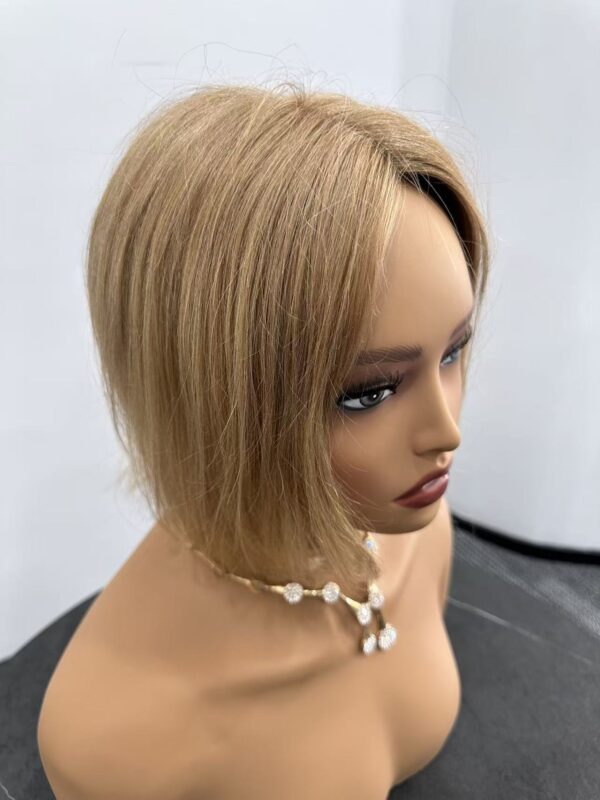
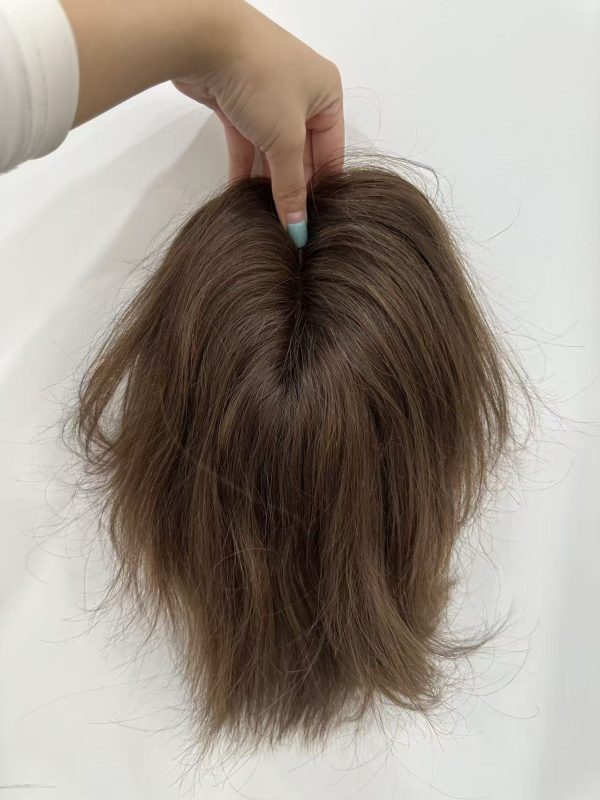
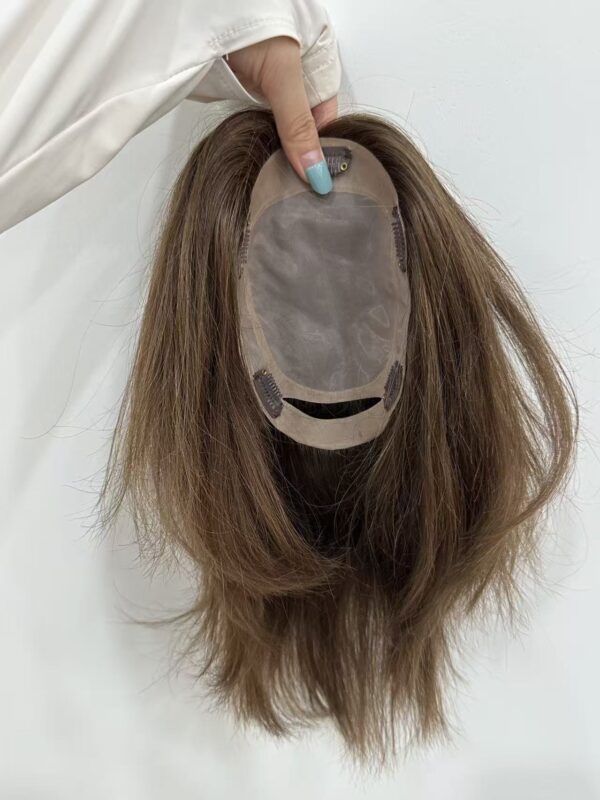
A lace hair topper can be a quiet, confidence-giving solution when the top of the hair no longer feels as full as it used to. It can soften a visible part, add crown volume, and help fine hair hold a more polished shape. The best topper does not look like extra hair placed on top. It looks like your hair has more body, more coverage, and more ease.
This guide explains how lace toppers work, how to think about base size, and how to blend a topper so the result feels natural for everyday life. It is written for women comparing options such as Wattle & Lace human hair toppers and wanting a practical way to choose.
What Is a Lace Hair Topper?
A lace hair topper is a partial hair piece designed to cover or add density to a specific area, usually the crown or part line. Unlike a full wig, a topper works with your biological hair. It clips or sits over the target area while your own hair helps complete the sides, back, and overall shape.
Lace is valued because it can create a lighter, softer, more breathable base. Depending on the construction, it can also help the hair appear as though it is growing more naturally from the base.
Who Is a Lace Topper Best For?
A lace topper is often a good fit if your main concern is on the top of the head. This may include reduced volume, a widening part, thinner crown coverage, or hair that looks flat even after styling. It can also help women who want more confidence in photos, at work, or during social events without wearing a full wig.
A topper may not be the best choice if you need full scalp coverage or if your remaining hair is too fragile to support clips. In that case, a wig may feel more secure and comfortable.
Base Size: The Measurement That Changes Everything
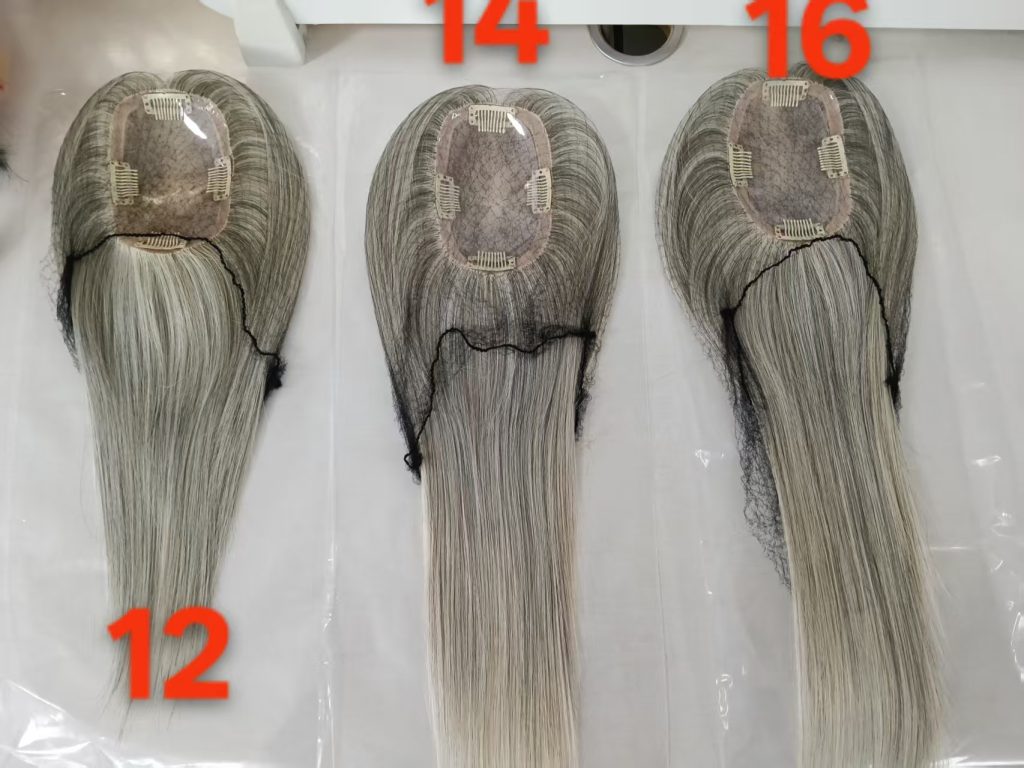
Base size controls the coverage area. A smaller base can feel light and discreet, but it must fully cover the thinning area. A larger base provides more coverage, yet it may feel more noticeable if you do not need that much support. The right base should cover the area of concern with a little room around it, so the edge does not sit directly on the thinnest point.
| Base Size |
Best For |
Consideration |
| 5 by 5 inches |
Smaller part or crown areas |
Lightweight, but coverage is limited. |
| 6 by 6 inches |
Moderate top coverage |
A balanced starting point for many topper wearers. |
| 7 by 7 inches |
Wider crown or part coverage |
More coverage while still using your own hair around the sides. |
| 8 by 8 inches |
Larger top area coverage |
Can be useful when thinning extends beyond the part line. |
| Custom |
Specific coverage needs |
Best discussed with a consultation. |
Several Wattle & Lace topper product pages show base size options in this range, giving shoppers flexibility when choosing a topper for their own coverage area.
Density: Why Natural Often Beats Thick
Density is one of the most overlooked reasons a topper either looks natural or looks obvious. Many women assume thicker hair will look better, but a topper that is much denser than your biological hair can create a visible contrast. Natural density often blends better, especially for everyday wear.
If your own hair is fine, a natural density can create believable fullness without overwhelming your face. If your hair is naturally thick or you prefer a fuller styled look, a thicker density may be suitable. The decision should be based on your real hair and your preferred finish, not only on the idea that more hair is always better.
Colour Matching: More Than Choosing Brown or Blonde
Colour matching should account for depth, tone, and root pattern. A dark brown with warm undertones is different from a cool dark brown. A highlighted shade may need a softer blend than a solid shade. If your biological hair has root depth or sun-lightened ends, the topper should respect that variation.
Wattle & Lace product options include shades such as natural black, dark brown, chestnut, cappuccino, lightest blonde, sugar brown, and custom contact options on selected products. If you are between colours, personalised advice is more reliable than guessing from a screen.
How to Blend a Lace Topper Naturally
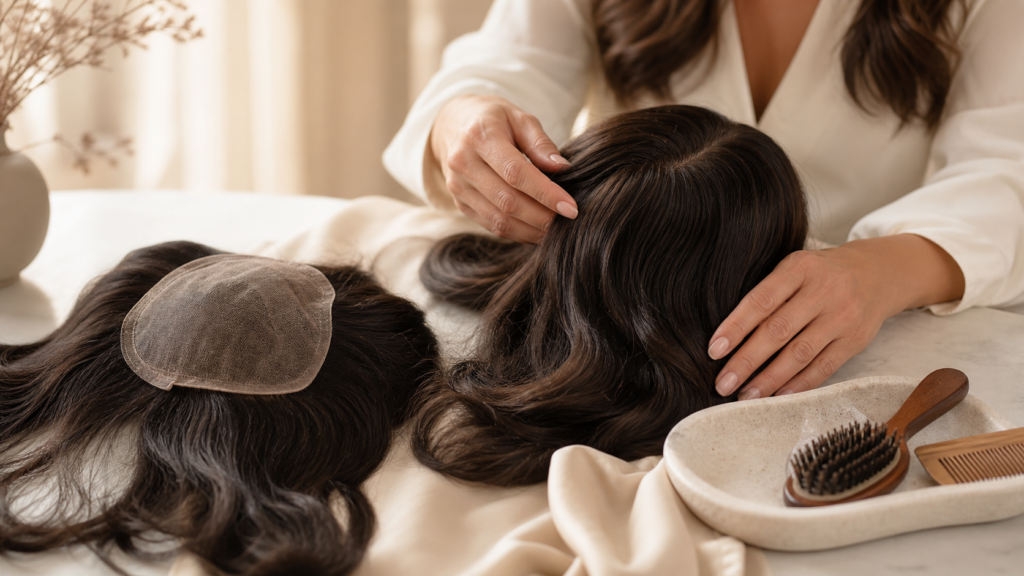
Blending starts before the topper is clipped in. Choose the right base, density, colour, and length. Once the piece is on your head, the goal is to connect it to your own hair without creating a hard line.
- Place the topper slightly behind or around the area that needs coverage, depending on the base design.
- Secure it gently without pulling fragile hair too tightly.
- Blend your front hair or fringe area around the topper edge if your style allows.
- Use a wide-tooth comb or soft brush to connect the topper hair with your own lengths.
- Style in soft layers or waves if you need extra blending through the mid-lengths.
A stylist can also trim or shape the topper after purchase so it works with your haircut. A small adjustment around the face can make the piece feel much more personal.
Lace Topper vs Silk Topper vs Mono Topper
Many shoppers compare lace, silk, and mono bases. Lace is often chosen for lightness and softness. Silk bases can create a scalp-like effect in the part area. Mono bases can offer durability and a natural-looking part. The best base depends on your comfort, realism priorities, and styling habits.
If the site category you are viewing is empty or does not show a specific base type, start from the main toppers collection and compare available products by coverage, colour, length, and density.
Daily Wear Tips for Comfort
A topper should not feel painful or overly tight. If clips pull, placement may need adjusting. If the base feels too large, the coverage may not match your actual need. If the hair feels too full, density or styling may be the issue.
- Rotate clip positions slightly when possible to reduce repeated pressure.
- Detangle gently from ends to roots.
- Store the topper so the base keeps its shape.
- Avoid heavy products near the base.
- Ask for help before making major cuts or colour changes.
When to Book a Consultation
Book a consultation if you are unsure about base size, colour, density, or whether your hair can support a topper. A short conversation can prevent the common mistake of buying a piece that is beautiful but not right for your actual coverage pattern.
This is especially useful if you are shopping after hair loss, post-partum shedding, stress-related thinning, or a major texture change. Your emotional comfort matters as much as the technical fit.
FAQ
Will a lace topper damage my hair?
A topper should be fitted and worn gently. Avoid tight placement or repeated stress on the same fragile areas. If your hair is very delicate, ask for personalised advice before daily wear.
Can I wear a topper every day?
Many women do wear toppers regularly. Comfort depends on correct base size, clip placement, density, and care routine.
How do I know what base size I need?
Measure the area that needs coverage and allow extra space around it. If you are unsure, compare the area with available base sizes or request guidance before ordering.
Helpful next steps: Browse the wigs collection, compare hair toppers, or read the FAQ before booking personalised support.
A lace topper is at its best when it feels like a natural extension of your own style. Choose it for the life you live every day, not just for the product photo.