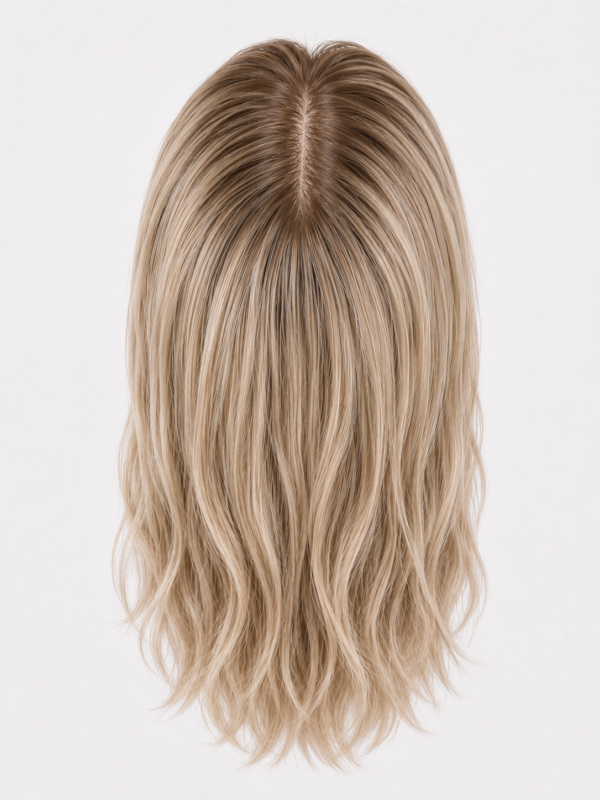
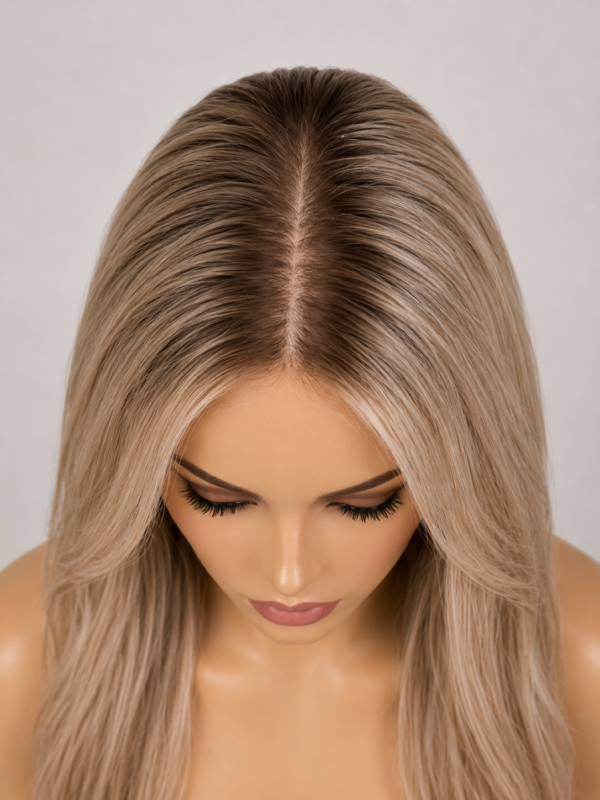
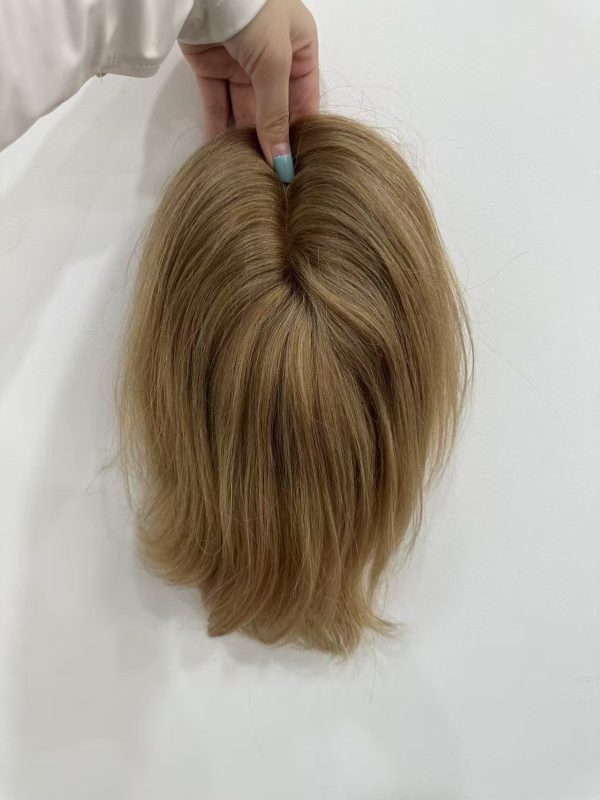
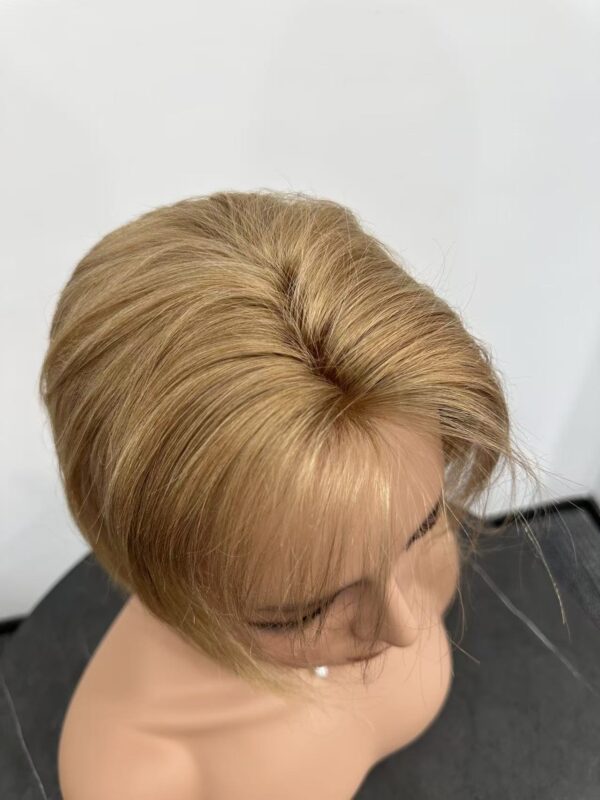
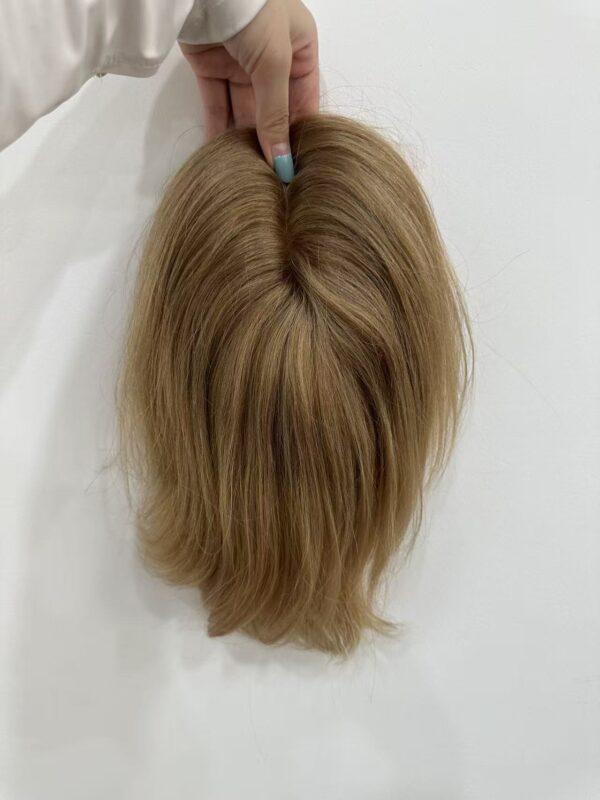
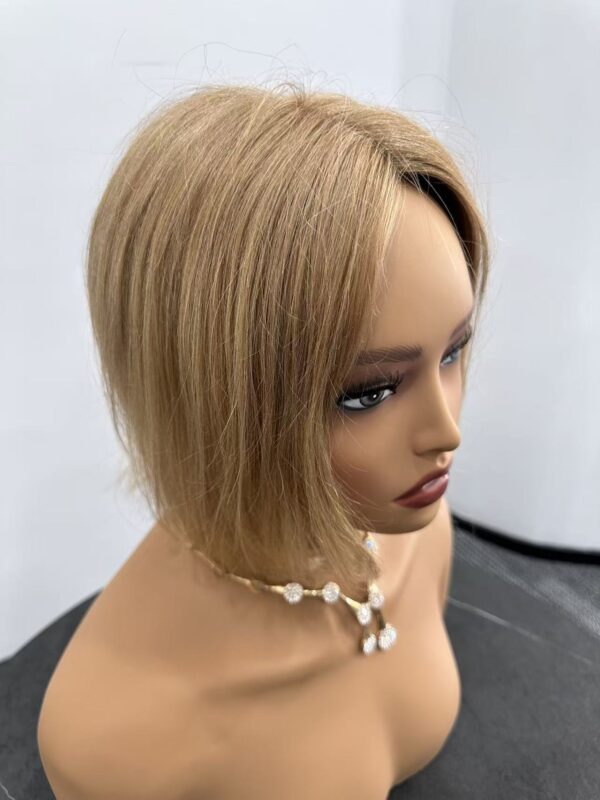
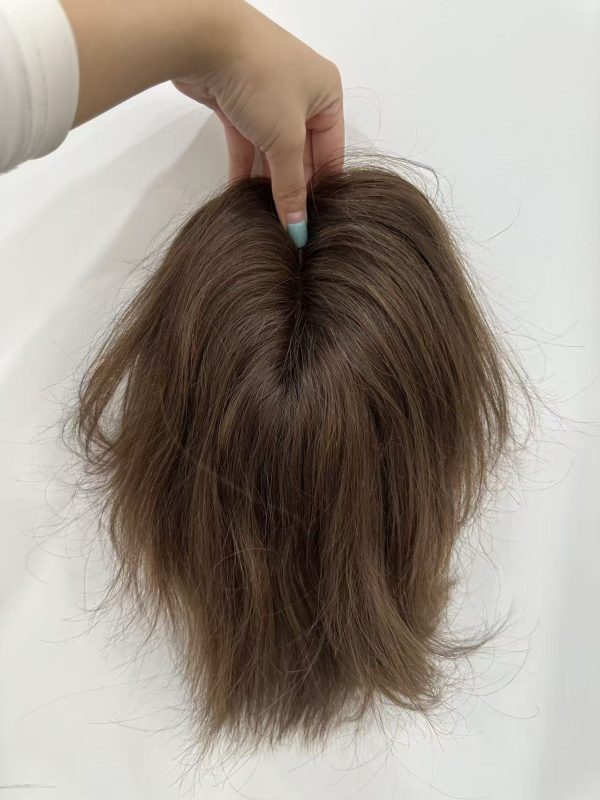
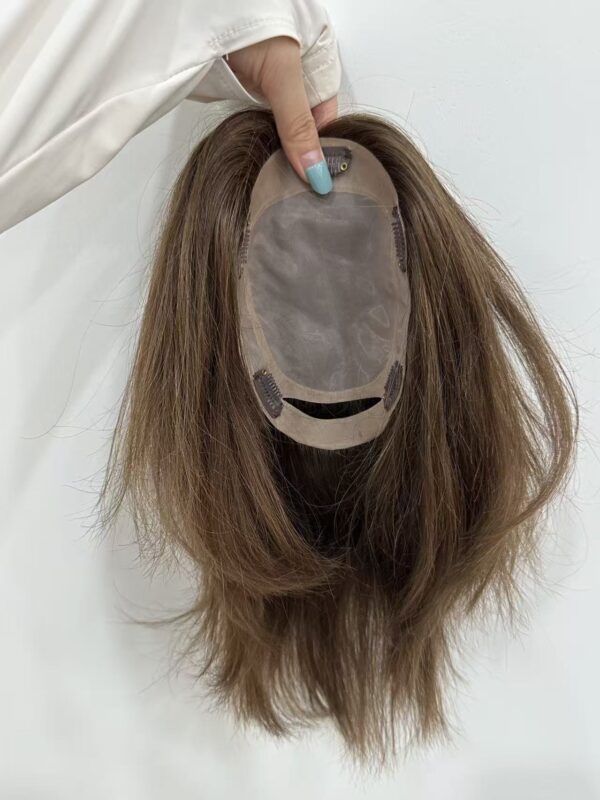
Winter in Australia brings out our favourite trench coats, oversized woollen scarves and cosy indoor heating. But while we are staying warm, colder air, indoor heating and winter fabrics can leave human hair wigs feeling drier, frizzier and more prone to tangling.
If you have noticed your wig or topper feeling a little drier, rougher or more tangled than usual, you are not alone.
Caring for human hair wigs during winter is less about adding more products and more about protecting the hair from everyday stress. Cold wind, dry indoor heating, high collars and textured knits can all affect the way a human hair wig looks and feels.
With a few gentle adjustments to your routine, you can keep your piece soft, fluid and natural-looking throughout the season.
1. The Winter Shift: Why Human Hair Feels Different
Premium human hair wigs look realistic because they are made with genuine human hair. However, once the hair is no longer attached to the scalp, it cannot receive the natural oils that would normally help maintain moisture and softness.
Cold outdoor air and heated indoor spaces can gradually draw moisture from the strands. The ends are usually the oldest and most delicate part of the hair, so they are often the first area to feel dry or look slightly frizzy.
This does not necessarily mean your wig is damaged. In many cases, it simply needs lighter, more consistent winter care.
2. Add Moisture Without Weighing the Hair Down
When hair feels dry, it can be tempting to apply a large amount of oil or a thick conditioning cream. On a wig, however, too much product may weigh down the strands, reduce natural movement and make the hair look flat.
A better approach is to use lightweight moisture in small amounts, adding more only when the hair genuinely needs it.
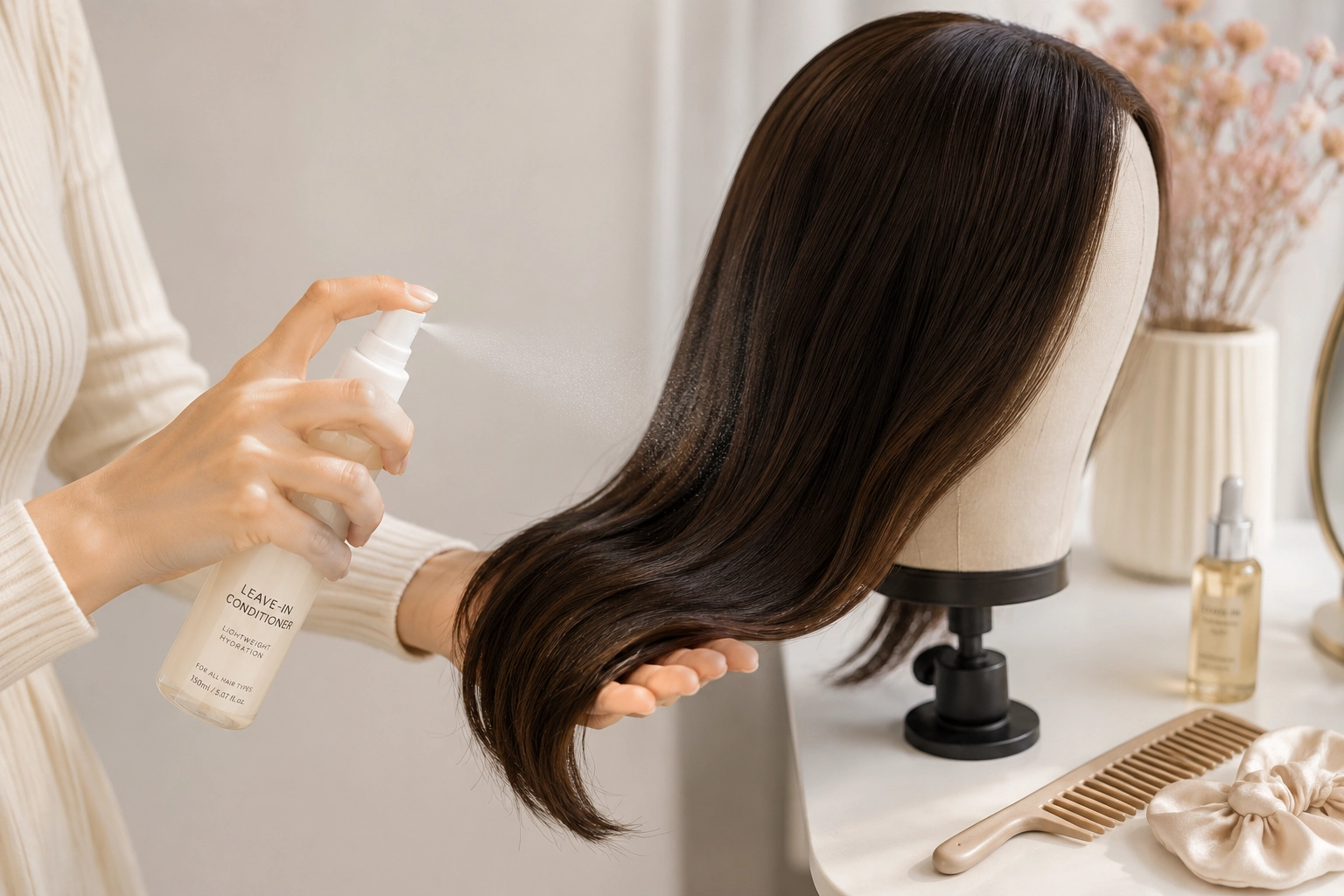
The golden rule: Apply leave-in conditioner and hair oil only from the mid-lengths to the ends. Keep products away from the lace, roots and hand-tied knots, as buildup around the knots may contribute to loosening and shedding over time.
Choose a lightweight leave-in conditioning spray rather than a heavy cream.
Mist the hair lightly from a distance, then smooth the product through with your fingers.
For very dry ends, warm one or two drops of a light, clear hair oil between your palms and gently press it into the tips.
Allow the hair to absorb the product before deciding whether it needs more.
3. Reduce Static and Winter Frizz
Static commonly appears when dry hair rubs against synthetic clothing, scarves or coats. The result may be flyaways, hair clinging to the face or strands that seem to stand away from the rest of the style.
A few gentle changes can help reduce static without coating or damaging the hair:
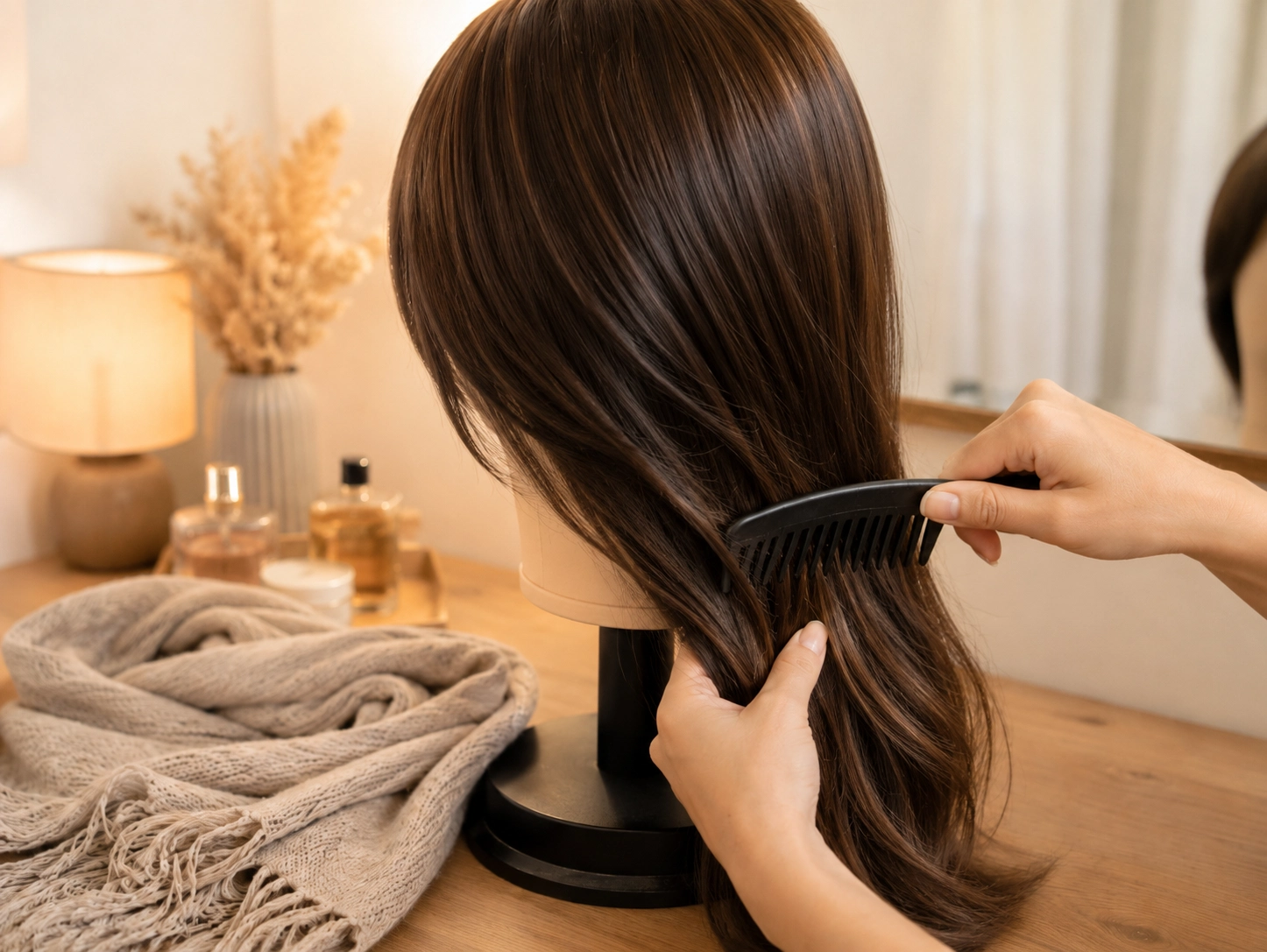
Avoid plastic combs: Use a smooth wide-tooth comb, wooden comb or wig-friendly brush to reduce friction.
Add a touch of moisture before brushing: Lightly mist the mid-lengths and ends with water or leave-in conditioner before detangling.
Work from the ends upward: Hold the hair above the section you are brushing to avoid pulling on the cap or knots.
Do not use clothing anti-static sprays: Products designed for fabric may contain ingredients that are too harsh for processed human hair.
4. Protect the Nape from Scarves, Coats and Knits
The nape is often the first area to tangle during winter. Hair at the back of the neck repeatedly rubs against high collars, wool coats, hoodies and chunky scarves throughout the day.
Coarse knits and rough wool fabrics create constant friction against the strands. To protect the nape area, try these simple styling and care adjustments:
Choose smoother fabrics: Silk, satin and tightly woven materials generally create less friction than coarse wool.
Brush before going outside: Make sure the nape is smooth and free of small knots before putting on a scarf or coat.
Move longer hair forward: Wearing the hair over your shoulders can prevent it from becoming trapped between your back and a textured coat.
Use a loose low style: A relaxed low ponytail or claw clip can help protect longer pieces during windy weather.
Check the nape when you return home: Separate small tangles with your fingers before gently using a wide-tooth comb.
5. Use Heat Carefully During Winter
Cooler weather often leads to more frequent blow-drying. Although many premium human hair wigs can be heat styled, repeated high temperatures may make already-dry winter hair feel even more fragile.
Apply a heat protectant suitable for human hair before using heated tools.
Use the lowest effective temperature rather than automatically selecting a high setting.
Whenever possible, allow the wig to air-dry on a stand until it is mostly dry before finishing with gentle heat.
Keep concentrated heat away from the lace, cap base and hand-tied knots.
Avoid repeatedly passing a straightener or curling iron over the same section.
6. Never Store a Damp Wig
During cooler weather, reduced airflow and lower temperatures may mean that the cap takes longer to dry than the visible hair. The strands may feel dry while moisture remains inside the hand-tied base, lace or wefted areas.
Storing a damp hair wig in a box, wardrobe or enclosed bag may lead to odour, tangling and unnecessary stress on the cap construction. Always allow your piece to dry completely on a breathable stand before putting it away.
Before storing: Check the crown, nape, ear tabs and inside of the cap. These areas often retain moisture longer than the ends.
7. Your Simple Three-Minute Winter Routine
A consistent human hair wig care routine is usually more effective than applying a large amount of product only after the hair becomes very dry. A few minutes of gentle care after each wear can prevent many common winter problems.
Every Evening After Wear
Gently comb the ends and nape with a wide-tooth comb.
Check for small tangles caused by scarves or coat collars.
Place the piece on a breathable wig stand overnight.
Keep it away from direct heaters and radiators.
Weekly or As Needed
Lightly mist the mid-lengths and ends with leave-in conditioner.
Apply one small drop of hair oil to dry tips when necessary.
Clean combs and styling tools to remove product buildup.
Check the lace, cap and nape for any areas needing extra care.
Winter Human Hair Wig Care FAQ
Why is my human hair wig suddenly frizzy in winter?
Cold outdoor air, indoor heating and friction from winter clothing can all reduce moisture in the hair. Because a wig does not receive natural oils from the scalp, the strands may become dry more quickly. A small amount of lightweight leave-in conditioner can help restore softness without making the hair heavy.
How do I stop my wig from tangling against a scarf?
Choose smooth scarf fabrics where possible and brush the nape before and after wearing winter clothing. For longer wigs, move the hair over your shoulders or secure it loosely so it is not trapped between your back and a coarse coat.
Can I use hair oil on a human hair wig?
Yes, but use it sparingly. Start with one or two drops of a lightweight, clear hair oil and apply it only to the lower third of the hair. Avoid the roots, lace and knots.
How often should I wash a human hair wig in winter?
There is no single schedule that suits every wearer. Washing frequency depends on how often the wig is worn, how much styling product is used and whether it has been exposed to smoke, rain or perspiration. Avoid unnecessary washing, but do not allow heavy product buildup to remain on the hair.
Can I place my wig near a heater to help it dry faster?
It is better to let the wig dry in a well-ventilated area away from direct heat. Strong heat from a heater or radiator may dry out the hair, affect the cap and place unnecessary stress on lace or hand-tied areas.
Keep Your Hair Soft and Natural All Winter
Winter should be about warm coffee dates, cosy layers and feeling confident—not worrying about dry or tangled hair. Explore our premium human hair collection or speak with our team for personalised guidance on choosing and caring for your next piece.
15 years of experience in the wig industry
Extensive experience in human hair wigs, wig construction, fit, hair quality and styling. Dedicated to helping women find natural-looking hair that feels comfortable and truly suits them.
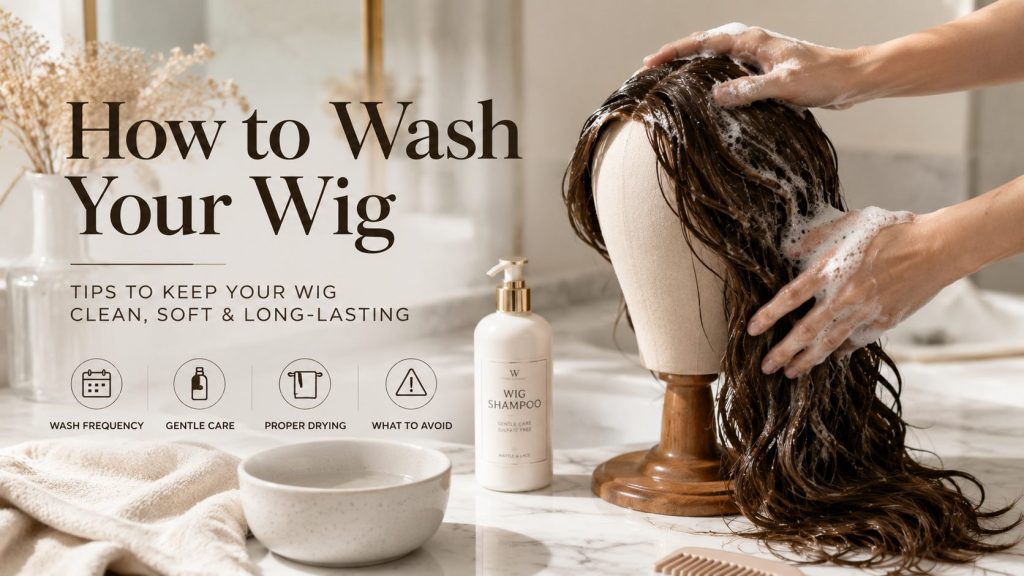
HOW TO WASH YOUR HUMAN HAIR WIG
Keep your wig soft, smooth and beautiful with the right care routine.A gentle step-by-step guide to cleaning and caring for vour human hair wig.
WHAT YOU’LL NEED
...
Discover how to choose the right hair topper for thinning hair, from base size and secure attachment to natural hairlines, colour matching and everyday care.
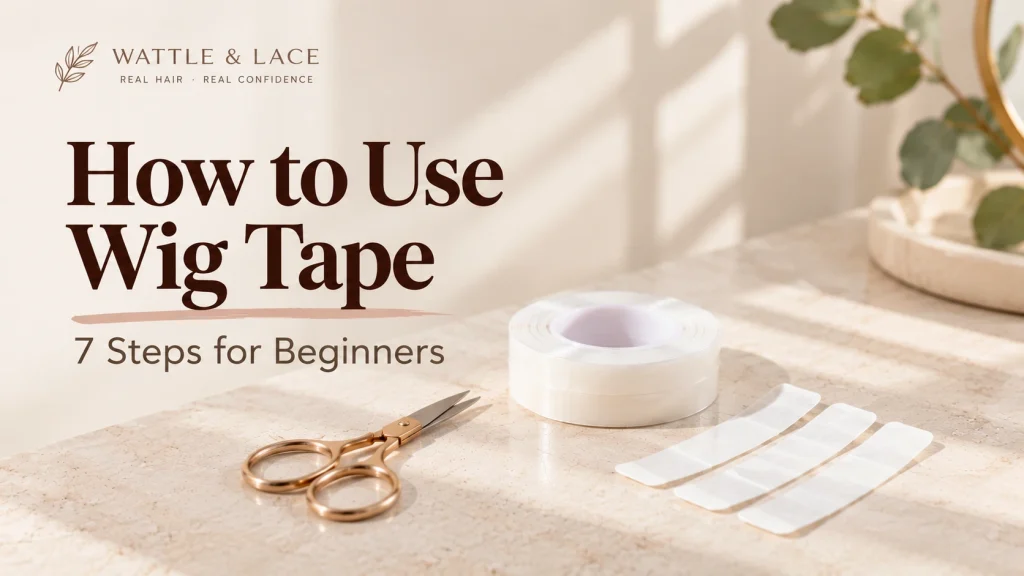
Using wig tape for the first time can feel fiddly. The strips are small, the lace needs to sit in exactly the right place, and once the tape touches your skin, repositioning can be difficult.
...
European Remy human hair is human hair described as originating from Europe, with the strands arranged so their cuticles face the same direction. The term combines two distinct descriptions: European refers to the stated...
What Is a Human Hair Wig?
Image source:European Human Hair Wig-Teagan wig
A human hair wig is made from real human hair, giving it the natural movement, texture and light reflection...
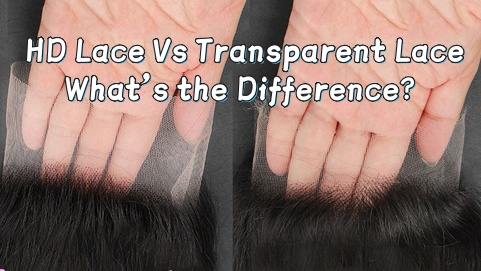
If you're shopping for a womens wig, you've probably seen HD lace and transparent lace listed as two different options. They can look almost identical in a product photo, which makes the choice a little confusing.
...
If you’ve been scrolling through dozens of tabs trying to figure out where to buy a decent piece of alternative hair, I get it. It’s overwhelming. Between dodgy overseas websites, glossy social media...
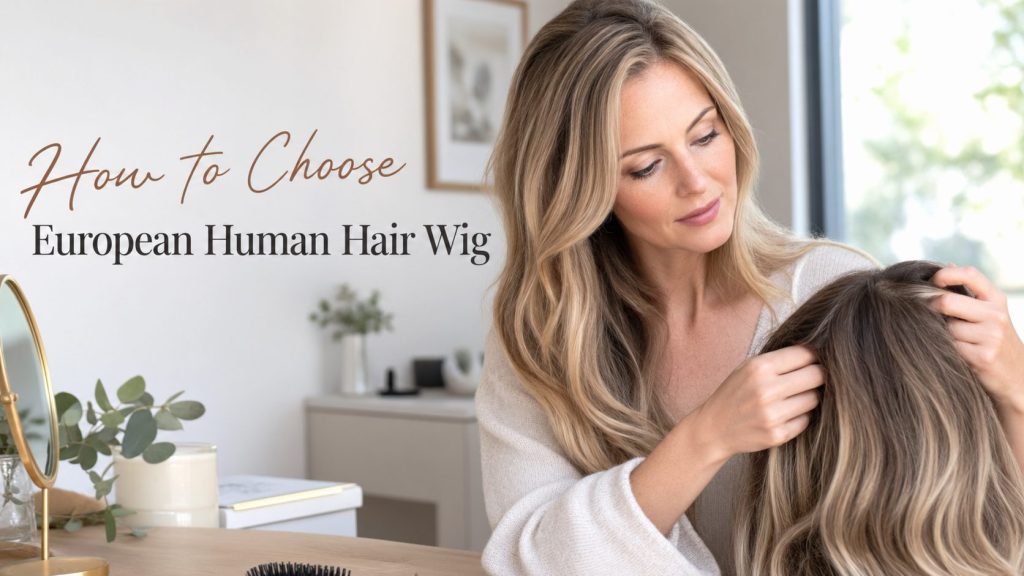
A beautiful wig should never look like you’re wearing a wig. The right colour, texture, density and fit can make all the difference to how natural and confident you feel. If you’re wondering how to choose a European huma...
WIG GUIDE
Choosing between a glueless wig and an lace glue for wigs comes down to more than how the wig stays on. Comfort, security, hairline appearance and your everyday routine all play a part.
If you prefer a wi...
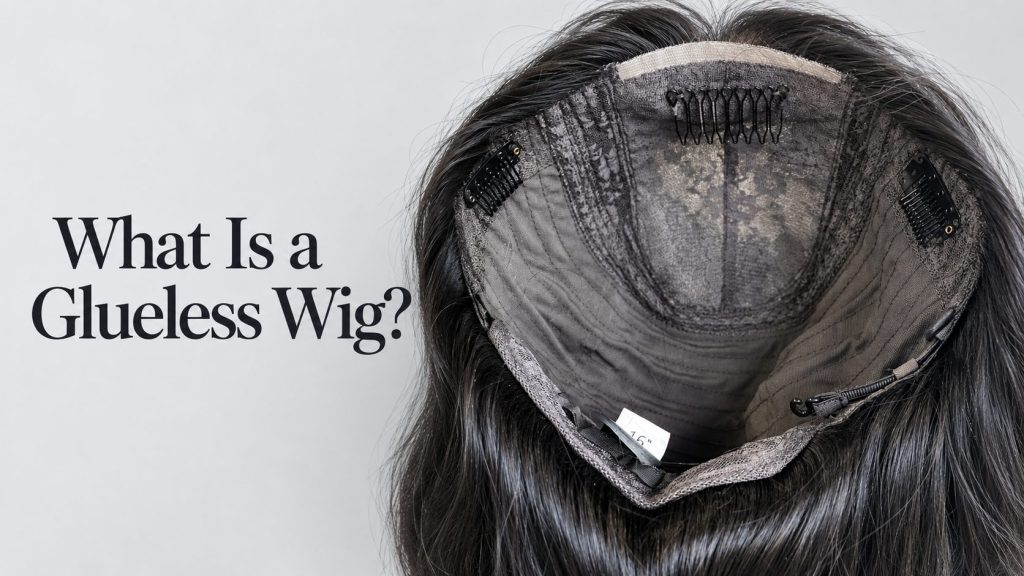
If you are new to wigs, you may have come across the term glueless wig and wondered how a wig can stay in place without glue. The answer is simpler than it sounds: a glueless wig is designed around the fit and constructi...
European human hair wigs are among the more premium options available in Australia, but there is no single price that applies to every wig. Length, hair quality, density, lace construction, cap design, colour and customi...