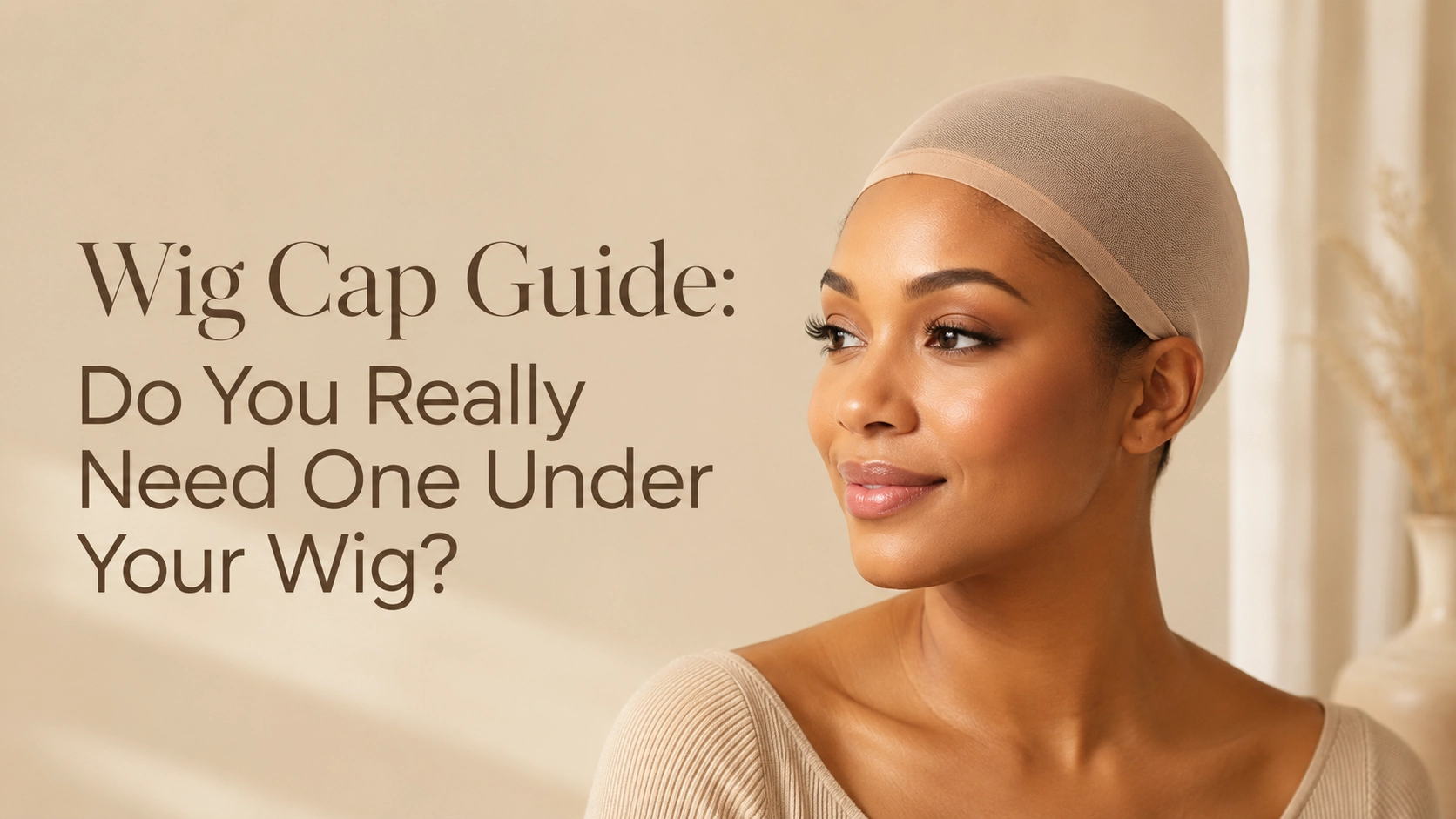
Wig Cap Guide: Do You Really Need One Under Your Wig?

0
Wig Cap Guide Do You Really Need One Under Your Wig
Wig Cap Guide

A Wig Cap Should Make Wearing a Wig Easier

A wig cap can keep natural hair in place, create a smoother base and reduce friction underneath a wig. However, not everyone needs one.

If your cap feels tight, bunches inside the wig or shows through the lace, the problem may be its size, material, colour or position.

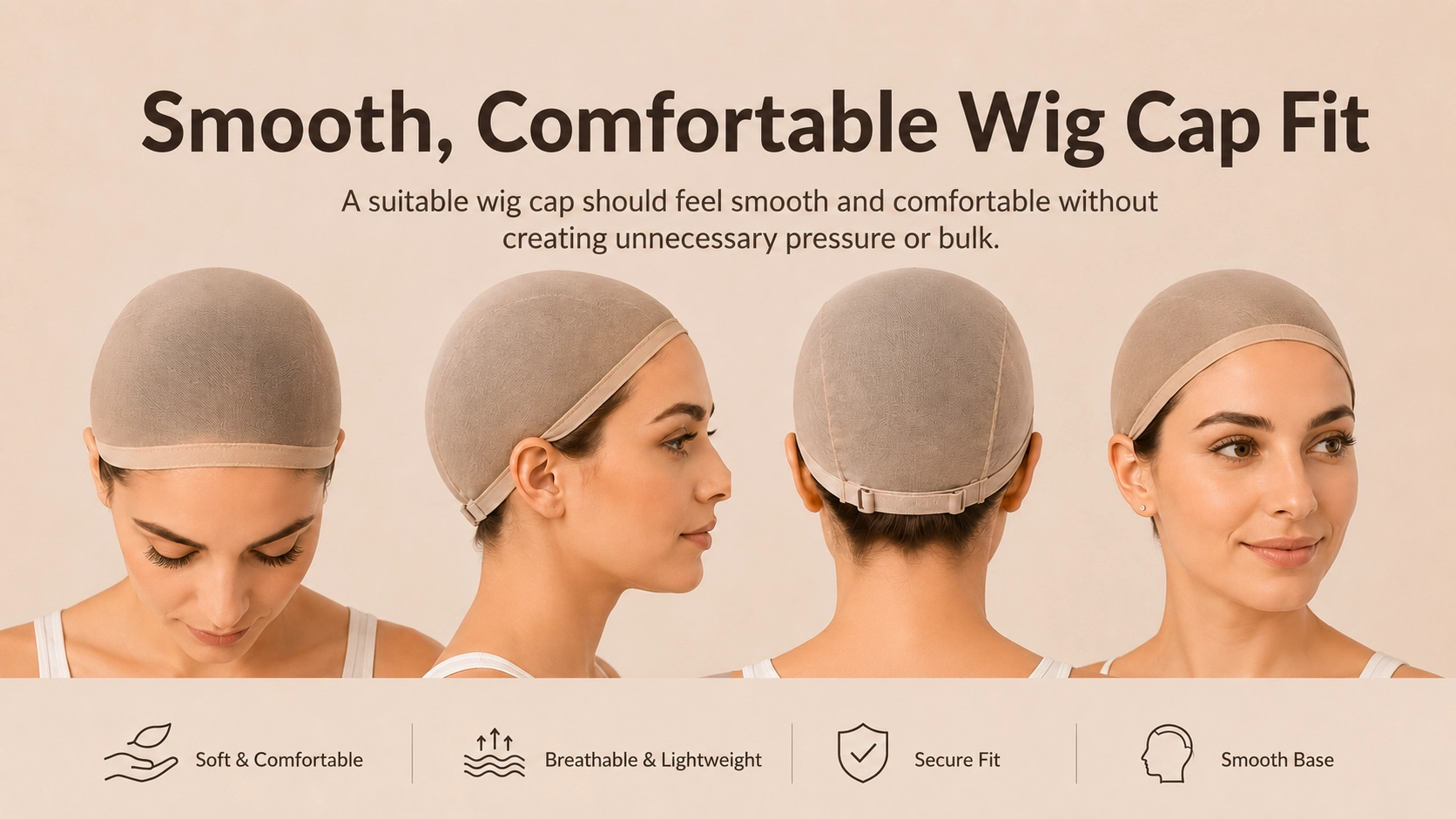
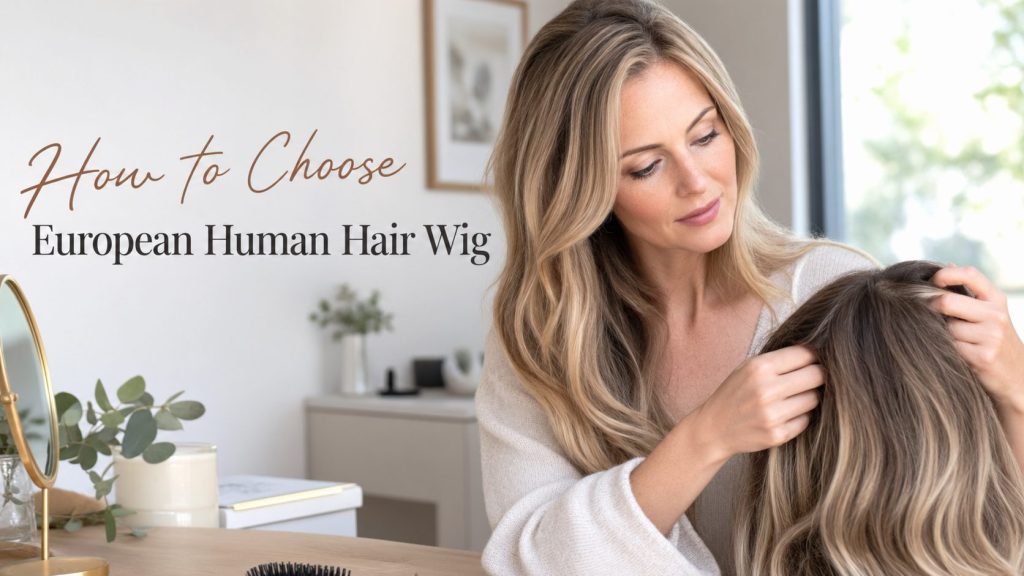
Lightweight wig cap being fitted underneath a wig
A suitable wig cap should feel smooth and comfortable without creating unnecessary pressure or bulk.
The Basics

What Is a Wig Cap, and Do You Need One?

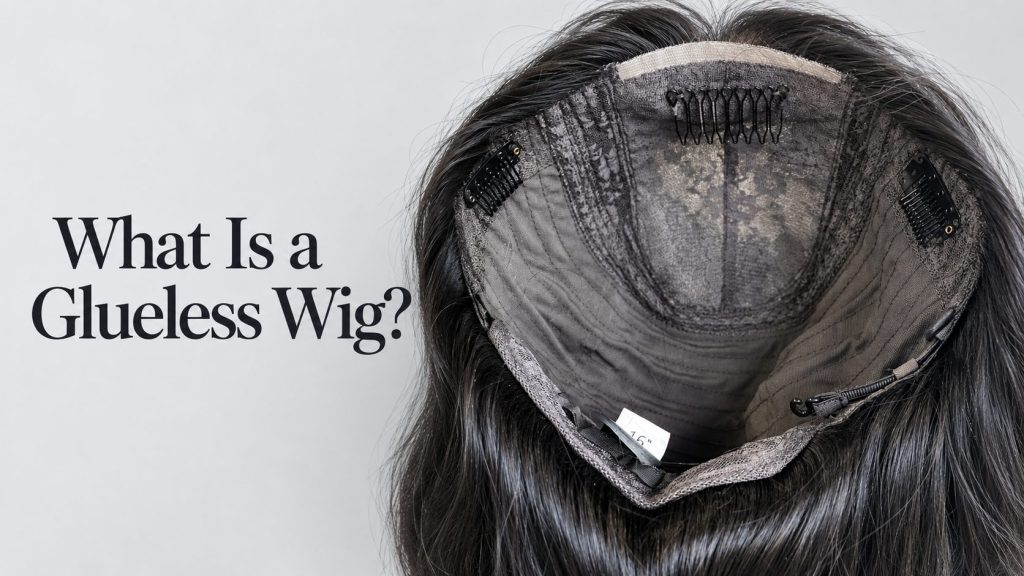
The term “wig cap” may refer to the separate cap worn underneath a wig or to the built-in construction inside the wig itself.

Under-Wig Cap

A Separate Cap Worn Under the Wig

This thin layer sits over your natural hair or scalp. It can contain loose hair, create a flatter base and reduce friction.

Built-In Cap

The Structure Inside the Wig

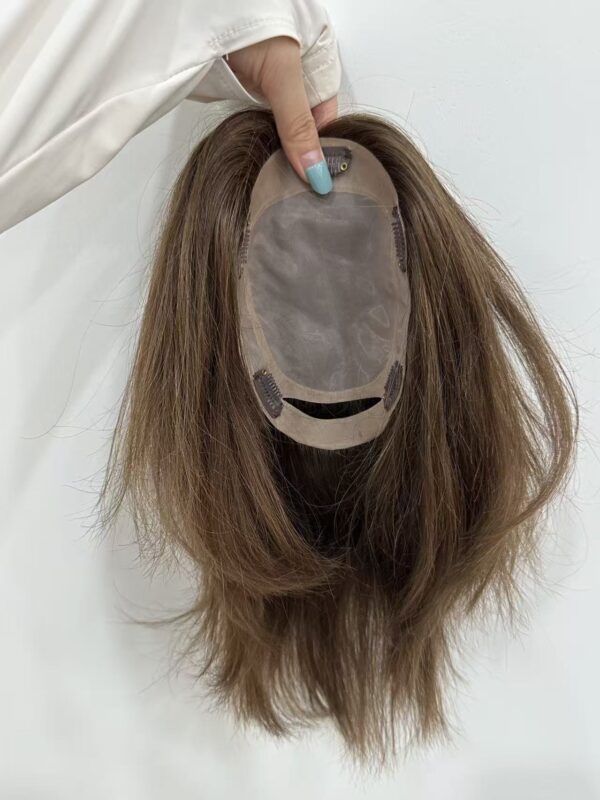
This may include lace, wefts, monofilament sections and adjustable straps. If the inside gathers when tightened, the issue may be this built-in cap rather than the separate cap underneath.

A Wig Cap Is Optional

It may help if you have long or thick hair, loose hairs around the edges or want a softer layer against the scalp. You may prefer not to wear one if your wig already fits securely or an extra layer makes you feel too warm.

Materials and Comfort

The Main Types of Wig Caps

The best wig cap depends on how much natural hair you need to contain and how the material feels against your scalp.

Nylon Wig Cap

Thin nylon creates a smooth base with very little bulk. It may suit short or medium-length hair, although some people find it tight or less breathable.

Mesh Wig Cap

Open mesh allows more airflow and provides extra space for long or thick hair. It may not feel as smooth as a very thin nylon cap.

Soft Fabric Wig Cap

Bamboo-style or other soft fabrics can provide a gentle layer for little or no hair. They are usually softer but slightly thicker.

Wig Cap or Wig Grip?

A wig cap mainly contains natural hair and creates a smooth base. A wig grip mainly adds friction to reduce movement. Using both may add extra warmth and thickness.

Nylon mesh and soft fabric wig caps displayed side by side
Nylon, mesh and soft fabric caps offer different levels of smoothness, airflow and scalp comfort.
Fit and Adjustment

Why Does the Inside of My Wig Bunch Up When I Tighten It?

If the fabric gathers or folds when the adjustable straps are tightened, pulling them even tighter may make the problem worse.

Common Causes

  • The built-in cap is slightly too large
  • One strap is tighter than the other
  • Natural hair is gathered in one bulky area
  • The under-wig cap is loose or wrinkled

What to Do

  1. Loosen both adjustable straps
  2. Reposition the wig correctly
  3. Spread your natural hair evenly
  4. Tighten both sides by the same amount
Prepare the Hair Make sure your hair is dry, detangled and arranged as flat as possible.
Place the Wig Cap from Front to Back Pull it gently backwards without creating folds.
Tuck Away Loose Hair Check around the ears, sideburns and neckline.
Check the Back and Sides Smooth out any raised areas before putting on the wig.

A wig cap can create a smoother base, but it cannot correct a wig that is significantly too large. Over-tightening may create pressure and move the hairline out of position.

Under Lace and Parting Areas

How Can I Keep My Wig Cap from Showing?

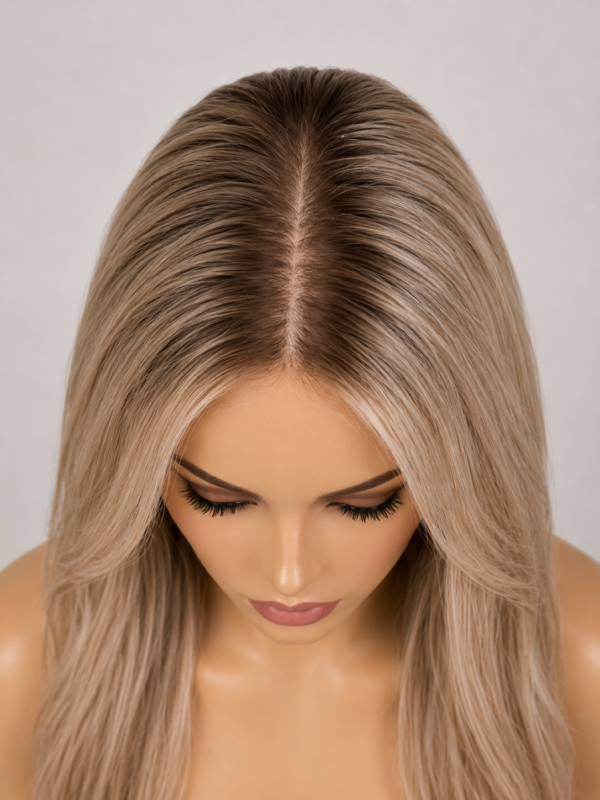
A wig cap may show through the lace when its colour, edge, seam or thickness is too noticeable.

1

Match the Colour

Select a thin shade close to your scalp or skin tone. A cap that is too dark may create a dark line beneath the parting.

2

Keep the Edge Behind the Lace

The front edge of the wig cap should remain behind the lace hairline rather than extending in front of it.

3

Move Seams Away from the Part

A thick seam under the visible parting may create a raised line. Reposition the cap so the smoothest area sits beneath the part.

Use the thinnest material that still feels comfortable. Correct colour and placement are usually more effective than applying heavy makeup or styling products to the lace.

Hair, Scalp and Climate

Choosing the Best Wig Cap for Your Needs

Long or Thick Hair

Divide the hair into flat sections or low braids. Avoid one large bun at the back. A flexible mesh cap may provide more room.

Short or Fine Hair

A thin nylon cap may be enough. Focus on keeping loose hairs around the ears and neckline contained without creating pressure.

Little or No Hair

A wig cap is not essential. Some people prefer a soft layer against the scalp, while others find direct contact with the wig more comfortable.

Sensitive Scalp or Warm Weather

Look for soft seams, moderate elasticity and lightweight, breathable material. In Australian weather, avoid extra layers unless they improve comfort or security.

Wash your wig cap after heavy sweating and allow it to dry completely before wearing it again. Replace it when it loses elasticity, tears or no longer lies flat.

Budget-Friendly Coverage

What Is the Most Affordable Way to Cover Hair Loss?

A wig cap does not cover thinning or hair loss by itself. It is an underlayer used beneath a wig or topper.

Hair Fibres

Hair fibres may temporarily disguise mild thinning, but they need existing hair to attach to and cannot cover completely bare areas.

Synthetic Topper

A ready-to-wear synthetic topper may suit localised thinning around the crown or part, provided enough healthy hair remains for secure attachment.

Synthetic Wig

For wider thinning or full coverage, an entry-level synthetic wig is generally less expensive than a human hair wig and may require less daily styling.

The cheapest purchase is not always the best long-term value. Consider the coverage, comfort, maintenance and frequency of wear before choosing.

Frequently Asked Questions

Common Questions About Wig Caps

Do I need a wig cap if I have no hair?

Not necessarily. Some people prefer a soft layer against the scalp, while others find direct contact with the wig more comfortable.

Can a wig cap stop my wig from slipping?

It may add some friction, but the wig’s own size and security features are more important. A wig cap cannot correct a wig that is significantly too large.

Why does my wig cap give me a headache?

The cap may be too small, too tight around the temples or positioned incorrectly. It should feel secure without causing painful pressure or strong marks.

What colour wig cap should I use under lace?

Choose a thin shade close to your scalp or skin tone so the parting and lace hairline do not show a strong colour contrast.

Is a wig grip better than a wig cap?

They have different purposes. A wig cap mainly contains hair and creates a smooth base. A wig grip mainly helps reduce movement.

Find a Comfortable Fit

The Right Wig Cap Should Make Wearing a Wig Easier

If your wig cap feels too hot, too tight or creates visible bulk, try a different size, colour or material. Comfort and a smooth result matter more than following one fixed rule.

Leave a Reply

Your email address will not be published. Required fields are marked *