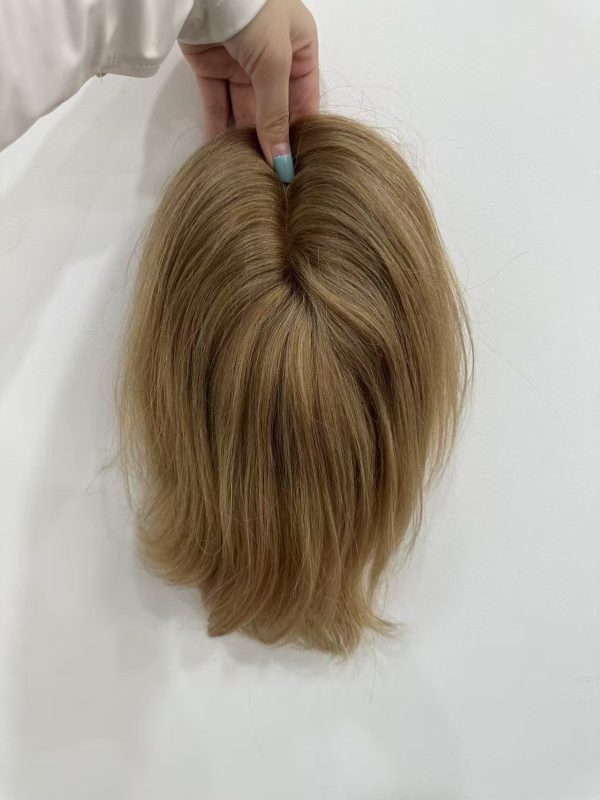
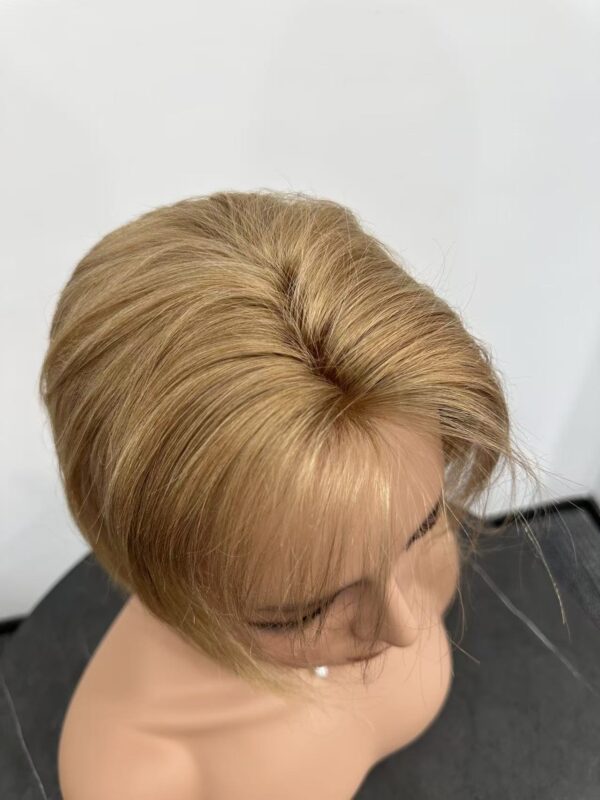
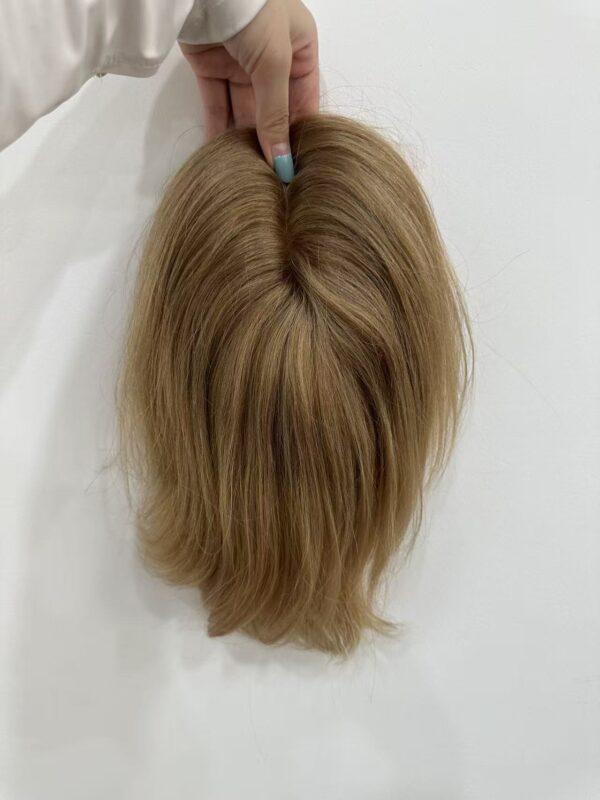
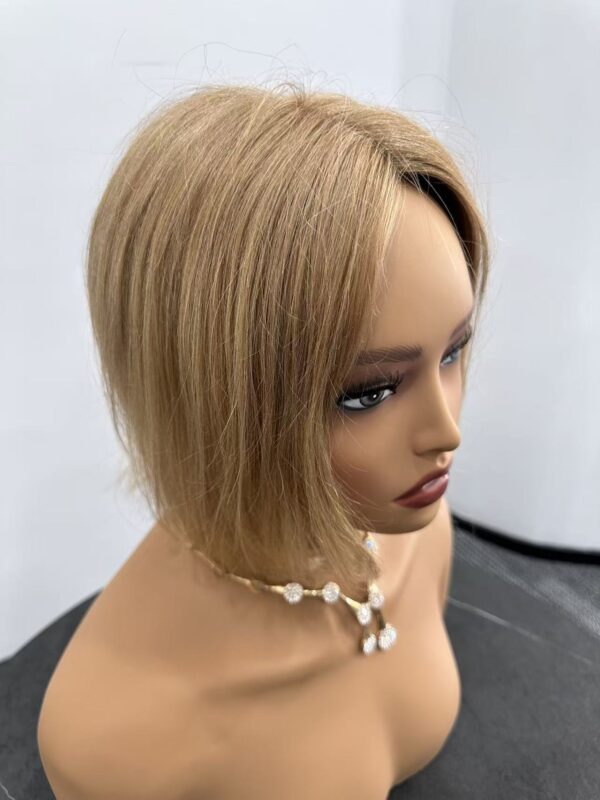
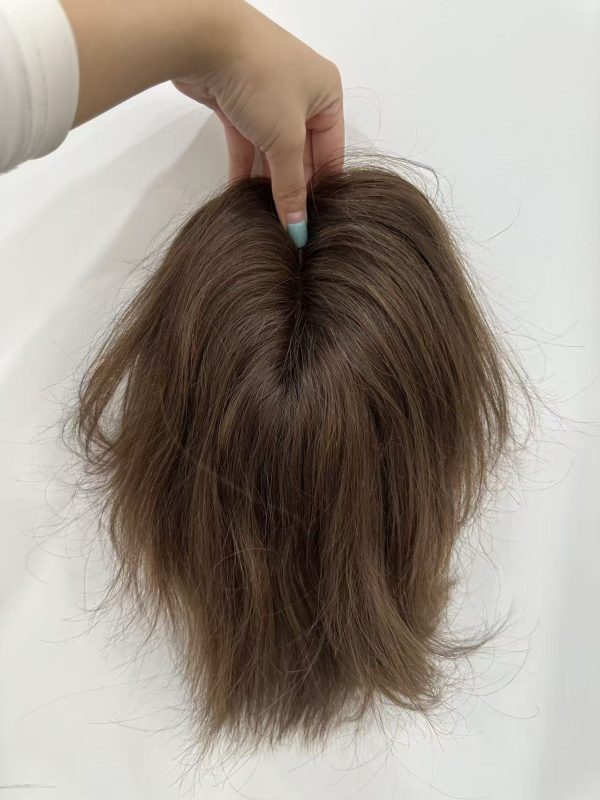
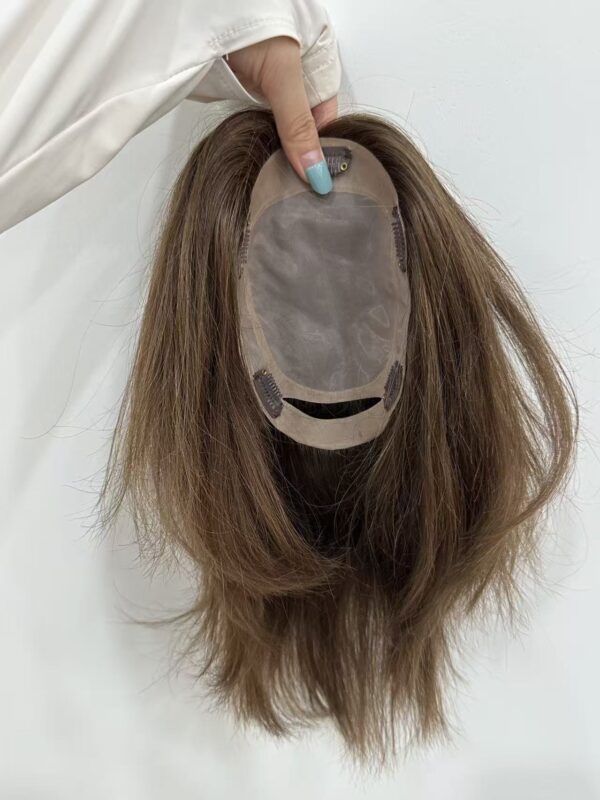
European human hair wigs are known for their fine texture, natural movement
and refined appearance. But what actually makes European hair different,
how does it compare with other human hair types, and what should you look
for before investing in a European human hair wig?
1. What Is European Human Hair?
European human hair refers to human hair sourced from Europe and selected
for use in premium hairpieces and wigs. One of its most recognisable
characteristics is its naturally fine fibre, which can create a soft,
lightweight and highly natural-looking result when carefully processed
and constructed into a wig.
A quality European Human Hair Wig is not defined by the
word "European" alone. The quality of the original hair, how it has been
processed, whether the cuticle direction has been preserved, the density,
lace and cap construction all influence the finished wig.
In simple terms: European human hair is valued because
its fine texture can closely resemble the appearance and movement of
naturally fine hair. The construction of the wig is just as important
as the hair itself.
European Hair, Virgin Hair and Remy Hair Are Not the Same Thing
These terms describe different aspects of hair quality. "European" mainly
describes the source or classification of the hair. "Virgin hair" refers
to hair that has not undergone chemical processing such as colouring or
perming, while "Remy hair" generally refers to hair collected and arranged
with the cuticles aligned in the same direction.
Therefore, a wig can be European human hair and also be virgin or Remy,
depending on how the hair was sourced and prepared.
European hair can have a naturally fine fibre that feels soft and
lightweight rather than coarse or overly heavy.
Natural Movement
Quality human hair moves naturally and can be styled in ways that
are difficult to replicate with synthetic fibres.
Refined Appearance
Fine strands can help create a softer overall appearance, especially
when the density and hairline are carefully designed.
Styling Flexibility
Human hair can generally be heat-styled and customised more freely
than synthetic hair, provided it is treated appropriately.
However, not every European human hair wig will look or feel the same.
Processing, hair selection, density, construction and finishing all
matter. This is why comparing the label alone is not enough when choosing
a premium wig.
3. European Human Hair vs Other Human Hair
European hair is not automatically "better" than every other human hair
type. Different hair sources have different characteristics, and the
right choice depends on the look, feel and styling result you want.
Hair Type
Typical Characteristics
Often Chosen For
European Human Hair
Fine texture, soft feel and natural movement.
Refined, lightweight and highly natural-looking wigs.
Slavic Hair
Often exceptionally fine and associated with premium hair
collections.
Luxury wigs where very fine texture is a priority.
Indian Human Hair
Versatile texture with a broad range of natural characteristics.
Flexible styling and a wide variety of wig designs.
Brazilian Human Hair
Often fuller or more substantial in feel.
Voluminous styles and fuller-looking results.
Asian Human Hair
Can have a stronger, straighter and thicker fibre depending on
the source and processing.
Certain straight, full and structured hairstyles.
If you are comparing specific hair types, it is better to look at the
characteristics that matter to you rather than choosing purely by
geographic label.
One of the biggest decisions when buying a wig is whether to choose
human hair or synthetic fibre. A European human hair wig is generally
chosen for realism, movement and styling flexibility, while synthetic
wigs can be attractive for their lower price and ready-to-wear styling.
Feature
European Human Hair
Synthetic Hair
Appearance
Natural movement and varied texture
Can have a more uniform appearance
Styling
Can generally be heat-styled
Usually limited unless heat-friendly
Movement
Moves more like natural hair
Maintains the fibre's designed shape
Longevity
Can last several years with appropriate care
Often has a shorter practical lifespan
Price
Higher initial investment
Generally more affordable
If your priority is a wig that behaves more like your own hair and can
be customised over time, human hair is usually the stronger choice.
If you want a lower-cost wig that requires minimal styling, synthetic→Human Hair vs Synthetic Wigs: Which Is Right for You?
hair may be more practical.
5. How to Choose a European Human Hair Wig
Choosing a European human hair wig is about more than selecting a colour
and length. The most natural result comes from matching the hair,
density, cap construction and hairline to your own features and lifestyle.
Start With These Six Factors
Hair quality:
consider the softness, processing and overall condition of the hair.
Length:
shorter lengths are often easier to manage, while longer lengths
create more styling possibilities.
Density:
choose a density that works with your natural appearance rather than
automatically selecting the thickest option.
→Cap size:
accurate head measurements are important for comfort and stability.
Lace and hairline:
the front hairline and lace construction have a major influence on
how realistic the wig appears.
Colour and texture:
consider your natural colouring, face shape and how much daily
styling you want to do.
More hair does not necessarily mean a more natural wig. Excessive
density can add unnecessary weight and may look less like naturally
growing hair. For a realistic result, density should work together with
the hairline, face shape and hairstyle.
Get the Cap Size Right
A well-fitted cap should feel secure without creating uncomfortable
pressure. Measure your head according to the manufacturer's instructions
and compare your measurements with the available size range.
If you are unsure between sizes, it is better to contact the team after
measuring your head so the most suitable size can be recommended.
Think About Your Lifestyle
A wig for everyday wear may need different features from one worn only
for special occasions. Think about how often you will wear it, whether
you exercise, how much styling you want to do and whether lightweight
construction is important to you.
6. How Much Does a European Human Hair Wig Cost?
European human hair wigs generally sit in the premium end of the wig
market. The price can vary considerably because "European human hair"
describes the hair type, not a single standard of construction.
Hair
The quality, fineness, processing and condition of the original hair
all affect the cost.
Construction
Lace, cap design, ventilation, density and handwork can significantly
change the final price.
Customisation
Colour, length, texture, cutting and other personalised options can
increase the overall investment.
This is why two wigs both marketed as "European human hair" can have very
different prices. When comparing products, look beyond the headline price
and check the hair quality, construction, density, lace, cap and level of
customisation included.
If you are also considering other human hair options, our guide
Are European Human Hair Wigs Worth It?
explains why genuine human hair wigs can command a higher price.
7. How to Tell If a European Human Hair Wig Is High Quality
A premium European human hair wig should look natural not only from a
distance, but also when you look closely at the hairline, density and
construction.
Look at the Hair
Fine, healthy-looking hair should feel soft rather than excessively
dry, brittle or coated. The ends should also be consistent with the
overall quality of the piece.
Look at the Hairline
A natural hairline usually depends on careful ventilation, appropriate
density and gradual transition rather than simply using very thin lace.
Construction Matters
The quality of a wig is the result of the whole system: hair, lace,
ventilation, density mapping, cap structure and finishing. Even beautiful
hair can look unnatural if the density is too heavy or the hairline is
poorly designed.
A Practical Quality Checklist
Does the hair look natural rather than overly uniform?
Is the density appropriate for the hairstyle?
Does the hairline transition gradually?
Is the lace fine and appropriately matched to the construction?
Does the cap feel comfortable and secure?
Is the seller transparent about the hair and construction?
Are customisation and return policies clearly explained?
How to Check Authenticity
There is no reliable five-second home test that can prove a wig is
European human hair. Touch, shine and movement can provide clues, but
they should not be treated as definitive proof of geographic origin.→How to Spot Real European Human Hair
A better approach is to consider the seller's product information,
sourcing transparency, construction details, consistency of quality,
customer support and return policy together.
For a premium purchase, the reputation and transparency of the supplier
matter just as much as the description on the product page.
Fine human hair requires thoughtful care. Because European hair can be
particularly fine, rough handling, excessive heat and aggressive
brushing can contribute to dryness and wear over time.
Wash Gently
Use products designed for human hair wigs and avoid unnecessarily harsh
cleansing. Work the shampoo gently through the hair rather than rubbing
or twisting it.
Condition the Lengths
Apply conditioner mainly through the mid-lengths and ends. Avoid excessive
product build-up around the cap and lace.
Reduce Heat
Human hair can generally be styled with heat, but frequent high heat can
still damage the fibre. Use appropriate heat protection and moderate
temperatures whenever possible.
Store It Properly
When the wig is not being worn, keep it in a clean, dry place where the
hair will not be crushed or tangled. Gentle storage can make a meaningful
difference to its long-term condition.
Important:
Longevity depends on wear frequency, styling, washing routine, heat
exposure, storage and the original quality of the wig. With appropriate
care, a quality human hair wig can remain wearable for several years,
but there is no universal lifespan that applies to every wig.
9. Who Are European Human Hair Wigs Best For?
European human hair wigs can be particularly appealing if your priority
is a natural appearance rather than simply the lowest possible price.
Women who want a highly natural-looking hairline.
Women with naturally fine hair who prefer a finer wig texture.
Anyone who wants realistic hair movement.
Those who want to heat-style or customise their wig.
People who wear a wig regularly and want a premium long-term option.
Anyone who values lightweight construction and comfortable wear.
European Human Hair Wigs for Women Over 40
For many women over 40, the goal is not to create an obviously "wiggy"
hairstyle. A softer hairline, moderate density and realistic movement
can often create a more natural and sophisticated result.
Rather than automatically choosing more volume or longer hair, consider
what actually complements your face shape, natural colouring and everyday
lifestyle.
10. Why Choose Wattle & Lace?
At Wattle & Lace, our approach to European human hair wigs is focused on
the complete wearing experience rather than the hair label alone.
Designed Around the Details That Make a Wig Feel Natural
Our team works across wig design, hair technology and product
development, with attention to the details that are easy to overlook:
hairline structure, density balance, cap comfort, breathability and
how the hair behaves when worn.
European Human Hair
Selected for its fine texture, softness and natural movement.
Natural Hairlines
Hairline and lace construction are considered together for a softer
transition into the forehead.
Lightweight Construction
We pay attention to cap structure, weight and breathability for
comfortable everyday wear.
Personalisation
Length, colour, texture, cutting and other details can be tailored
to create a piece that feels more personal.
Our philosophy is simple: not volume production, but precision
design. The goal is to create a wig that looks like it belongs
to you, rather than simply looking like a wig.
11. Ready to Choose Your European Human Hair Wig?
Start with the features that matter most to you: hair texture, length,
density, colour, cap size, lace construction and how you plan to wear
the wig.
If you are unsure which option suits you, our team can help you compare
different European human hair wigs and choose a piece based on your
preferences and measurements.
Find Your European Human Hair Wig
Explore our European human hair collection or speak with our team for
one-to-one guidance.
They can be worth the investment if you prioritise fine texture,
natural movement, styling flexibility and a premium overall finish.
The value depends on the quality of both the hair and the wig
construction.
Are European human hair wigs better than Brazilian hair wigs?
Neither is universally better. European hair is often preferred for
fine texture and a refined appearance, while Brazilian hair can be
attractive for fuller or more substantial styles.
What is the difference between European human hair and virgin hair?
European describes the hair source or classification, while virgin
describes hair that has not been chemically processed. A European wig
can also be made with virgin hair.
What is the difference between European hair and Remy hair?
European refers primarily to the source or classification of the
hair, while Remy refers to how the hair has been collected and
arranged, particularly the alignment of the cuticles.
Can European human hair wigs be styled?
Yes. Human hair wigs can generally be heat-styled and customised.
However, excessive heat can damage the hair, so appropriate heat
protection and careful styling are recommended.
How long does a European human hair wig last?
There is no single lifespan for every wig. Wear frequency, washing,
heat styling, storage and hair quality all affect longevity. A
well-maintained quality human hair wig can remain wearable for
several years.
Are European human hair wigs suitable for everyday wear?
Yes. A well-constructed European human hair wig can be suitable for
regular wear, particularly when the cap, density and hairline are
chosen appropriately for the wearer.
How do I choose the right density?
Choose density based on your natural appearance, hairstyle, face
shape and lifestyle. Higher density is not automatically more
natural.
How do I know if a European human hair wig is authentic?
There is no simple home test that can reliably prove geographic
origin. Consider the supplier's transparency, product information,
construction, quality consistency and customer support together.
Where can I buy European human hair wigs in Australia?
You can explore European human hair wigs from Wattle & Lace online,
with guidance available if you need help choosing your hair type,
cap size, density or style.
Your Hair Should Feel Like You
Explore the Wattle & Lace European Human Hair collection and find a
piece designed around natural movement, comfortable wear and a refined
finish.
15 years of experience in the wig industry
Extensive experience in human hair wigs, wig construction, fit, hair quality and styling. Dedicated to helping women find natural-looking hair that feels comfortable and truly suits them.
HOW TO WASH YOUR HUMAN HAIR WIG
Keep your wig soft, smooth and beautiful with the right care routine.A gentle step-by-step guide to cleaning and caring for vour human hair wig.
WHAT YOU’LL NEED
...
Discover how to choose the right hair topper for thinning hair, from base size and secure attachment to natural hairlines, colour matching and everyday care.
Using wig tape for the first time can feel fiddly. The strips are small, the lace needs to sit in exactly the right place, and once the tape touches your skin, repositioning can be difficult.
...
European Remy human hair is human hair described as originating from Europe, with the strands arranged so their cuticles face the same direction. The term combines two distinct descriptions: European refers to the stated...
What Is a Human Hair Wig?
Image source:European Human Hair Wig-Teagan wig
A human hair wig is made from real human hair, giving it the natural movement, texture and light reflection...
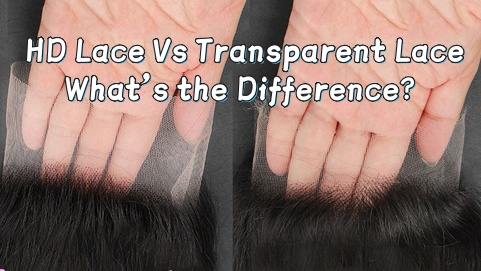
If you're shopping for a womens wig, you've probably seen HD lace and transparent lace listed as two different options. They can look almost identical in a product photo, which makes the choice a little confusing.
...
If you’ve been scrolling through dozens of tabs trying to figure out where to buy a decent piece of alternative hair, I get it. It’s overwhelming. Between dodgy overseas websites, glossy social media...
A beautiful wig should never look like you’re wearing a wig. The right colour, texture, density and fit can make all the difference to how natural and confident you feel. If you’re wondering how to choose a European huma...
WIG GUIDE
Choosing between a glueless wig and an lace glue for wigs comes down to more than how the wig stays on. Comfort, security, hairline appearance and your everyday routine all play a part.
If you prefer a wi...
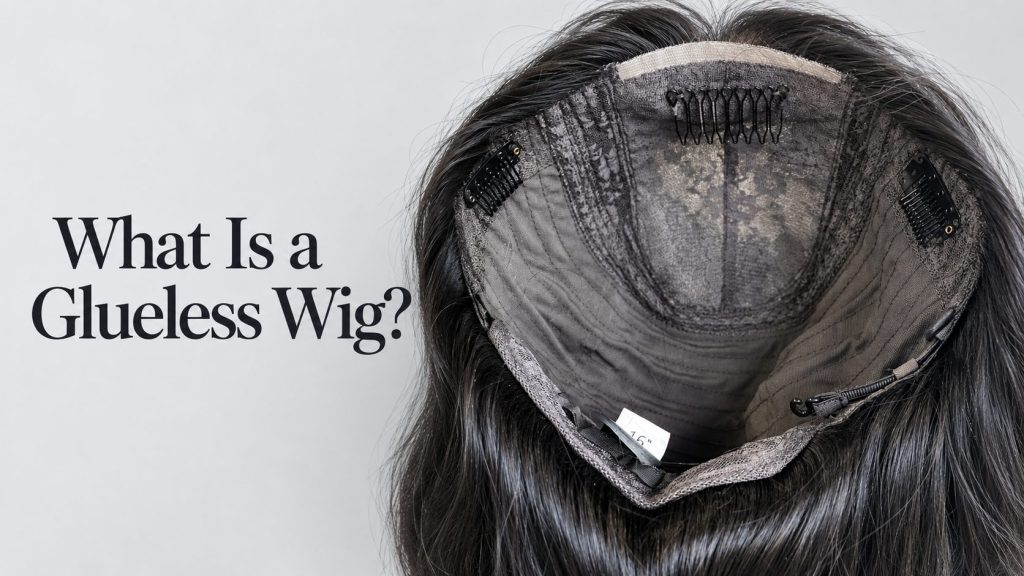
If you are new to wigs, you may have come across the term glueless wig and wondered how a wig can stay in place without glue. The answer is simpler than it sounds: a glueless wig is designed around the fit and constructi...
European human hair wigs are among the more premium options available in Australia, but there is no single price that applies to every wig. Length, hair quality, density, lace construction, cap design, colour and customi...